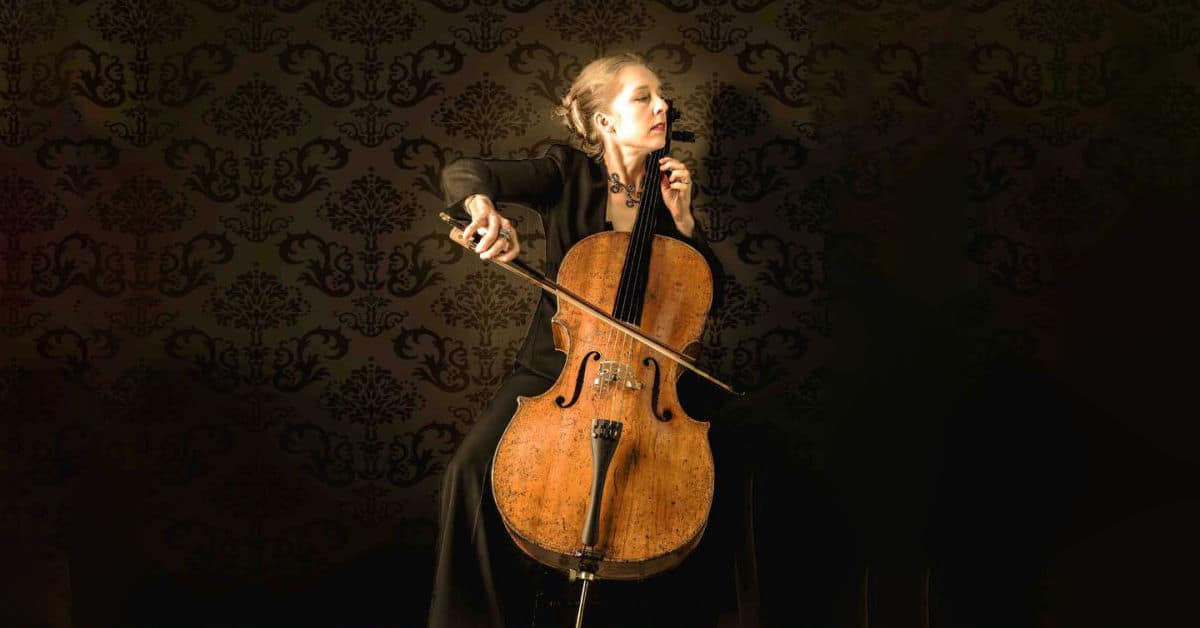
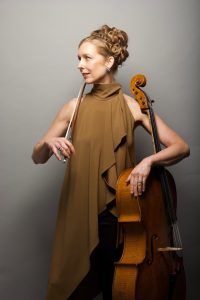
We at Divine Art were devastated to hear of the untimely passing of cellist Susanne Beer in December 2019 after a battle with melanoma cancer at the age of 52. Susi was a lovely person in every way – a superb cellist, a fine educator and a dedicated supporter of young musicians through her Cello Corner organisation. Formerly principal cello with the London Philharmonic Orchestra, she was also a superb soloist. In her memory the Cello Corner Foundation is being established to support young musicians well into the future through fine instrument loans, help with tuition and prizes at London 60min Concerts. The London Philharmonic Orchestra will act as an agent to collect funds towards the Foundation which will be transferred along with Gift Aid once the Foundation’s registration with the UK tax authorities has been completed. To make a donation please visit The Susanne Beer Cello Corner Foundation.
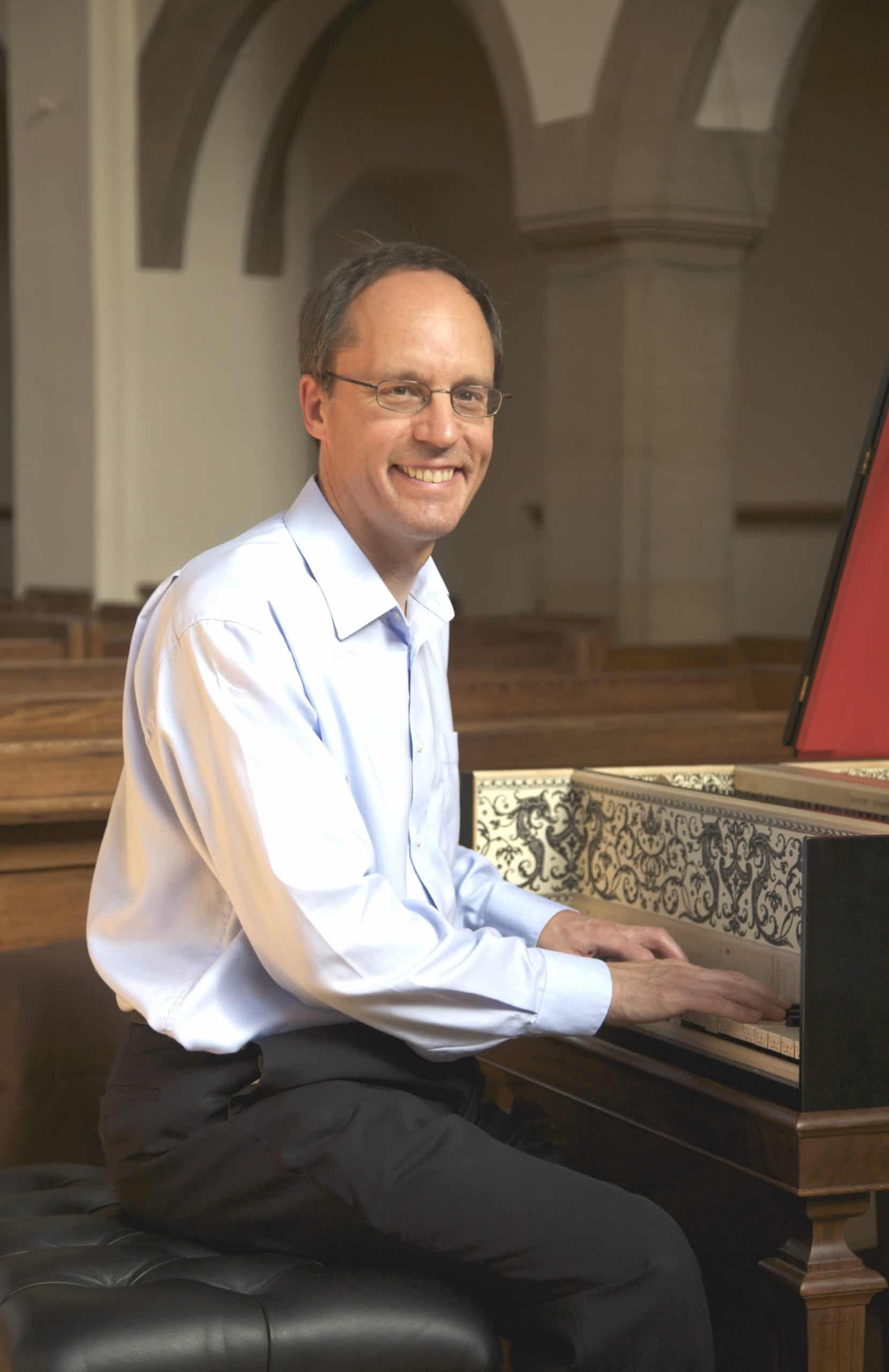
May 2020 will see the release of the new album by early music specialist Terence Charlston which contains the complete Fantasias and Canzonas by Johann Jacob Froberger (1616-1667) – this is the first ever recording of these works on clavichord. This recording was made in October 2019 at the Royal College of Music studios in London with engineer Anna Heath.
The new recording follows the highly praised first instalment of the complete Harpsichord Suites by Froberger (performed by Gilbert Rowland) on Divine Art’s sister label Athene – volume 2 to be recorded in July 2020. Froberger’s writing in the Suites demonstrates the foundation of the classic baroque dance suite and his individual keyboard works are no less full of interest and originality.
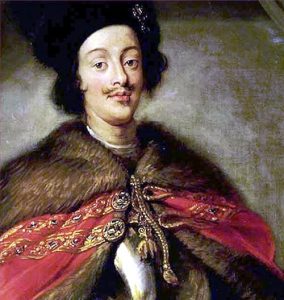
Froberger was a pioneer in the early baroque and a great influence on many of the great composers from Louis Couperin to Bach, Handel and Scarlatti. His Fantasias and Canzonas are amongst his most beautifully crafted yet most neglected works. Twelve of them survive in a meticulously written autograph manuscript dated 19 September 1649. They are particularly well suited to the clavichord if just the right instrument is available. In 2018, Charlston discovered the clavichord featured in this recording, quite by chance, and realised it would be ideal for this repertoire.
The clavichord is a reconstruction of a surviving southern German instrument of the later seventeenth-century made by Andreas Hermert in 2009. It takes us close to how the instrument might have sounded originally and provides an excellent means through which to hear the counterpoint of the most important German Baroque keyboard composer of the seventeenth century. Its dynamic nuance and expressive range, lute-like qualities, distinct timbral changes across its compass, and clarity contrast strongly with the ubiquitous modern-day performance tradition on harpsichord and organ.
Terence Charlston is one of the UK’s most respected musicians in the early-music field. His broad career encompasses many complementary roles including solo and chamber musician, choral and orchestral director, and teacher and academic researcher. He was a member of the quartet London Baroque between 1995 and 2007 with whom he gave nearly 500 concerts worldwide and since 2009 he has been a core member of the ensemble Florilegium. His large repertoire spans the Middle Ages to the present day reflecting a passionate interest in keyboard music of all types and styles. As well as being an important advocate of keyboard music of the 17th and 18th centuries Charlston is also a sought-after and devoted teacher. He founded the Department of Historical Performance at the Royal Academy of Music, London in 1995 and is International Visiting Tutor in Harpsichord at the Royal Northern College of Music in Manchester . He joined the staff of the Royal College of Music, London in 2007 where he is Professor of Historical Keyboard Instruments, a personal Chair created for him in 2016.
Terence Charlston has appeared on over 80 recordings – this is his third since joining Divine Art, following ‘The Harmonious Thuringian’ (DDA 25122) and ‘Mersenne’s Clavichord’ (DDA 25134) both of which featured rare music but also unique instruments and which received glowing critical praise.
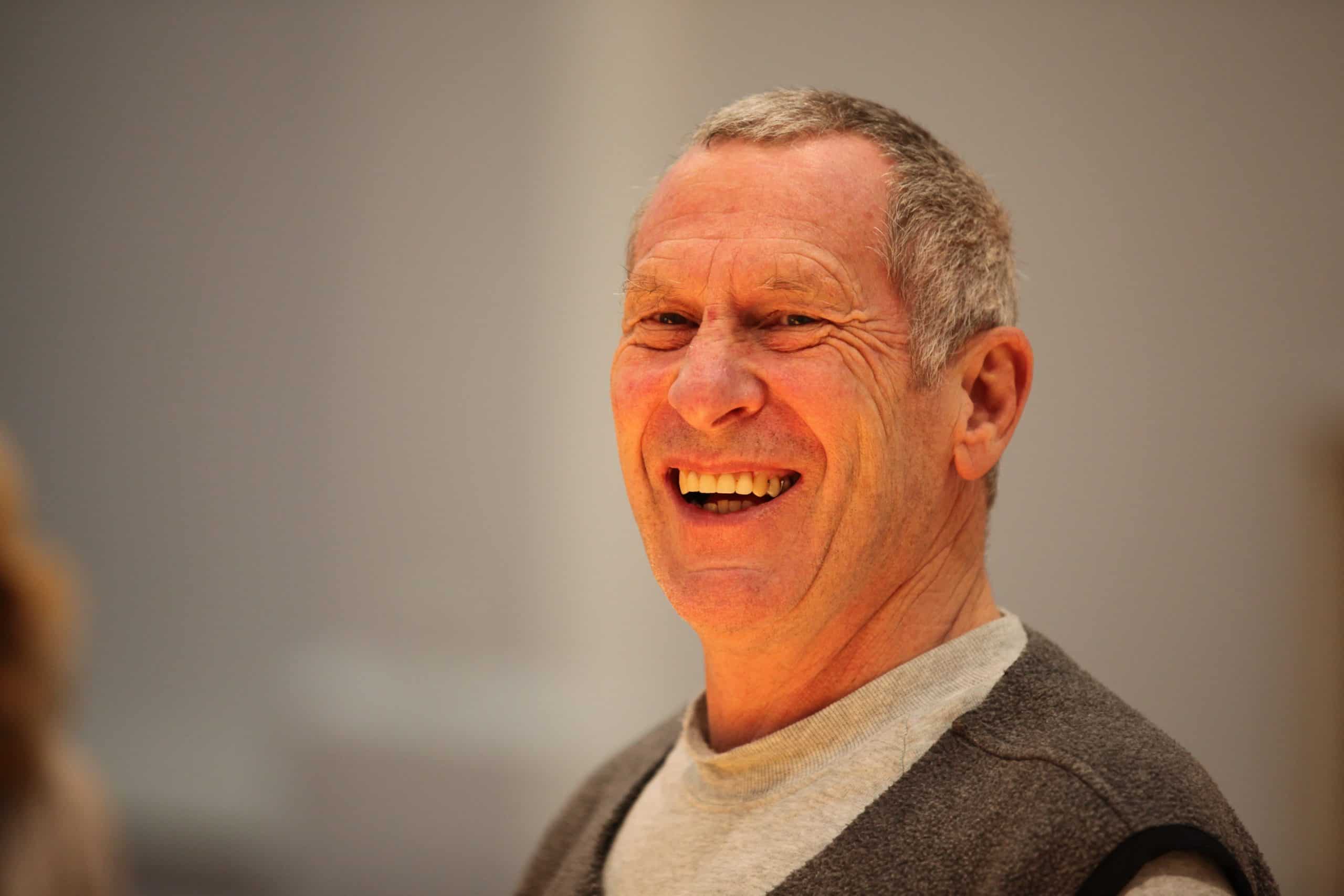
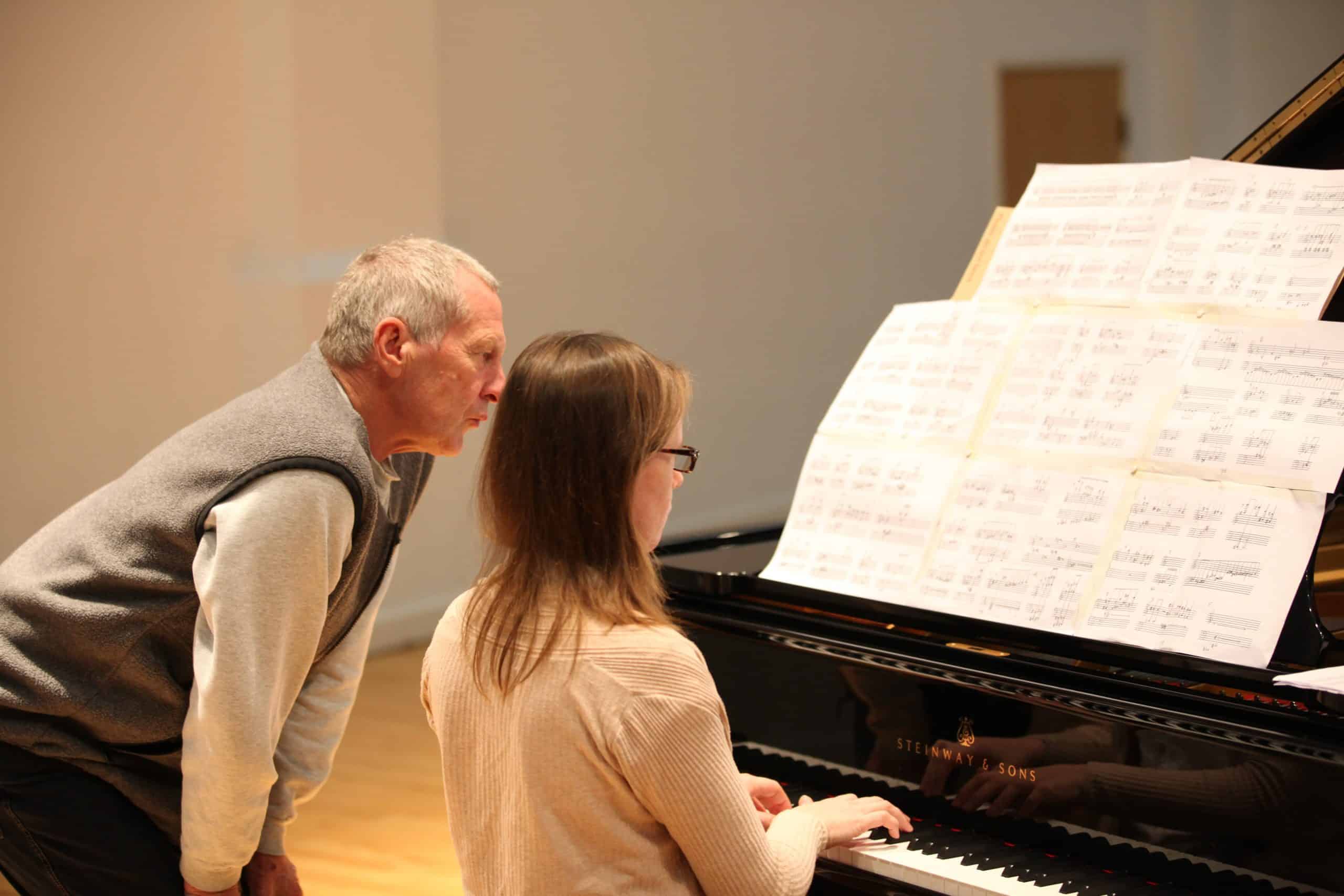
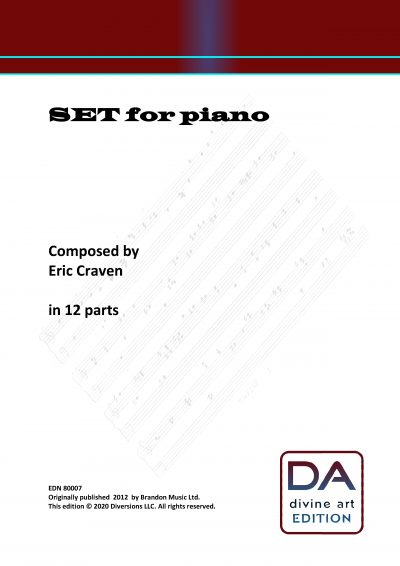
In 2020 Divine Art’s Métier label will release two volumes of ‘Pieces for Pianists’ by Manchester composer Eric Craven, performed by Mary Dullea. Volume 1 is likely to be issued in the early summer with Volume 2 following in the autumn. Each volume contains 25 Pieces, which were composed between 2016 and 2019.
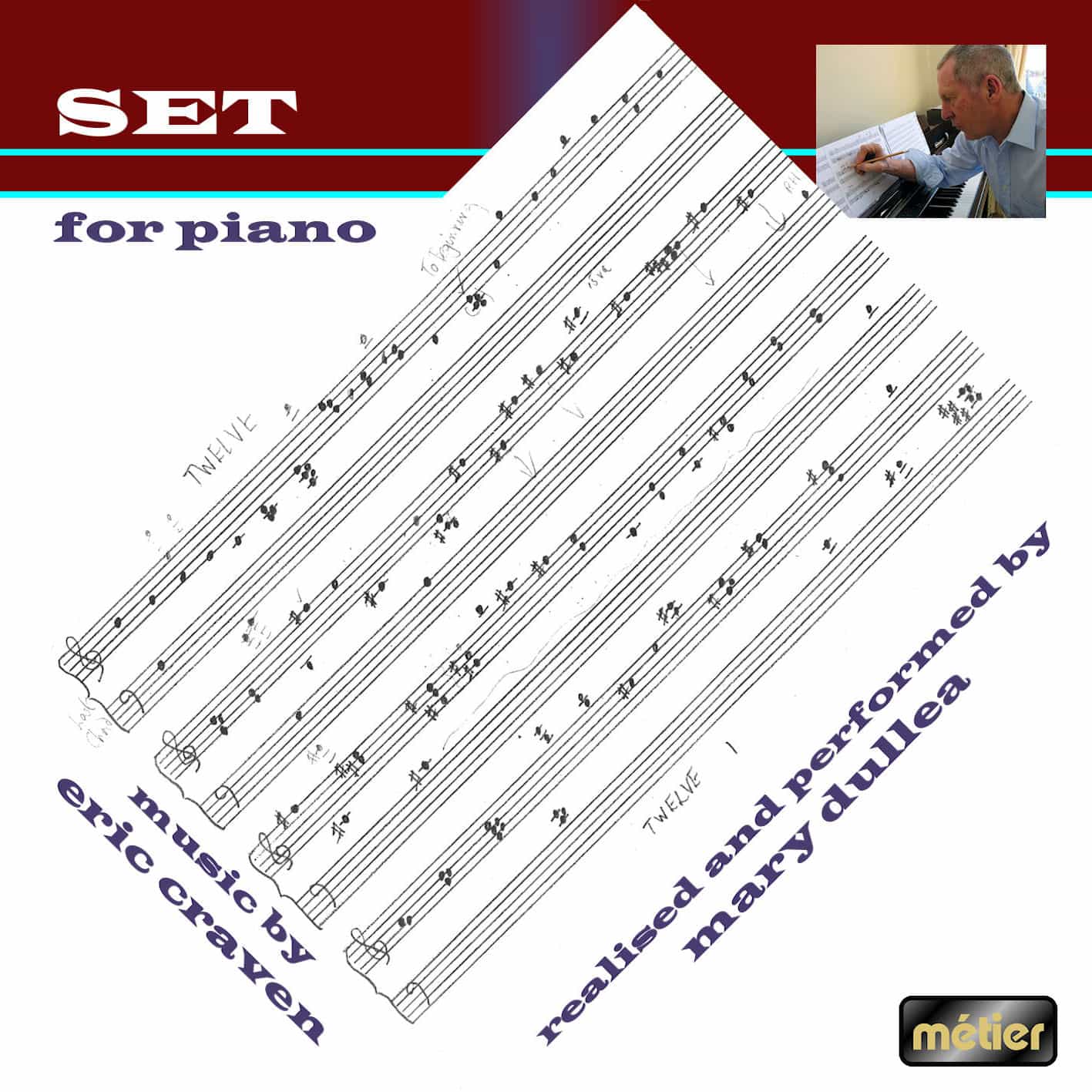
If Craven is to be defined by anything it will be his pioneering development of his Non-Prescriptive methods of composing. He has evolved new ways of notation which, to differing degrees, encourage the performer to become part of the compositional process. His contribution to the field of experimental music has been widely recognised. In the September 2015 issue of Gramophone, Philip Clark gives more than equal consideration to Craven in an article which discusses new ways and innovations by Wolff, Feldman and Finnissy.
Craven presents the two volumes of Pieces for Pianists in his Non-Prescriptive Low-order format which means that there are no instructions, no guidance à propos performance. The performer is free to decide upon the parameters of dynamics, tempo, phrasing, pedalling and the general articulation of the notes and, by doing so, determines the outcome of each performance. The pieces are all quite short, monothematic and tonal, teeming with reference. They present an astonishing kaleidoscope of styles and genre: echoes of Prokofiev to Poulenc, Bernstein to Bartók.
Pieces for Pianists is Craven’s fourth collaboration with the wonderfully talented pianist Mary Dullea, who will be recording both volumes in December at the Menuhin Hall in Cobham, Surrey, with Adaq Khan, now established as one of Britain’s most accomplished producer/engineers.
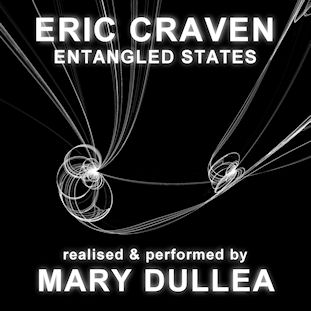
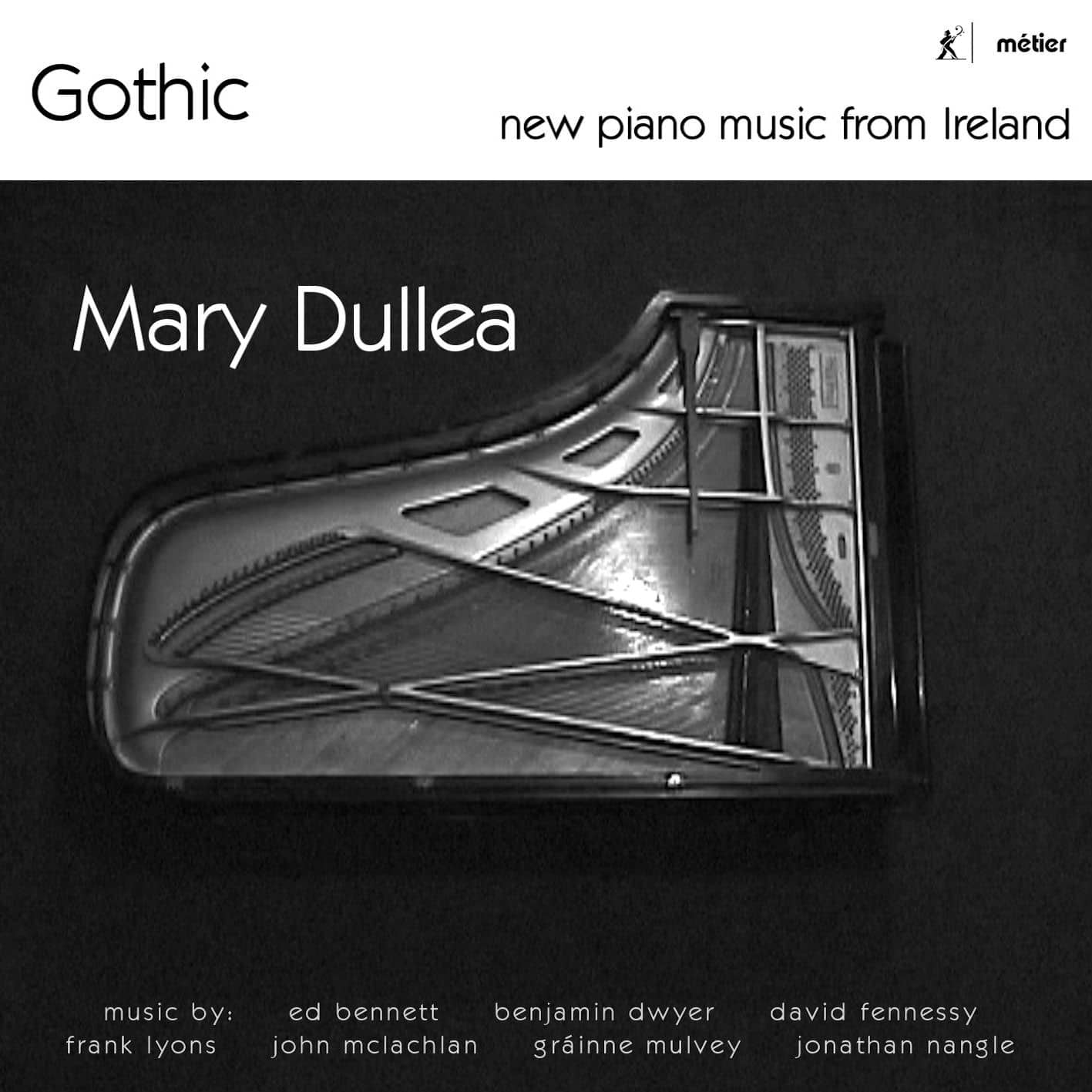
Previous albums featuring Eric Craven and Mary Dullea
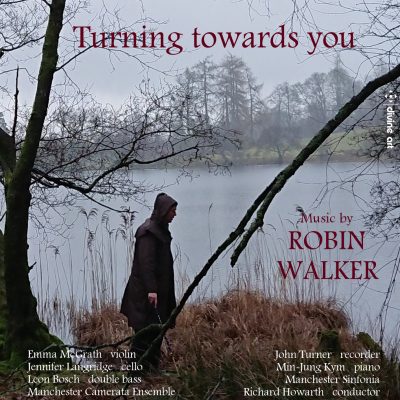
“I have recently begun to discover the music of Robin Walker, a York-born composer in his early sixties whose music invariably projects the tang and the loam of the northern English landscape. Turning Towards You is an absorbing miscellany of seven of his works, all of which blend terrific craftsmanship with profoundly beautiful sound. His Double Concerto, A Prayer and a Dance of Two Spirits for recorder, violin and strings is a real find. Walker is another independent spirit who has much to say, and who manages to do so in original and accessible terms.”
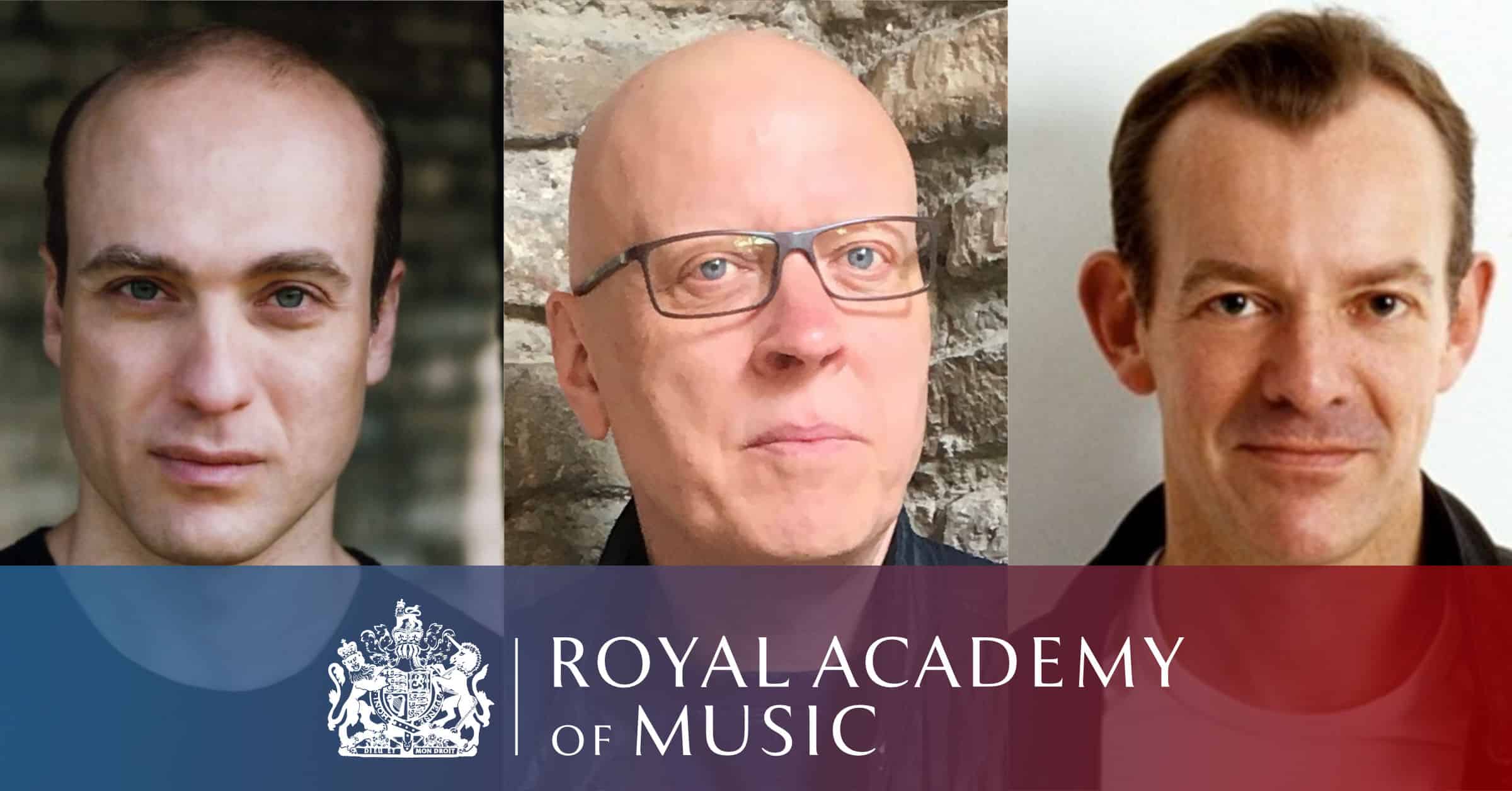
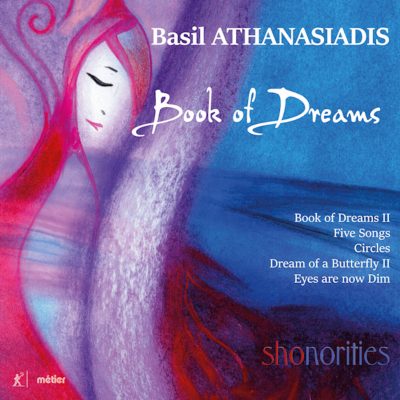
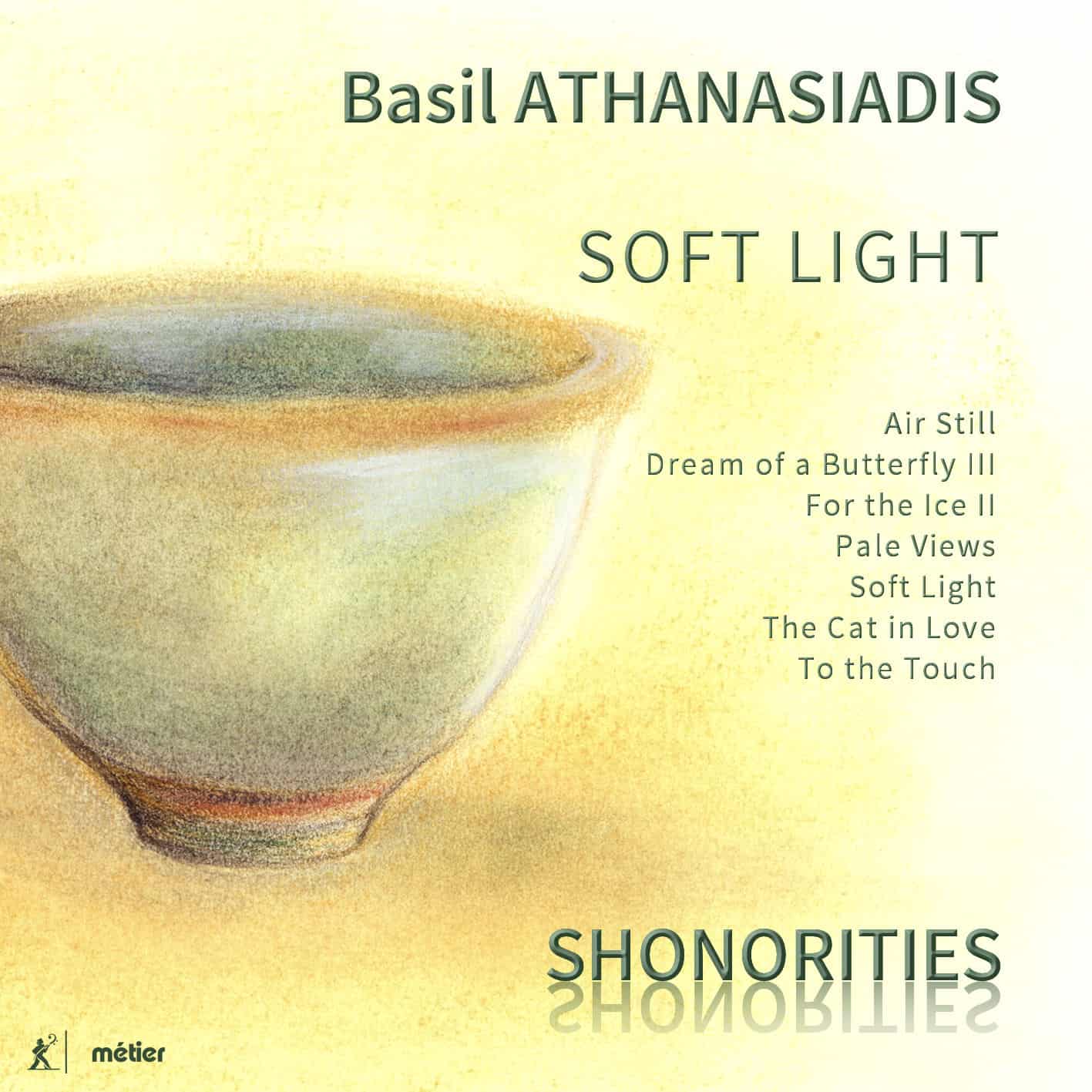
The Royal Academy of Music has announced their 2019 Honours List, and three Divine Artists have been recognized! Composer Basil Athanasiadis has been named as an Associate Member of the Royal Academy, composer Philip Cashian has been named as an Honorary Member of the Royal Academy, and pianist Andrew West has been named as a Fellow of the Royal Academy. Congratulations to all three of these artists on these prestigious honours. See their Divine Art releases below:
Liz Johnson is a British composer with a very special gift and distinctive style, definitely in the avant-garde mold yet not totally alien to ‘traditional-music’ lovers. ‘Intricate Web’ is not only the title of one of the quartets here (there are four numbered String Quartets and two other works for the quartet) but also accurately describes her compositional technique which is complex and detailed, requiring top class performers. It may also describe the way in which the pieces here have been assembled, splitting cello solos and vocal pieces between the quartets to create a web of fascinating sounds and textures.
The Fitzwilliam String Quartet is undoubtedly one of today’s most celebrated ensembles with a fine reputation in the world of new music. Cellist Heather Tuach plays solo in the breathtaking Cello Suite. Soprano Loré Lixenberg deals with the immense difficulty of the writing in the Jo Shapcott Settings and Ronald Woodley provides a magical performance on several clarinets. In all, a superb introduction to a major composer deserving wide recognition. Over 157 minutes of music!
While we are waiting for a number of exciting new projects to be confirmed, DO check out the reviews that our recordings receive from the music press – ‘out of this world’ says Music Notes on one recent release. Click ‘browse’ – ‘reviews’ in the top menu or visit via composer, artist or title to see all reviews for each recording.
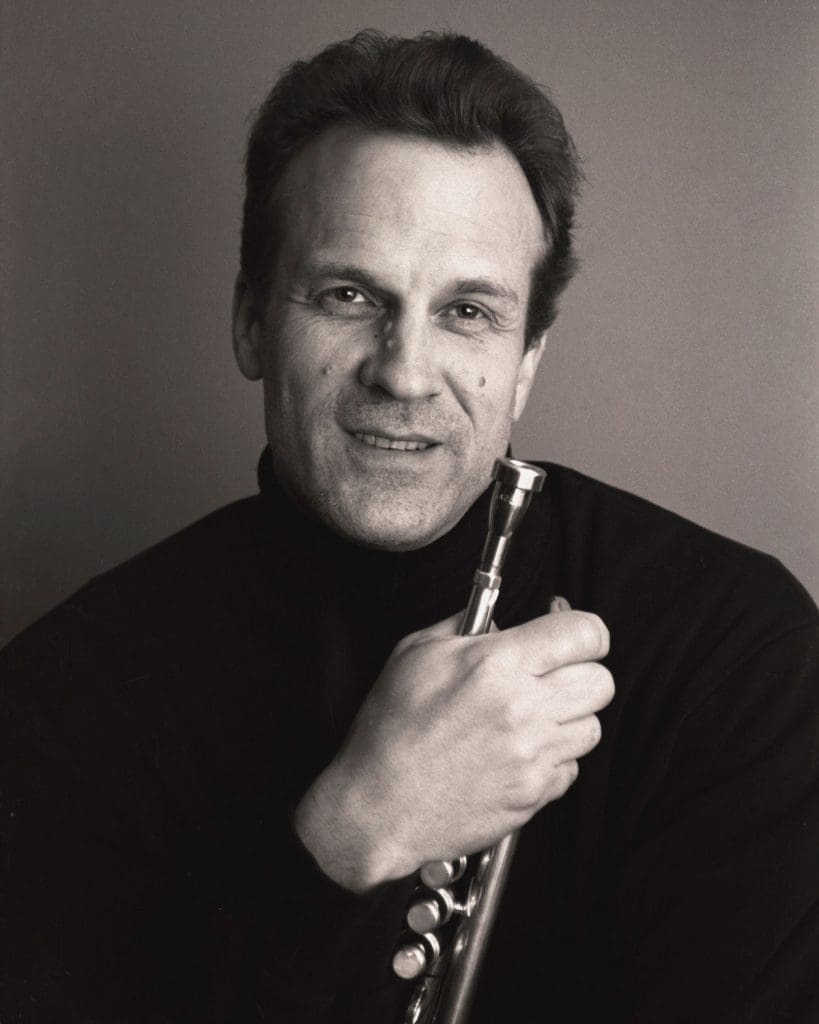
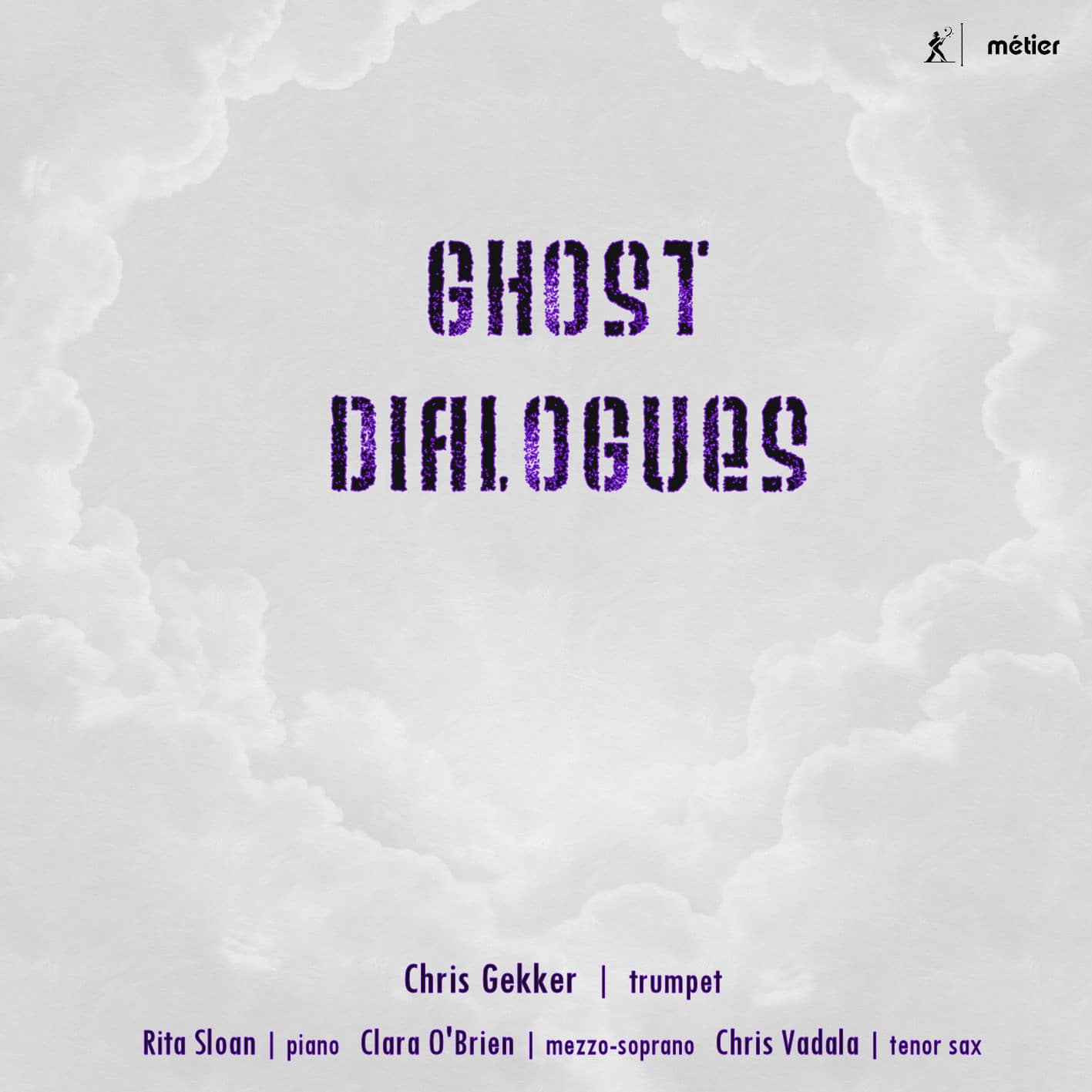
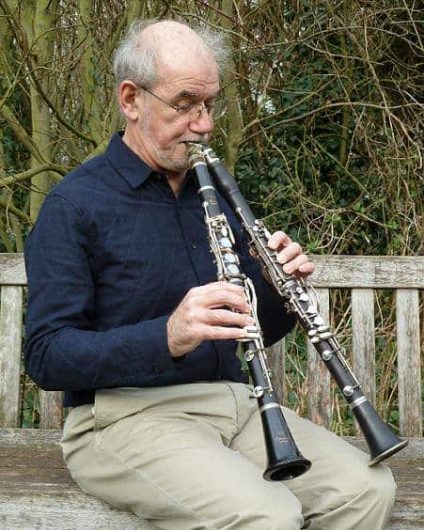
The American Prize’s Ernst Bacon Memorial Award for the Performance of American Music was announced today, and TWO Divine Art artists tied for 2nd Place for their performances released on Métier! Congratulations to both Chris Gekker for his award for his performances on Ghost Dialogues, and Ian Mitchell for his performances on Isn’t This a Time?: American Music for Clarinet! See the full announcement on The American Prize website.
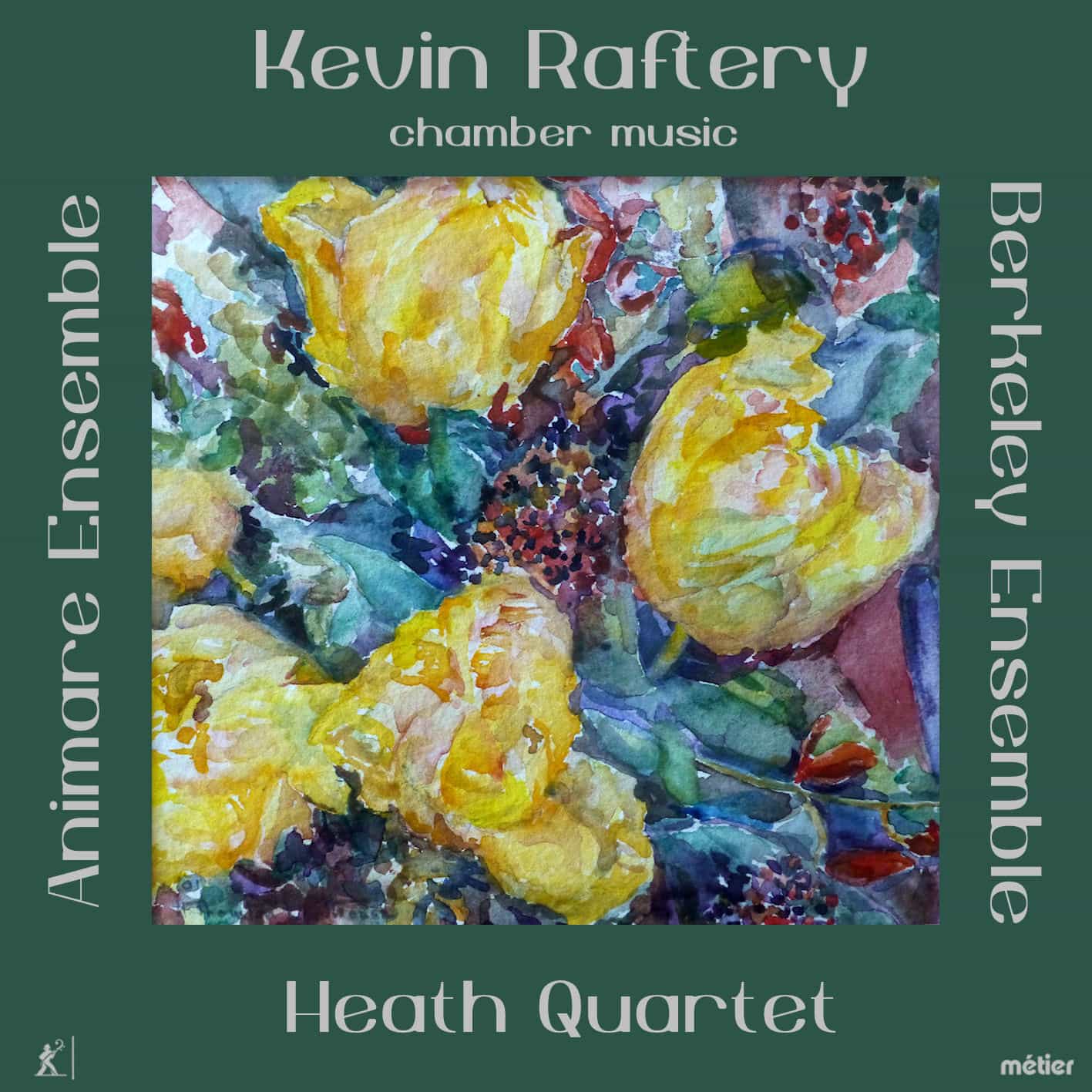
Divine Art’s leading new-music label, Métier, has announced the second album of works by British composer Kevin Raftery, which is being recorded over the next few months and is scheduled for release in Autumn of 2020. Raftery sees his albums as progeny, created after a long gestation process so has titled this new collection ‘Second Child’. While much of Raftery’s music is ‘serious’ he also has a fine knack for writing works of wit and humor.
Raftery’s Chamber Music(Métier MSV 28569, issued in may 2017) met with unanimous positive reviews. Second Child broadens the picture adding choral and piano works alongside chamber music.
String Quartet No. 2, subtitled “Serioso”, develops ideas from Beethoven’s intense opus 95 quartet. Atlantis Dances for mixed quintet also touches upon deep feelings in its central “Mourning Dance”, albeit framed by more jubilant dances – the whole suite being second child to the earlier work First Companion.
Between these we hear a thoughtfully crafted program. Cook From Frozen is a journey for piano. Choral works Dimitte nobis and Three English Poems frame a meditation for two muted violins, Musica Fermata.
Raftery is blessed by co-operations with performers of the highest level: the Marmen Quartet, the Berkeley Ensemble, Clare Hammond, and Polyphony led by Stephen Layton.
Kevin Raftery was born in St.Louis, Missouri, in 1951 and studied composition with Peter Racine Fricker at the University of California, Santa Barbara.
In 1989 he moved to London where he studied with Justin
Connolly and maintained a dual career as musician and project manager.
He sings contemporary music with the New London Chamber Choir, plays bassoon in several ensembles, and is Music Director of the 500-member Richmond Concert Society.
For journalists in the UK who would be interested in attending sessions (the composer/artists are eager to offer interview opportunities), the Marmen Quartet will be recording on 29 November this year, and Polyphony on June 25-26 next year. These are world-class performers and the composer believes anyone would be thrilled to see them in action. If any journalist wishes to arrange attendance they may obtain venue details etc from Divine Art.
Album Details
“Second Child” – music by Kevin Raftery
Métier MSV 28600 for release in autumn 2020
Tracks and artists:
String Quartet No. 2 (“Serioso”) – Marmen Quartet
Cook from Frozen – Clare Hammond (piano solo)
Dimitte nobis – Polyphony, dir. Stephen Layton
Musica Fermata – Members of Berkeley Ensemble (two violins)
Three English Poems – Polyphony, dir. Stephen Layton
The work gives a number of ways in for people. It tells the Kim story, the relationship between Kim and the Lama which is essentially a journey, and about friendship. Sarah finds Kipling’s book interesting because there is so little jingoism in it, it does not feel as Colonial as many of his other works. The Roaring Whirl is in seven sections, the titles of which come from the novel. Six of these sections are narratives, each an accompanied reading followed by a musical interpretation, and the central movement is purely instrumental.
Sarah’s music very much combines Western classical music with Indian classical and Sarah found it a lovely project, giving her the luxury of investigating the conventions of Indian music. Each section uses a different raga (implying a musical scale) and tala (implying rhythm), and Sarah points out that the different ragas have different qualities which affect the way they should be used.
“Cross-cultural works are more common today than they were nearly three decades ago, but this is an original and genuinely exquisite piece that deserves widespread exposure.”
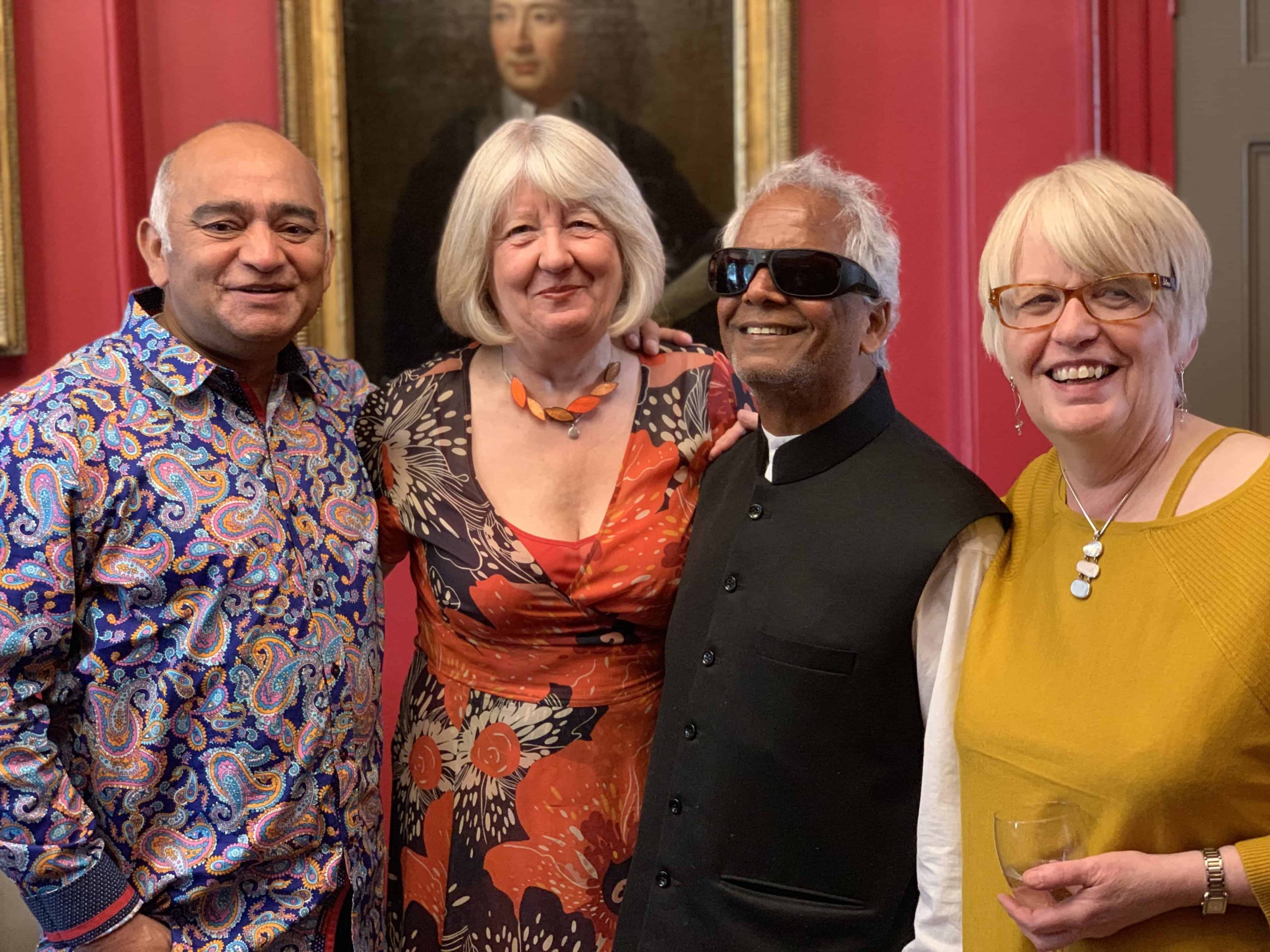
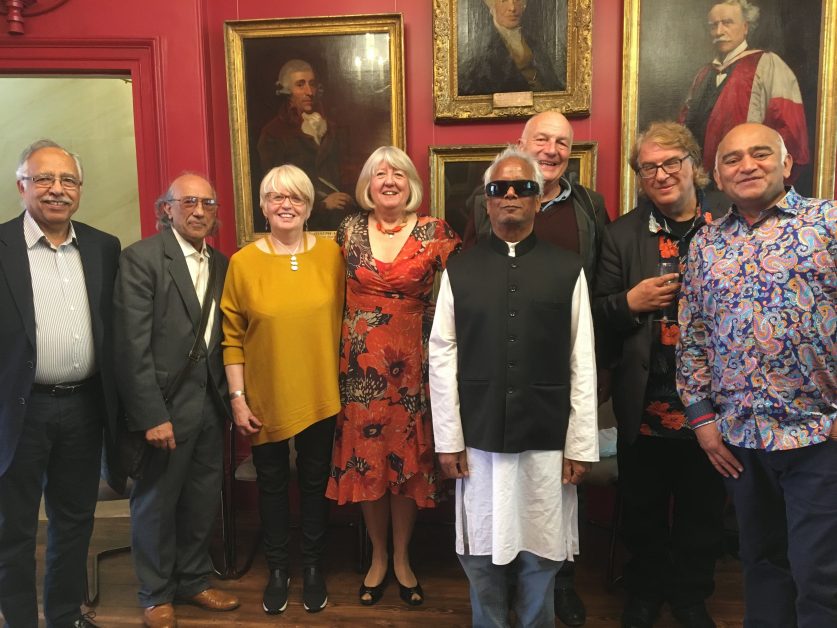
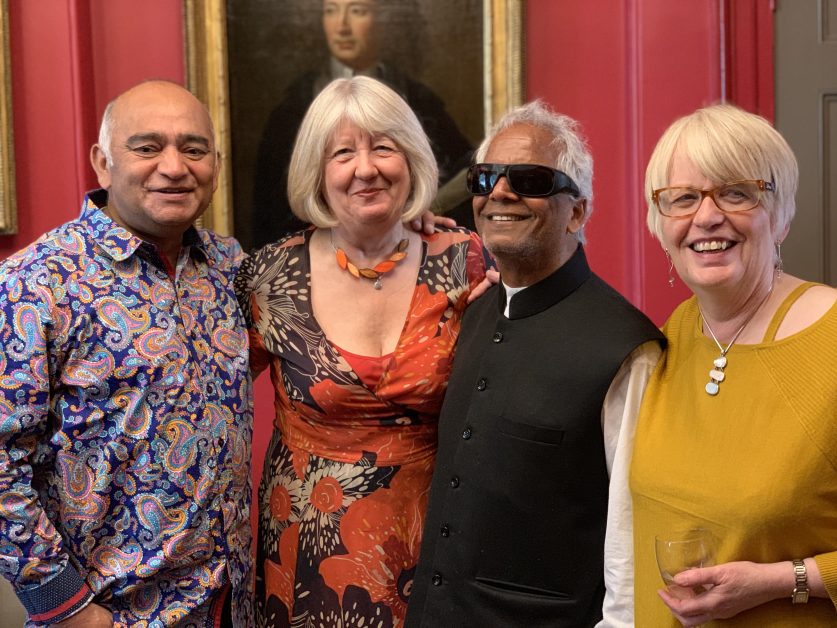
“At the exclusive launch last Wednesday (18), Patel, Allen and Shrivastav played three extracts from the CD for an audience in central London. Speaking to Eastern Eye before the performance, Patel admitted he never expected that the album would ever be released.
“In the beginning, I thought it was a piece which would carry on year after year,” he said. “We did a couple of shows, but then I didn’t hear anything, and it fizzled out. When I got the call to say that it was being relaunched, I knew I had to make this happen.”
Composer Rodgers agreed that it was “fantastic” to finally have the album launched so many years after it was initially created.
“It was cut off in its prime and didn’t get the exposure and the performances it should have had,” she told Eastern Eye. “I’m truly thrilled that we have been able to launch it today.”
Described as a “revelation of west meets east,” the album is set in Punjab, north India. As British Asian culture has become more mainstream in the UK, Patel believes this is a perfect time to revive the album.
“Some may think (the time) has gone now, but I don’t think it has,” he said. “If you look at Asian music and dance in the UK, we are more vibrant now than ever before.”
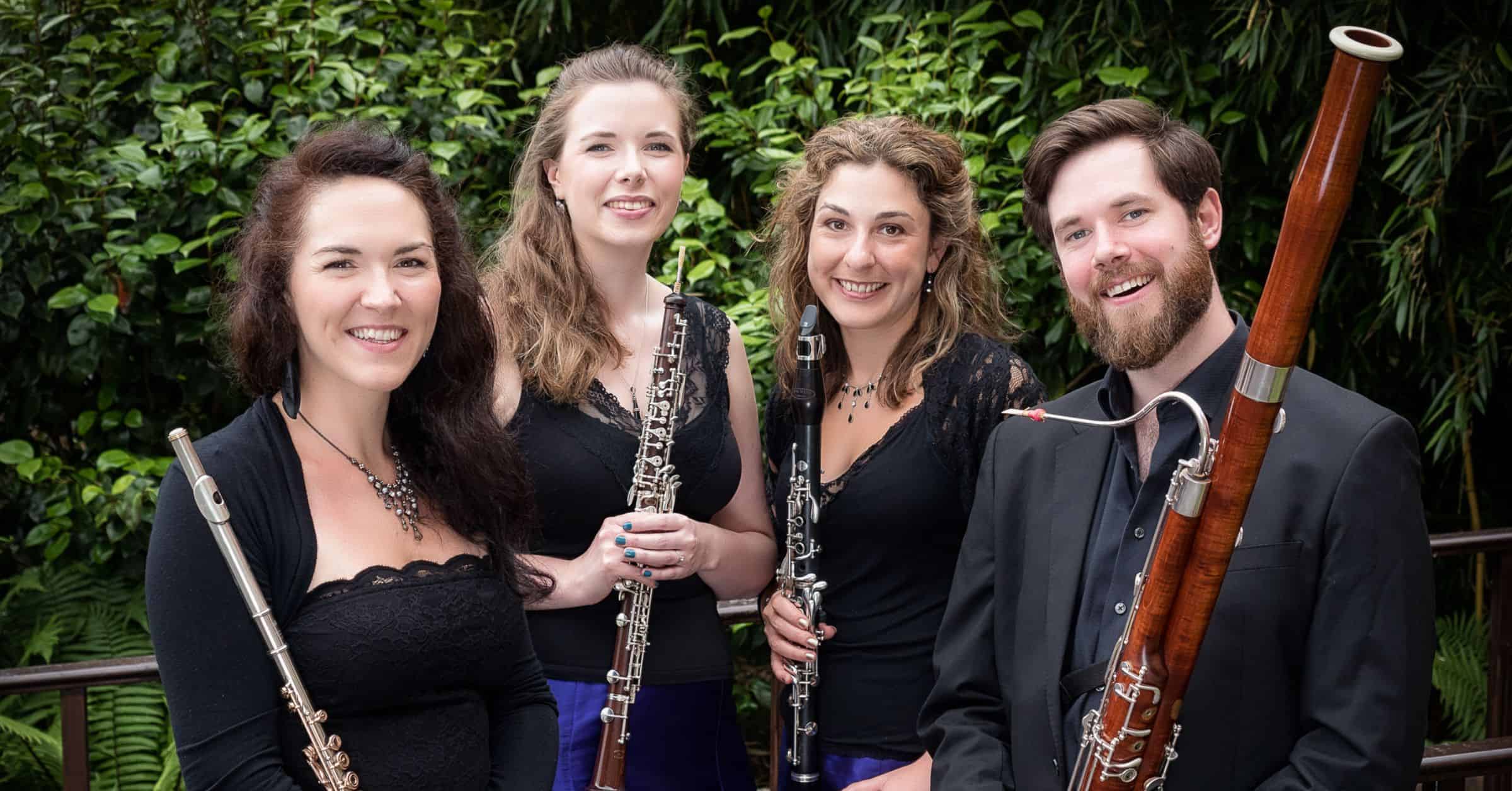
On 8 October, 2019, London Myriad will launch their new Métier release, “Four”, at 1901 Arts Club in London with performances of excerpts from the recording before its 11 October release!
FOUR is a recording which champions music for wind quartet and includes the world premiere recording of French female composer Claude Arrieu’s Suite en Quatre written in 1979. Taken from the existent repertoire for wind quartet, the recording includes works by twentieth century French and British composers Claude Arrieu, Jean Françaix, Eugène Bozza, Jacques Ibert, Frank Bridge and Richard Rodney Bennett.
Enjoy your evening at the 1901 Arts Club with a glass of Prosecco on arrival in the lounge. Doors open at 6.30pm and London Myriad will perform in the 1901 Salon at 7.30pm. Feel free to stay for further socialising with the quartet and friends after the performance.
Details
Where: 1901 Arts Club, 4 Exton Street, Waterloo, London SE1 8UE
When: Tuesday 8 October 2019, – doors open 6.30pm, performance 7.30pm
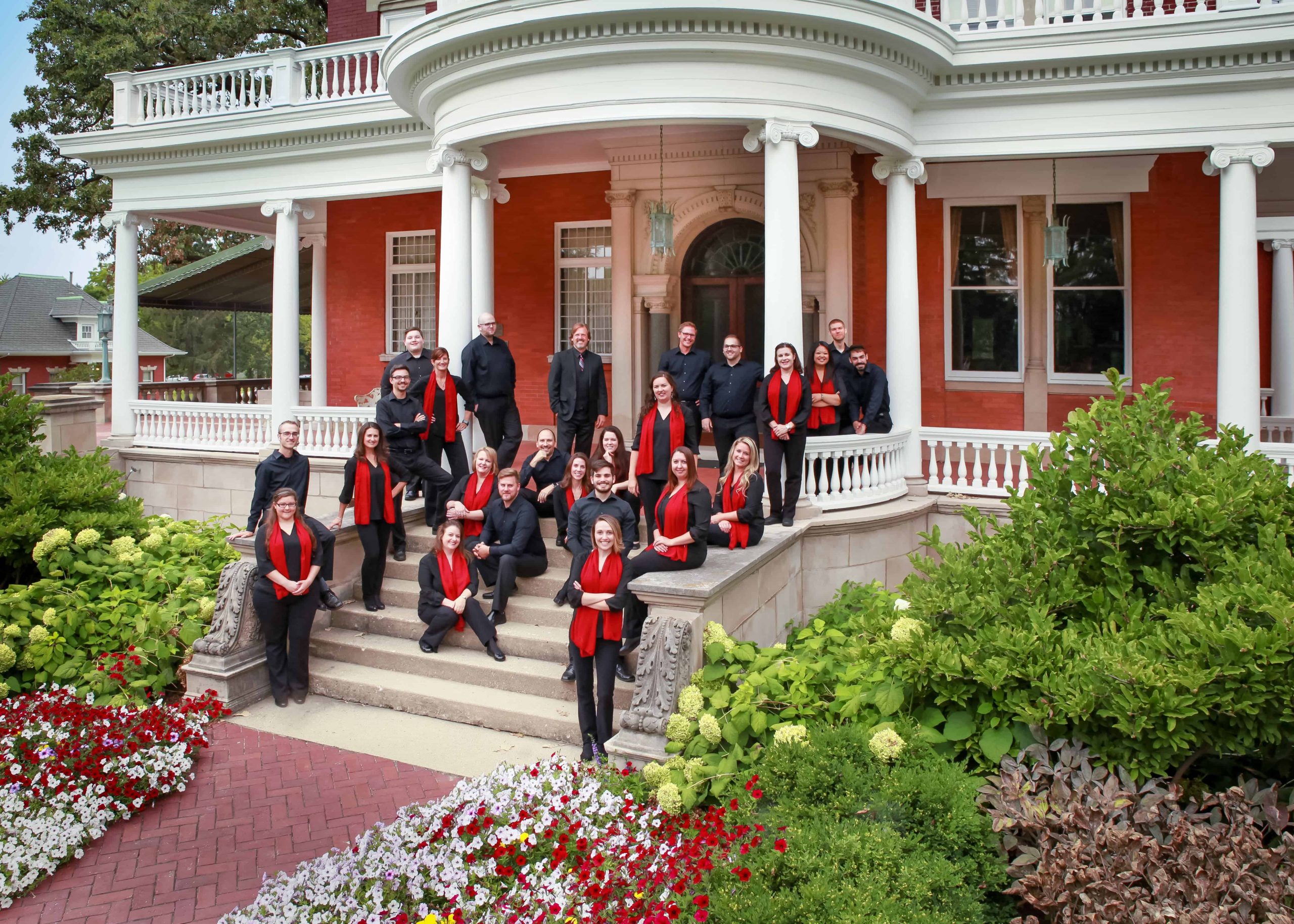
Illinois-based choir Cor Cantiamo has been selected to perform at the American Choral Directors’ Central/North Central Division convention next March. Also, the choir has been invited to be the group that premieres the ACDA Raymond Brock Commission Award winner. That is a singular honor for the choir and its conductor, Eric A. Johnson. The convention serves the ten Midwest states of Ohio, Indiana, Michigan, Illinois, Wisconsin, Minnesota, Iowa, Nebraska and both Dakotas.
Cor Cantiamo, which is choir-in-residence at Northern Illinois University, is one of America’s finest chamber choirs. It is signed to the Anglo-American label Divine Art, which released its last album ‘Psallite’ in 2017 (a co-production with Soli Deo Gloria). March will see the release of its new album of music by British composer James Whitbourn (“The Seven Heavens”, Divine Art DDA 25192) label CEO Stephen Sutton is delighted to welcome Whitbourn to Divine Art’s roster of over 900 composers: “We have been privileged to work with relatively little known choral composers of utter genius, such as Lydia Kakabadse and John Buckley, and this new album by James Whitbourn contains some of the most beautiful and well-written choral music I have heard for decades.”
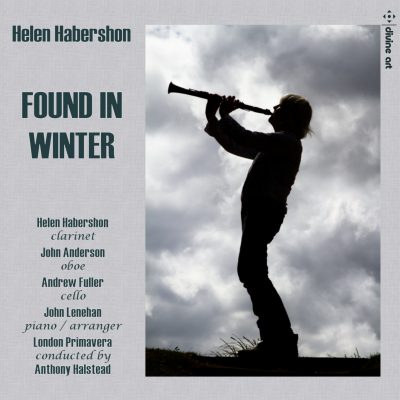
The music has been wonderfully arranged for small orchestra (most tracks) by John Lenehan and is unashamedly tuneful, though never simplistic; impressionistic and almost visual in its impact. This album follows two previous CDs which were Album of the Month and Album of the Week respectively on Classic FM.
Helen is principally a clarinettist with a distinguished international concert, radio and TV career; after a serious injury to both wrists, she turned to composition and has never looked back, though now once again able to perform – as she does on this album.
The performers on the album have all established themselves as leading lights; John Anderson is one of the most recorded oboists in the world and professor of oboe at the Royal College of Music; Andrew Fuller left the RPO to follow a very successful career in solo and chamber performances, and John Lenehan has appeared on over 70 albums including solo recordings for Sony, receiving many plaudits. The London Primavera was formed in 1986 and consists of the foremost chamber musicians in Britain. It has appeared at many international festivals, has made two TV series, and several recordings. Anthony Halstead has made over 50 CDs all around the world with leading ensembles and is one of Britain’s most sought-after and versatile conductors
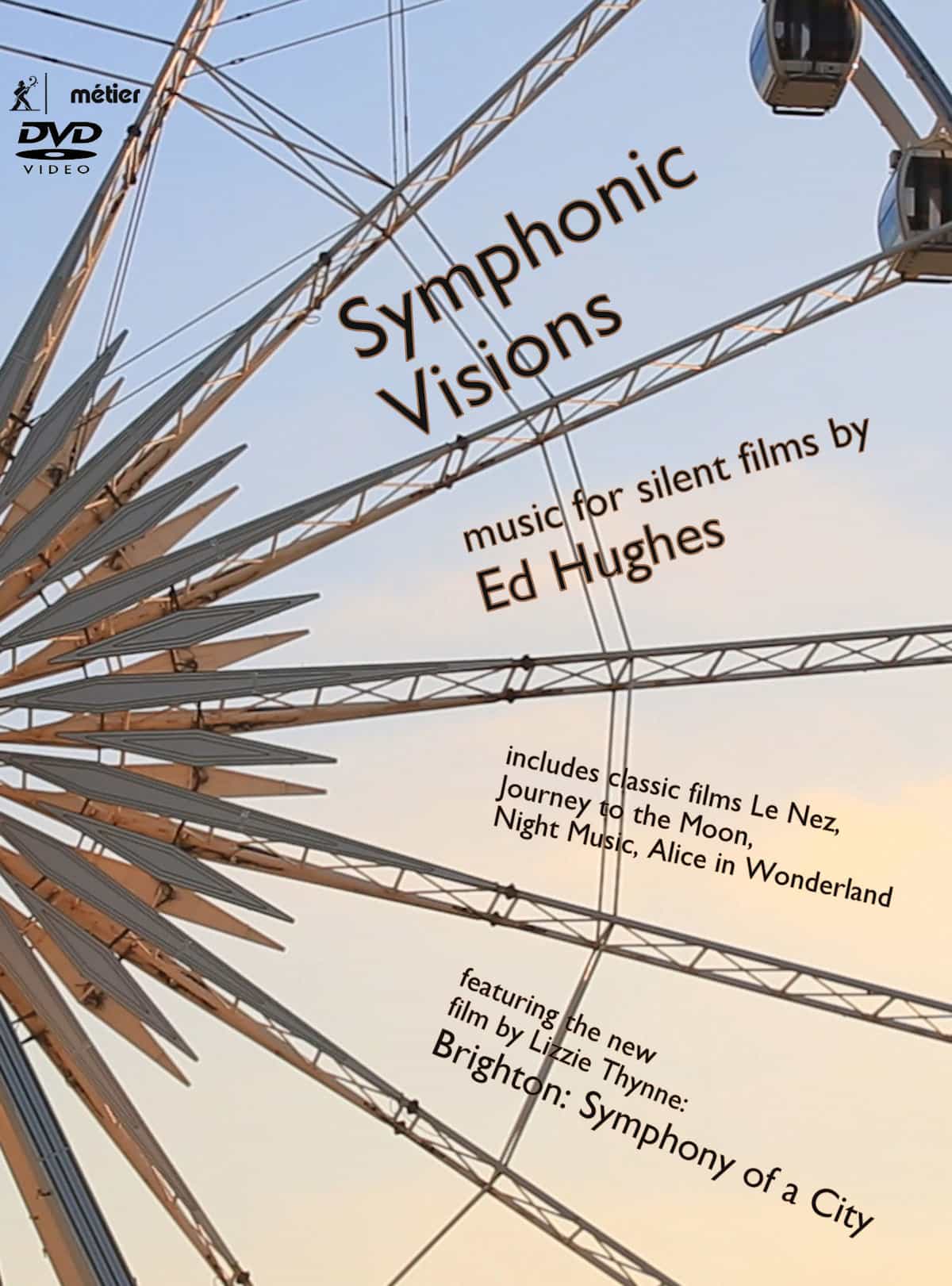
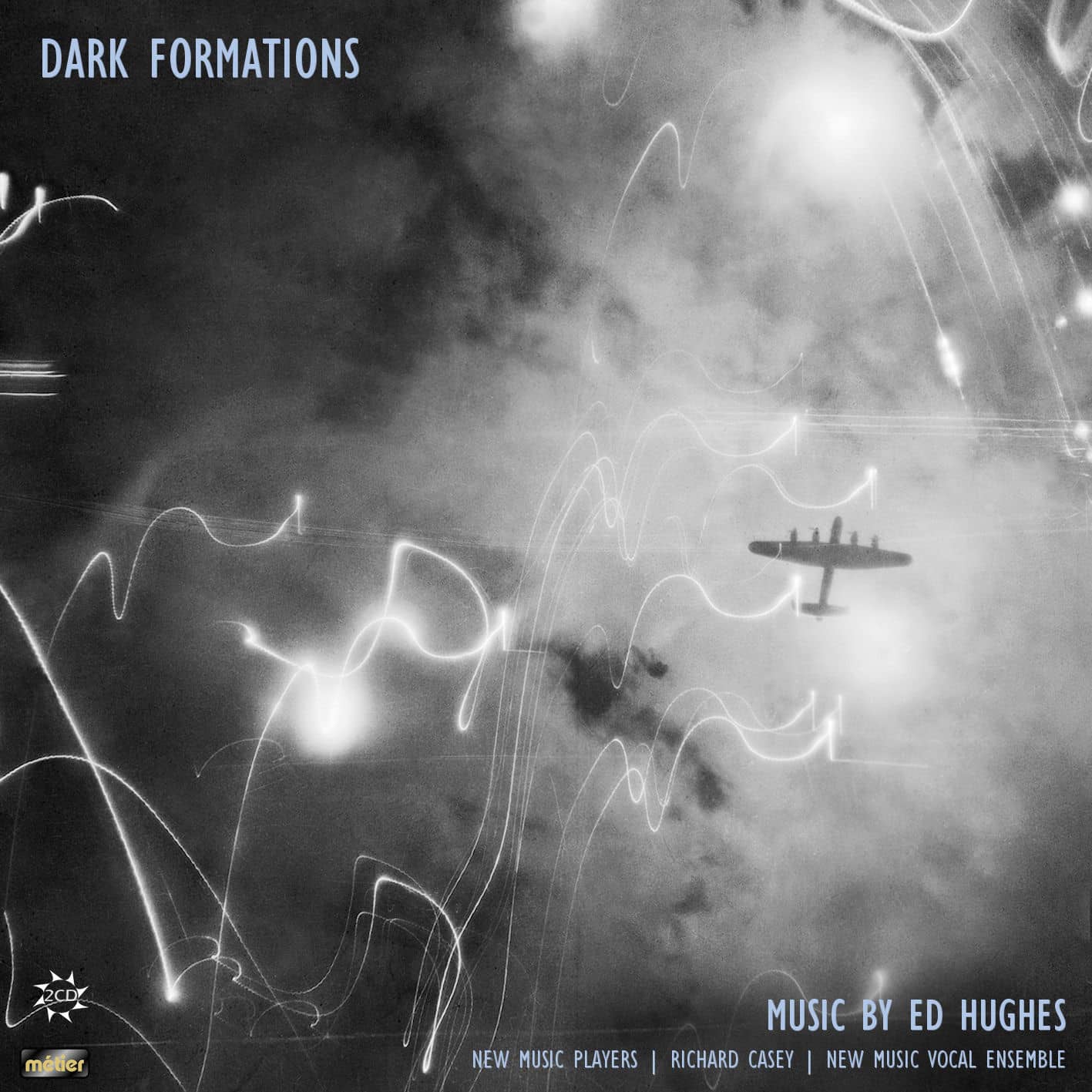
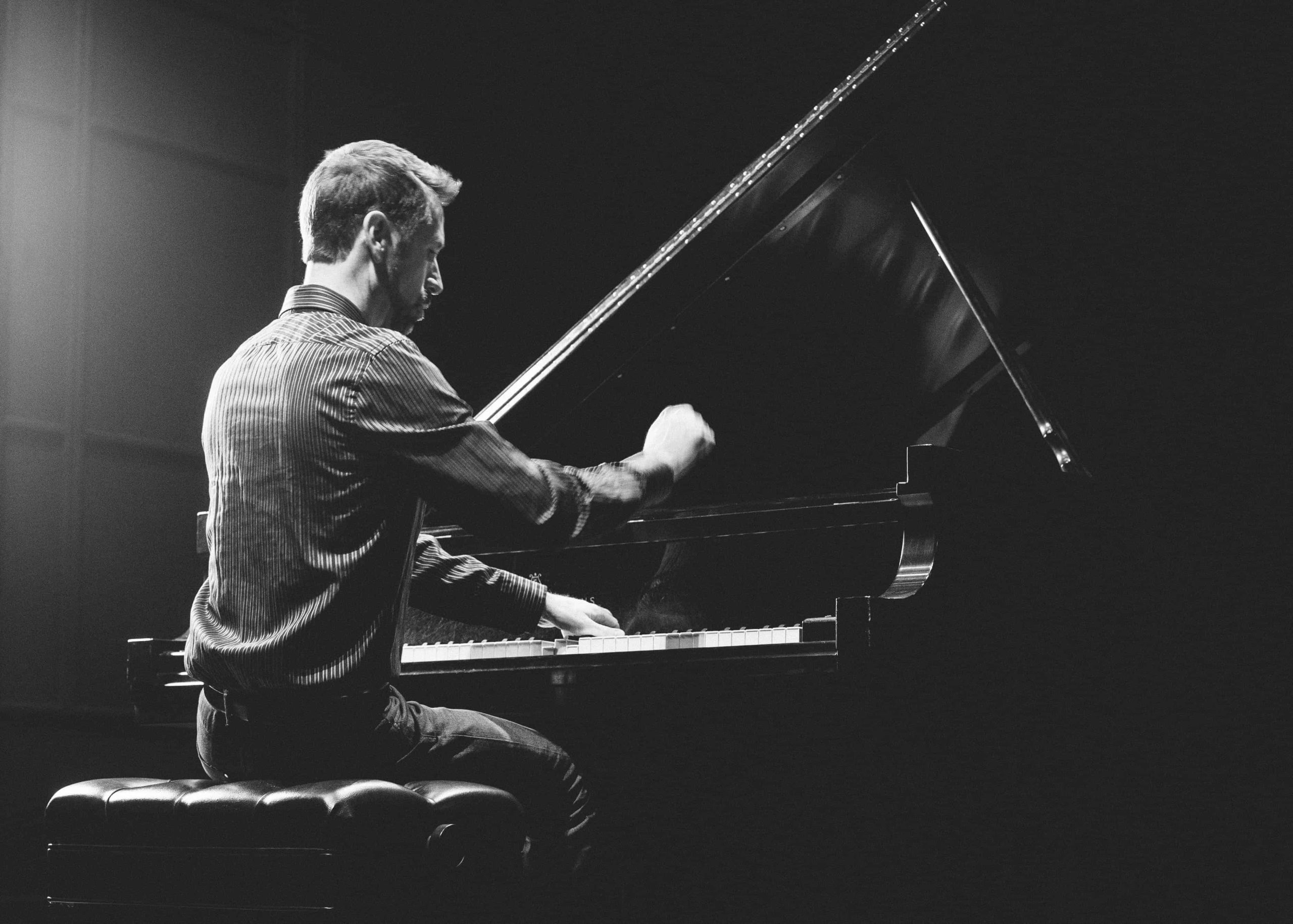
Metier Records, a division of the Divine Art Recordings Group, will be releasing a new album of music by Sussex (England) based composer Ed Hughes. This will be Hughes’s fourth album for Metier in a series which includes an opera (CD/DVD set), a DVD of silent films with new music by Hughes, and a highly acclaimed double album of chamber works.
The new album contains three works: Sinfonia and Cuckmere: A Portrait for chamber orchestra, and a piano trio – Media Vita.
Ed Hughes writes music which can be very lyrical with long lines, and yet also polyphonic – sometimes dense, and sometimes translucent. Very characteristic is that things go in and out of focus, so you hear different things at different times, flowing in and out. There’s always a sense of forward momentum in that the music is constantly on a journey. A definite sense of momentum and energy. You are left wanting more. It resists definition! Sinfonia explores violent extremes of emotion ranging from anguished and desperate states, to the serene, with hints of early music. Whereas Cuckmere is often really gentle – the beginning of Spring is fleet of foot and light, whereas Summer has this amazing warmth and richness to the textures, which is a big contrast to the brittle shards of Winter. And the windswept Autumnal textures. Overall the album is a portrait, unified stylistically, even though the pieces exhibit many contrasts. (comments by Liz Webb)
Ed Hughes says: “My new CD features the most amazing performances of my music by the New Music Players and the Orchestra of Sound and Light brilliantly recorded and mixed by Simon Weir and the Classical Media Company.
“The CD opens with Cuckmere: A Portrait. A four movement piece evoking the journey of the Cuckmere river, this is also a journey through the seasons. So it is an exploration of time and space. It has a changing texture, even though the work is a continuous play, because there are a prelude and three interludes introducing and connecting the four main movements. Using the resources of a small orchestra and electronics I try to create a sense of spaciousness, cold, warmth, beauty, scale, and the drama of the environment conjured in Cesca Eaton’s film, for which this piece was originally conceived as part of a major 2018 Brighton Festival immersive commission.* I did this through searching melodies, changing harmonies, shifting string colours, blocks of wind and brass, and the strangeness you get when the landscape is transformed through snow and ice conveyed through ‘on the bridge’ string effects, and the occasional addition of electronics in the interludes.
“Media Vita is the piano trio which goes back to my first professional compositions. I am fond of it because it freely explores the intense harmonies of an early motet – John Sheppard’s Media Vita (c. 1550) with its exquisite harmonic progressions and expressive melodies. I transform this into quite a bold and searching piece for piano trio.
“The final piece is called Sinfonia (2018) – it links to Media Vita (1991) because more than 25 years on from Media Vita it’s a return to the idea of trying to get under the skin of early English music. But this time in a sort of chronological survey of music composed between 1415 and c. 1600 using pieces originally concerned with war, passion, the human spirit, death, environmental disaster and the sounds of the city… all these different mixed elements from an early period. I’m trying to transform them into a statement that’s more about today than yesterday, through this large scale ensemble piece, Sinfonia.”
Ed Hughes: Sinfonia (Métier MSV 28597)
Coming Spring 2020
Recorded by Simon Weir (Classical Media) in 2018.
Works & Performers:
Sinfonia – Featuring the New Music Players conducted by Ed Hughes
Cuckmere: A Portrait – Featuring the Orchestra of Sound and Light conducted by Nicholas Smith
Media Vita – Featuring Susanne Stanzeleit (violin), Joe Giddey (cello), Richard Casey (piano)
The American branch of Divine Art Recordings has announced the signing of American pianist Justin Badgerow, whose debut album ‘Reminiscences of Brazil’ is to be recorded this autumn for release in 2020.
Justin Badgerow is a pianist based in Lancaster, PA and is an Associate Professor of Music at Elizabethtown College. Dr. Badgerow holds degrees from University of Central Florida, University of Texas, and the University of Colorado. Justin has performed across the USA as well as in Mexico, Brazil, South Africa, and Ireland and he holds a special interest in music of Latin America. This particular recording project, his first, began after a visit to the state of Bahia, Brazil. After performing and lecturing in the city of Salvador, Badgerow met local composer Paulo Gondim and began to study his works as well as other historically significant Brazilian composers such as Heitor Villa-Lobos and Francisco Mignone. While reminiscing on his travels, he discovered also the Brazilian-inspired works of Frenchman Darius Milhaud. These composers’ pieces all fit together as an ideal recording opportunity which attempts to capture the essence of the Brazilian people and artistic culture through the lens of an American traveller. Dr Badgerow also intends to undertake a concert tour to promote the new album; further details will be published on the Divine Art website when available.
Reminiscences of Brazil
DDA 25201 – Coming Early Summer 2020from Pianist Justin Badgerow
A cross-cultural music-narrative set in the North Indian Punjab of Kipling’s ‘Kim’
Launch Event Details
When: Wednesday 18 September, 2019 12:00 to 2.00pm
Where: The Royal Society of Musicians of Great Britain, 26 Fitzroy Square, London W1T 6BT
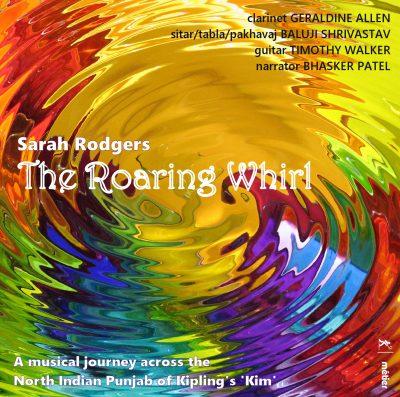
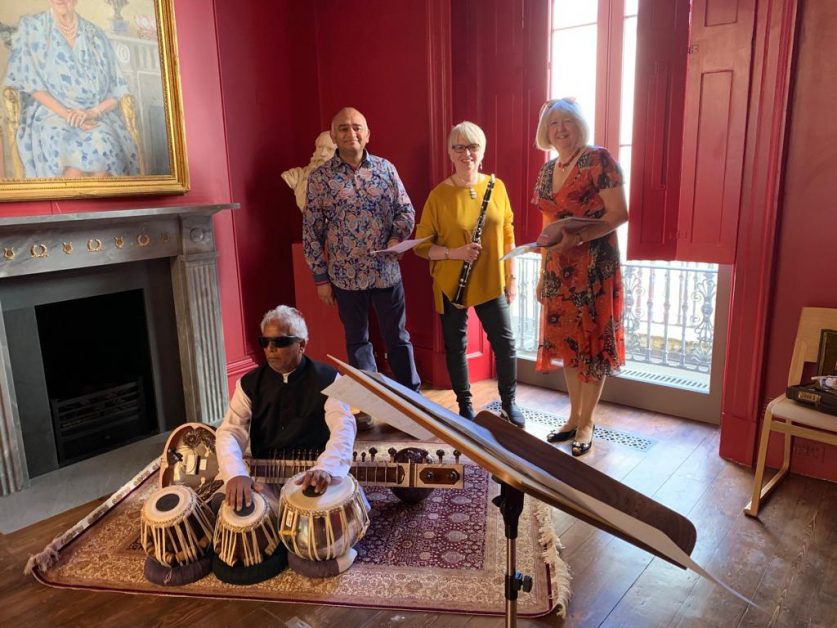
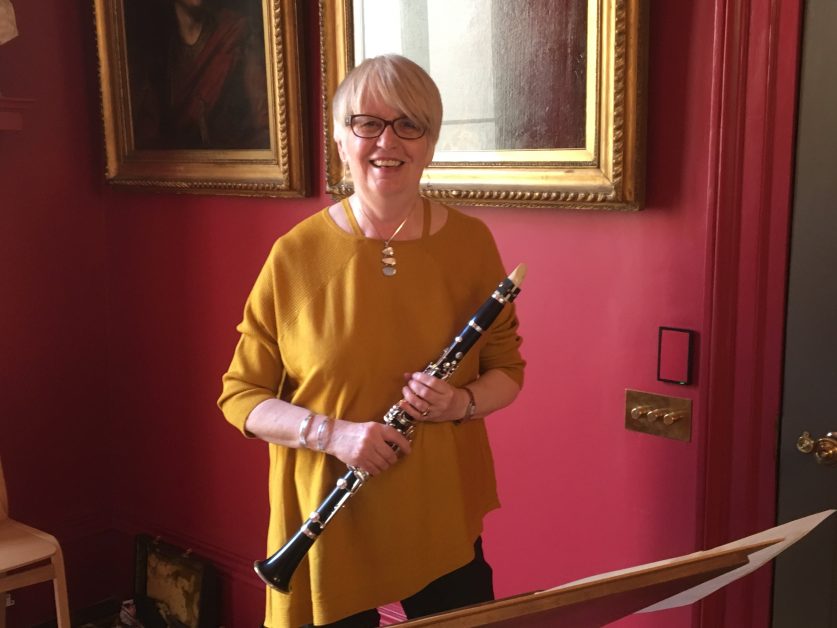
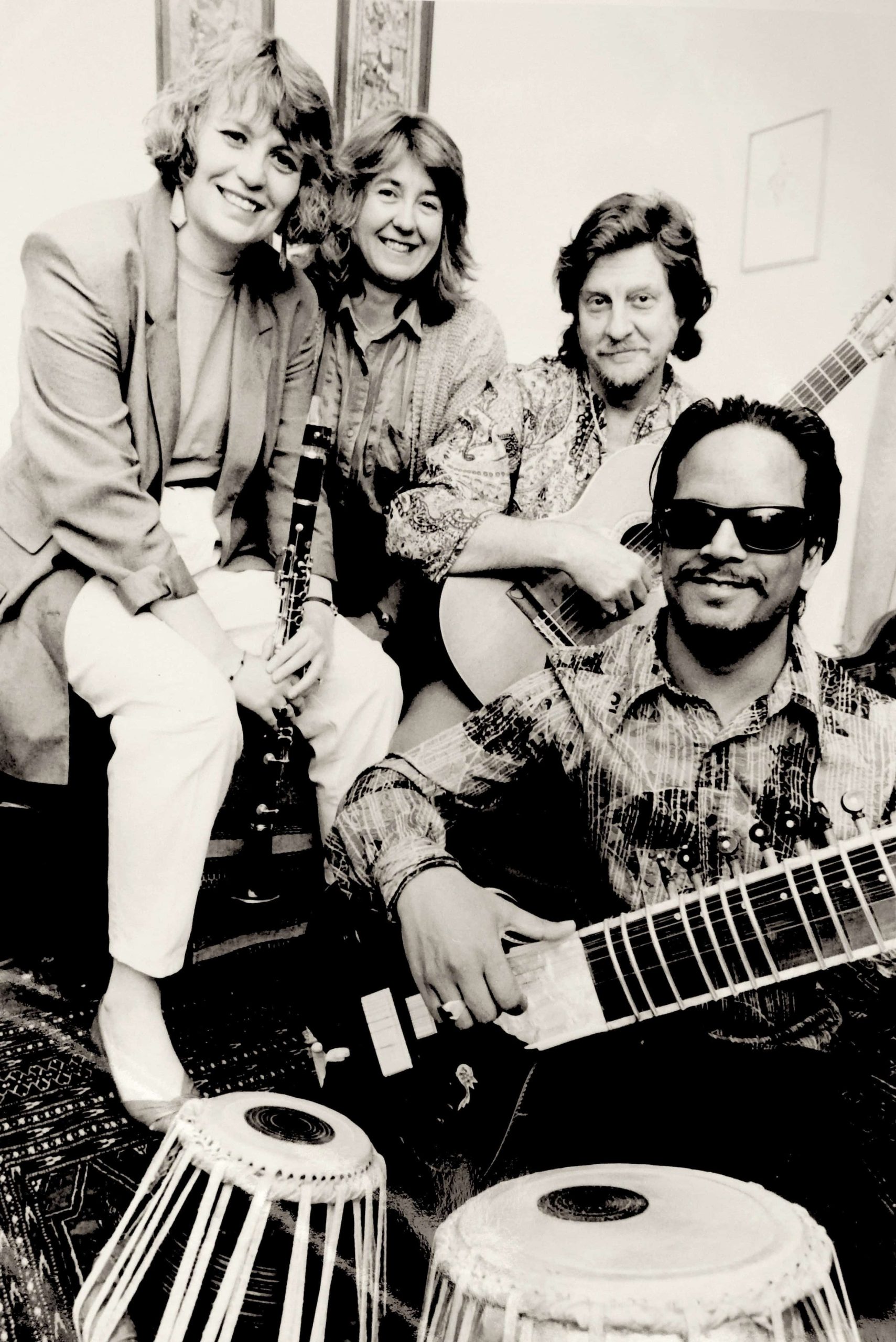
A partnership between the Divine Art Recordings Group and Impulse Music Consultants sees the release in September of a recording which was made in 1992 by The Classical Recording Company but did not progress to commercial release at the time due to a career-changing accident which befell the featured artist,clarinettist Geraldine Allen. A whole roster of exposure for ‘The Roaring Whirl’ had been planned subsequent to a successful premiere at the annual East Midlands festival of new work, The Nottingham NOW Festival. Appearances at further festivals and on the BBC had to be postponed after Geraldine, who was at the height of her playing career, was involved in a car accident, receiving severe neck injuries. The postponement and subsequent recovery took longer than expected!
Some 27 years later, this fascinating cross cultural work set in the North Indian Punjab of Rudyard Kipling’s ‘Kim’, sub-titled “a music-narrative”, is at last being made available to wider audiences through the release on Divine Art’s contemporary music label, Métier.
Since the recording was made the narrator of colourful extracts from Kipling’s ‘Kim’, Bhasker Patel, has progressed from being little known as an actor to become a household name as Rishi Sharma on ITV’s Emmerdale.
Likewise, virtuoso sitarist Baluji Shrivastav, who also plays tabla and pakhavaj on the recording, has been awarded the OBE and gained recognition for his work with the British Paraorchestra, alongside a raft of performance collaborations at the highest level.
Guitarist Tim Walker who performed regularly with The Fires of London for composers Peter Maxwell Davies and Harrison Birtwistle is also featured on the recording and was principal guitarist with the London Sinfonietta as well as performing with many of the leading symphony orchestras in London.
By turns, challenging, intriguing and entertaining, ‘The Roaring Whirl’ is a revelation of West meets East and demonstrates Sarah Rodgers’sskill and inventiveness in passing her musical ideas across a spectrum of instruments and traditions. The work is a microcosm of story-telling not only by the use of words but also by the structure of the piece which, while full of evocative musical imagery, embraces elements of improvisation by which the instrumentalists can spin out the story themselves.
Against a backdrop of woven musical textures, the clarinet strides and soars, sometimes conversing, other times commanding, with an astounding versatility and dexterity. The richness and versatility of all the performers in The Roaring Whirl is at last available to the musical world in a cross cultural work which will now have a very different audience from the one it first encountered in the ground-breaking original performances of the 1990s.
We are delighted that Geraldine Allen will play an extract from the album: ‘India Awakes’, with Baluji Shrivastav on tabla, narrated by Bhasker Patel.
We hope you will join us to celebrate the launch of this unique album.
To RSVP and for further information please contact: Margaret Skeet
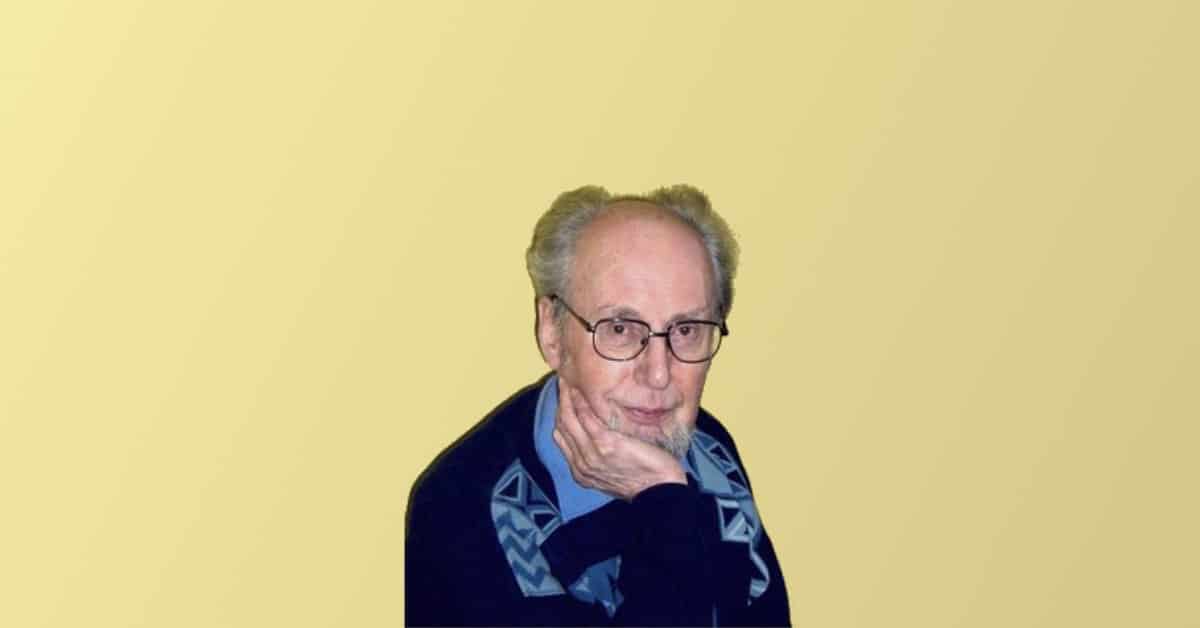
We just discovered (July 2019) that composer John Rose had died last year at the age of 90. Not to be confused with younger composers John Alan Rose and John Luke Rose, our John was a composer with a distinctive style, one of the many inspired by Ronald Stevenson; he self published his music and did not participate in social media or self promotion in any way, his professional life being largely confined to academia; apart from a short entry in the Scottish Music Centre website he never attained any real attention or acclaim despite undoubted skill as a composer.
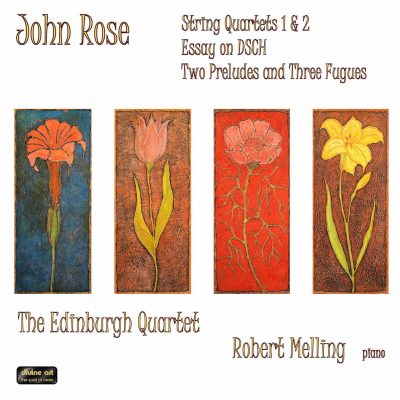
John Rose was born in London of Dutch parents. He was educated at the Diocesan College, Cape Town, where two of his works were performed by the C.T. Municipal Orchestra. Following this, he studied at the RAM, and at Oxford under Edmund Rubbra. His teaching career has been mainly in adult education, as founder of the St. Alban’s Chamber Choir, as lecturer in F.E., Glasgow, and at various times, as lecturer for extra-mural departments. Formative experiences in Cape Town and at Oxford contributed to the subsequent composition of three substantial works on Latin texts, and two organ works. The organ works have their roots in the Netherlands North German tradition of organ music, and have been recorded by Kevin Bowyer. The only other recording of Rose’s music is a set of piano works and string quartets (Divine Art DDA 25092) performed by Robert Melling and the Edinburgh Quartet.
Exciting news from Oxford University Press for composer James Whitbourn! We’re looking forward to releasing a new collection of his pieces on an upcoming recording, “The Seven Heavens” and what we think is one of the most exquisite group of choral masterpieces of recent years! From Oxford University Press:
We are delighted to announce that James Whitbourn has signed a long-term publishing agreement with Oxford University Press.
James Whitbourn was described by The Observer as “A truly original communicator in modern British choral music.” He is a GRAMMY-nominated composer, who after graduating from Magdalen College, Oxford, started his career in broadcasting, composing many works for the BBC. His works are admired for their direct connection with performers and audiences, and through his imaginative treatment of voices and instruments he manages to “expand the experience of classical music beyond the edges of the traditional map of classical styles” (NPR).
James Whitbourn says: “I am honoured to be joining such a vibrant publishing house, known and respected across the world and based in a place I love. I’m thrilled to be working with OUP’s exceptional team on a range of exciting projects coming up in the years ahead.”
Ben Selby, OUP’s Director of Music Publishing, comments: “We’re thrilled to have James joining our illustrious list of Oxford composers. His writing brings an original and distinctive voice to our catalogue and a breadth of style and interests which is recognized at the highest level. We are greatly looking forward to working with him.
“Clarinettist and composer Helen Habershon’s latest offering is a selection of chamber works inspired by winter (the clue is in the title), performed by Habershon herself, with oboist John Anderson, cellist Andrew Fuller and pianist John Lenehan.
Also enlisted for this new recording is the London Primavera and Anthony Halstead.
Habershon’s work is often inspired by nature, and Found in Winter follows 2014’s Found in Sunlight and 2009’s Found in the Rain.”
Anthony Hedges (5 March 1931 – 19 June 2019) was one of that rare breed of composer that is as much at home in the world of ‘light’ music as in that of ‘serious’. He can spin a delightful tune one day, and the next be immersed in a work as gritty (the composer’s description) as the Piano Sonata.
Born in Oxfordshire, he distinguished himself as a music student at Keble College, Oxford; following a sojourn in Glasgow, he joined the staff of Hull University, becoming senior lecturer in music and remaining for more that three decades until his retirement in 1995.
In 1990 he was honoured by Hull, whose Central Library established an archive containing all his compositions and working sketches, and in 1997 by the University with an honorary D.Mus.
Academic duties never inhibited his abundant flow of works in many fields, encouraged by numerous commissions, sometimes for works on a grand scale, such as A Manchester Mass (1974) for chorus, orchestra and brass band.
He became a great friend of Anthony Goldstone, who commissioned two works for cello and piano in the 1980s; Hedges’ final work was The Elegy for Tony, written after Goldstone’s passing in 2017 – a very beautiful and poignant work.
Tony Hedges died suddenly on June 19, 2019 and will be sadly missed.
Hear his “Three Explorations”, Op. 145, Piano Sonata, Op. 53, and Five Aphorisms, Op. 113 on Explorations: