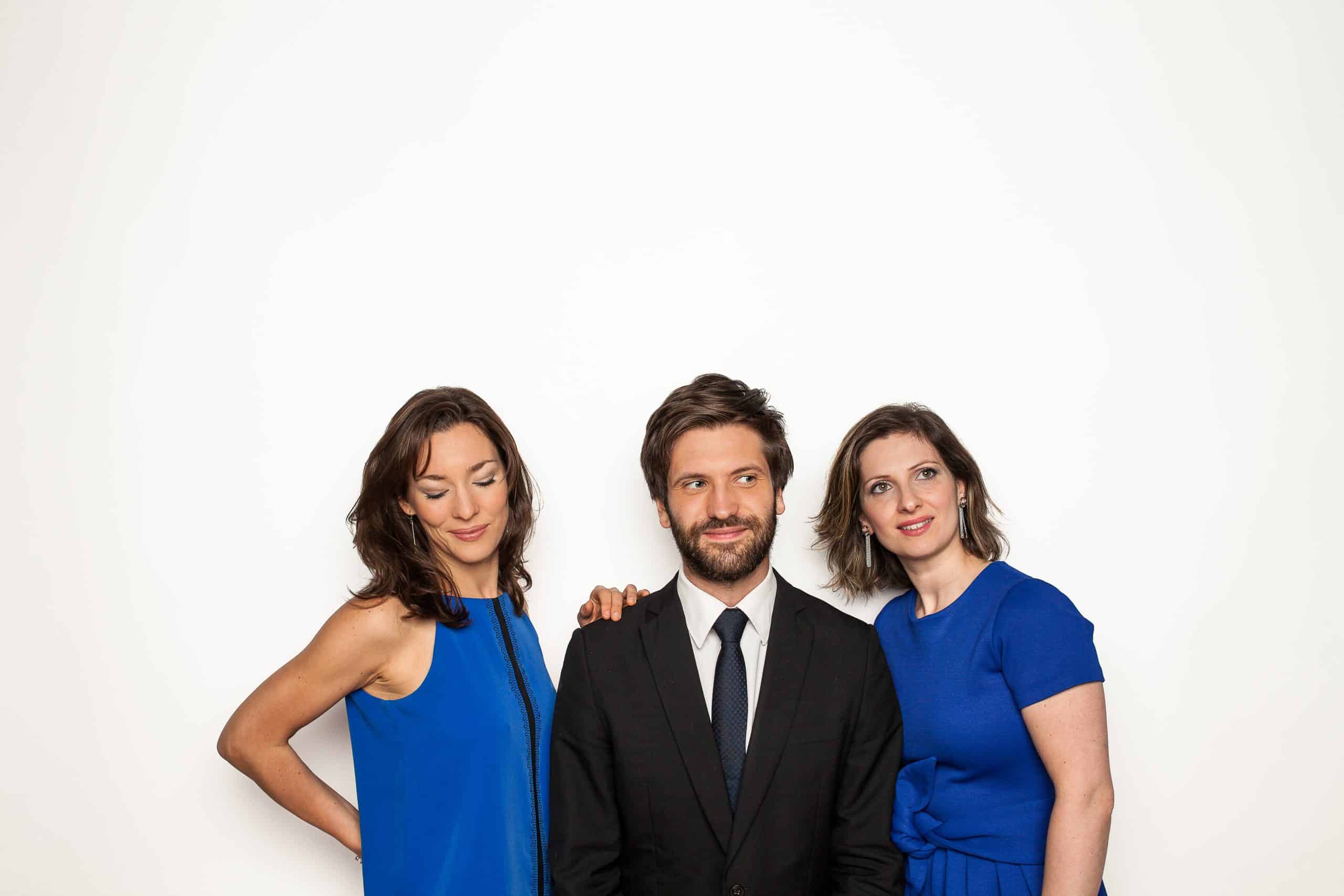
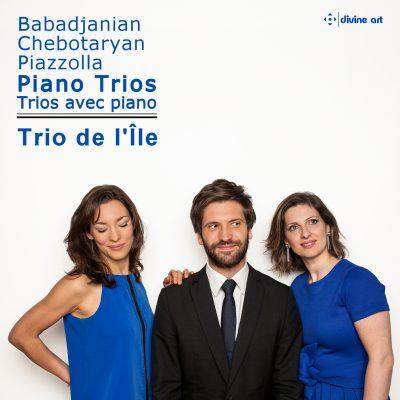
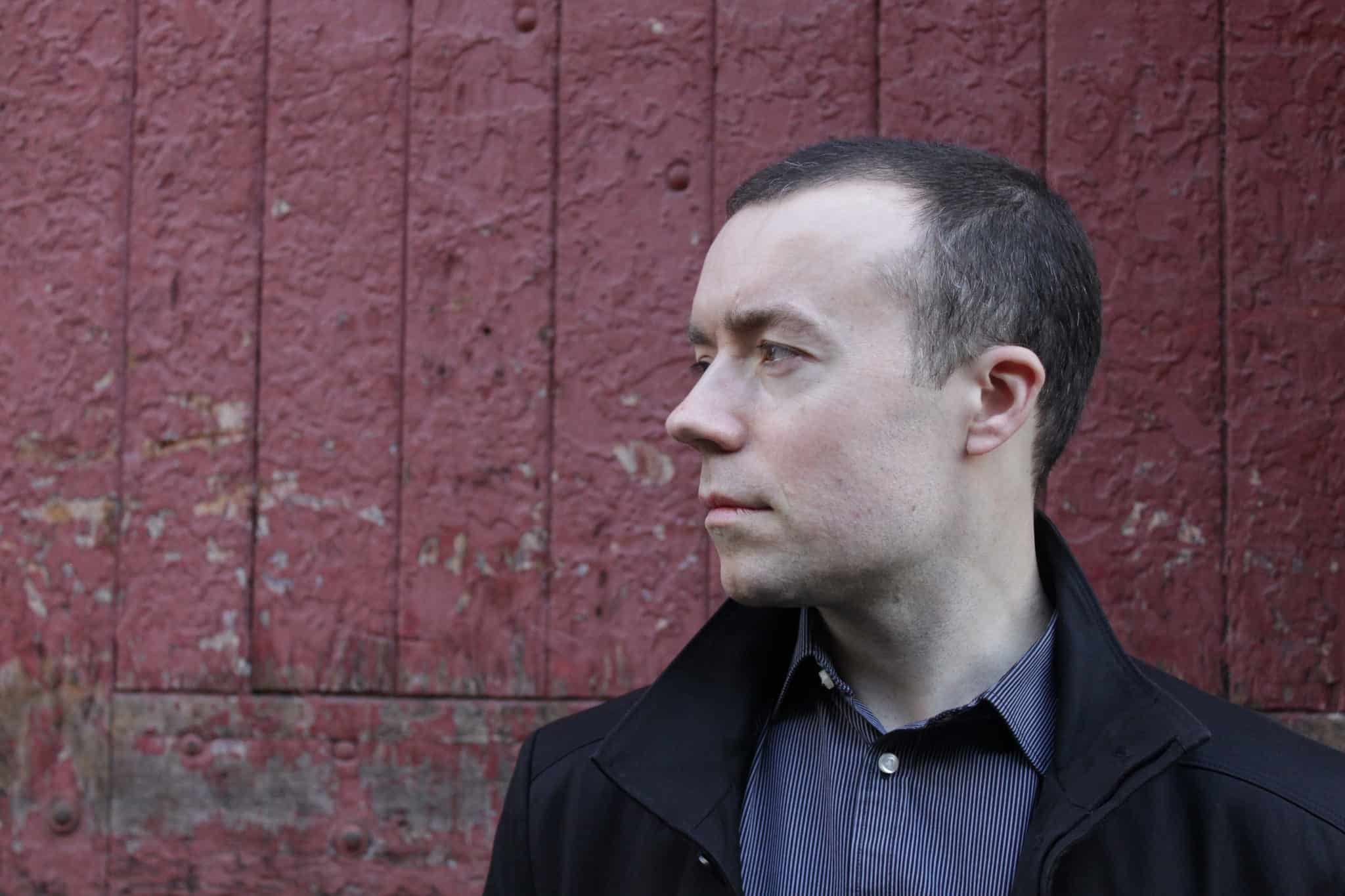
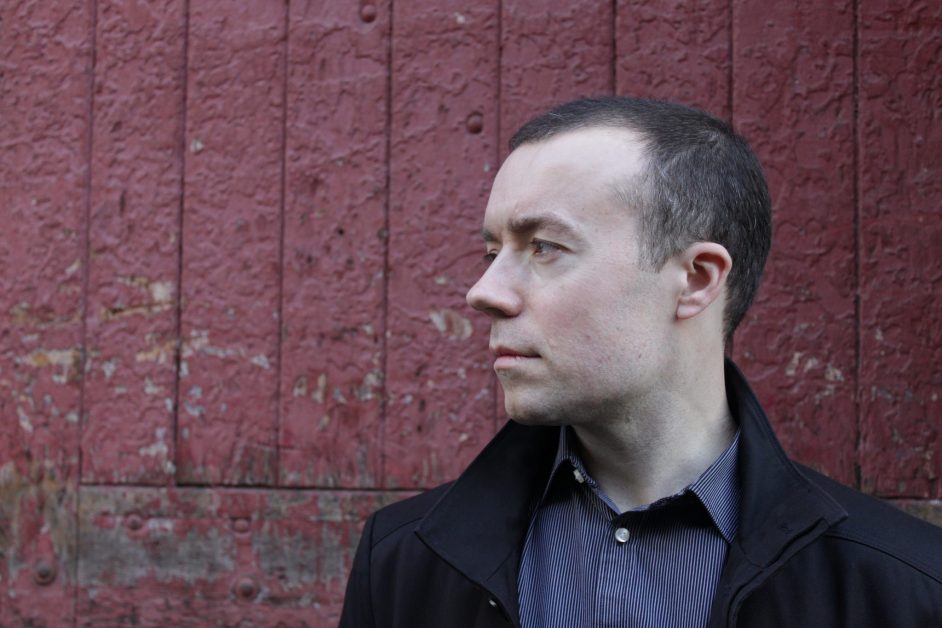
When favourite versions of two favourite works are supplanted by performances in the same recording, you know it has to be something special. The Babadjanian trio is given a reading of such passion and energy, and the raw intensity of the Piazzolla made me rethink how it should be performed.”
This double album is a continuation of Chadwick’s journey through Messiaen’s Catalogue d’oiseaux, programming it alongside an array of solo piano works that share its themes, atmospheres and inspirations. The latest issue features Books 2 through 5, including the cycle’s great centrepiece ‘La rousserolle effarvatte’ (The Reed Warbler), which evokes the sights and sounds of the Sologne region across a full day’s span.
The theme of the release is “night and day”, explored further by Messiaen in the atmospheric nocturnes of Book 3 (Tawny Owl and Woodlark), and the intense heat of a Provencal afternoon in The Short-toed Lark. Also featured is the first recording of Julian Anderson’s Sensation, a six-movement suite first heard at the Aldeburgh Festival in 2016 – with movements such as ‘Nuits’, ‘Alba’ and ‘She Hears’, a touching opener dedicated to Imogen Holst. Betsy Jolas’ Chansond’Approche brings together Messiaen-like melodies with chant-style material in a typically fluid tapestry.
Roderick Chadwick has already recorded solo works by Sadie Harrison, and here he gives us a new account of her Lunae (4 Nocturnes), pieces that encompass love, starscapes, nightingales and medieval psalmody in her distinctively wide-ranging style. Well-loved miniatures by Grieg and Debussy complete the offering.
Originally the album was due to be recorded in August but noisy building works forced a delay and relocation and recording will now take place at City University, London in January 2022 with a prospective release date around July.
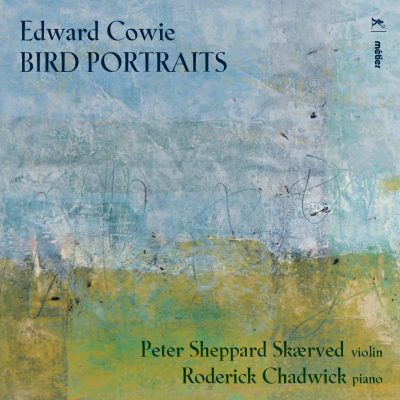
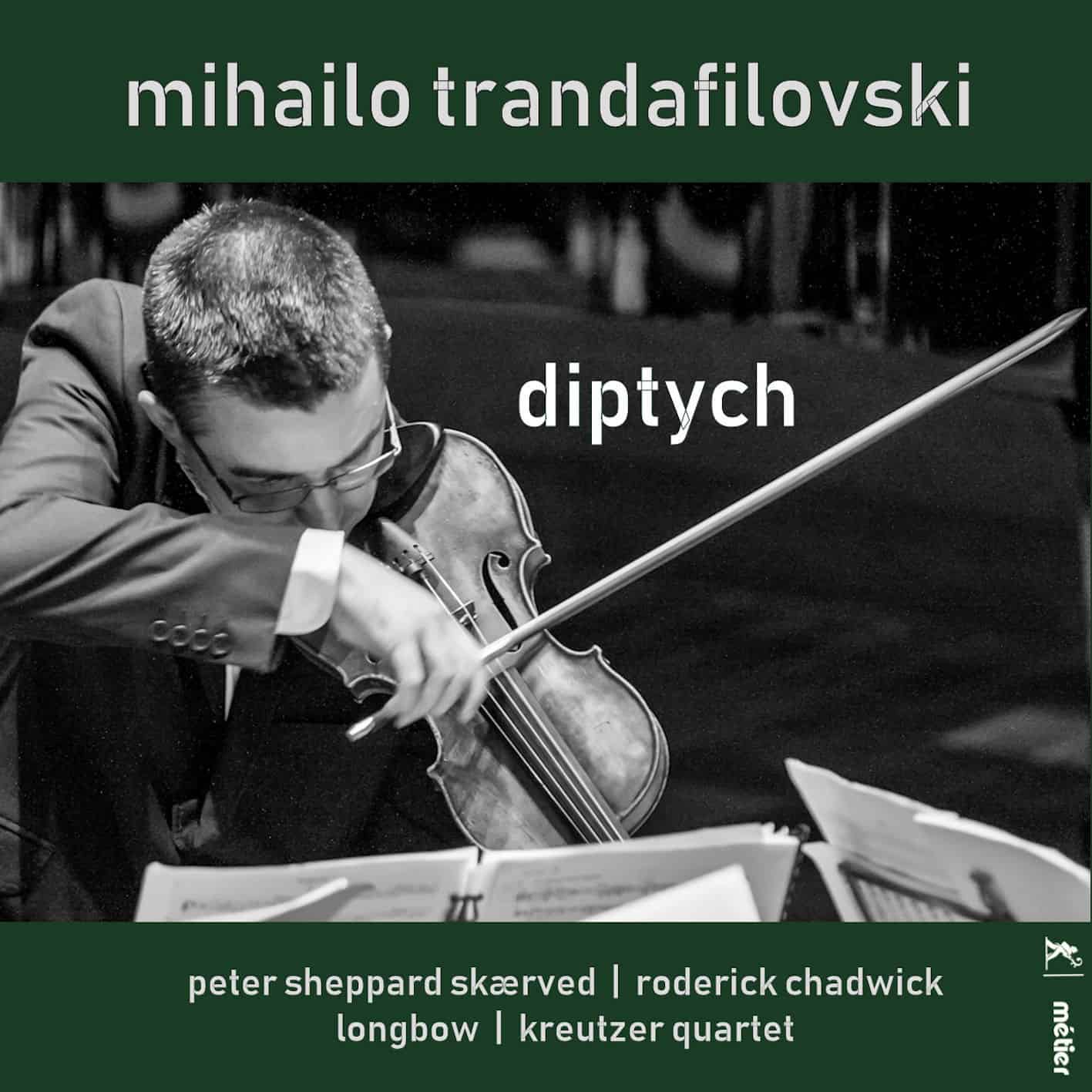
Roderick Chadwick is a pianist, teacher and writer on music. He has performed some of the most challenging works for the instrument, including Lachenmann’s Serynade at the inaugural London Contemporary Music Festival, and the first complete performance of Jeremy Dale Roberts’ Tombeau since its 1969 premiere at the hands of Stephen Kovacevich. He collaborates with some of the UK’s most adventurous musicians, with previous recordings for Divine Art/Métier including music by Michael Finnissy and David Gorton with members of the Kreutzer Quartet, and Mihailo Trandafilovski, Mozart and Ole Bull with violinist Peter Sheppard Skærved. Other recordings to date include Stockhausen’s Mantra with Mark Knoop and Newton Armstrong – which was described as ‘a real contender’ by Gramophone magazine – and works by Gloria Coates, Sadie Harrison and Alex Hills. Most recently he recorded the first two of Edward Cowie’s superb sets of birdsong-inspired music: “Bird Portraits” (with violinist Peter Sheppard Skærved) and “Where Song was Born” (with flautist Sara Minelli).
Roderick is a member of ensembles CHROMA and Plus-Minus, performing with them at festivals such as Huddersfield, ltima (Oslo) and the 2019 Warsaw Autumn Festival. His first performance on BBC Radio 3 was at the age of 14 (the Britten Gemini Variations live from the Aldeburgh Festival), and broadcasts since have included solo works by Laurence Crane, Richard Barrett and Will Gregory. In 2018 Roderick published Messiaen’s ‘Catalogue d’oiseaux’, from Conception to Performance, co-authored with Peter Hill. He is a regular performer of Messiaen’s works, including the entire Catalogue d’oiseaux and La Fauvette des jardins in a single concert event. In 2008 he was artistic advisor to the Royal Academy of Music for their part in the Southbank Centre’s Messiaen centenary festival.
He attended Chetham’s School in Manchester in the 1980s, studying with Heather Slade-Lipkin, and later moved to London to learn with Hamish Milne. He lives in South London and is Reader in Music at the Royal Academy of Music.
What pictures tell… (DDA 21240)
Works
Catalogue d’oiseaux (Olivier Messiaen):
Livre II – Le Traquet stapazin
Livre III – La Chouette hulotte
Livre III – L’Alouette lulu
Livre IV – La rousserolle effervatte
Livre V – L’Alouette calandrelle
Livre V – La Bouscarle
Lunae: Four Nocturnes (Sadie Harrison) Sensation (Julian Anderson) Préludes, Book 1 – Nos IV, V & XII (Claude Debussy) Chanson d’approche (Betsy Jolas)
Lyric Pieces (Edvard Grieg):
Book III, Op. 43 – No. 4 Little Bird
Book V, Op. 54 – No. 4 Nocturne
Book VIII, Op. 65 – No. 6 Wedding-day at Troldhaugen
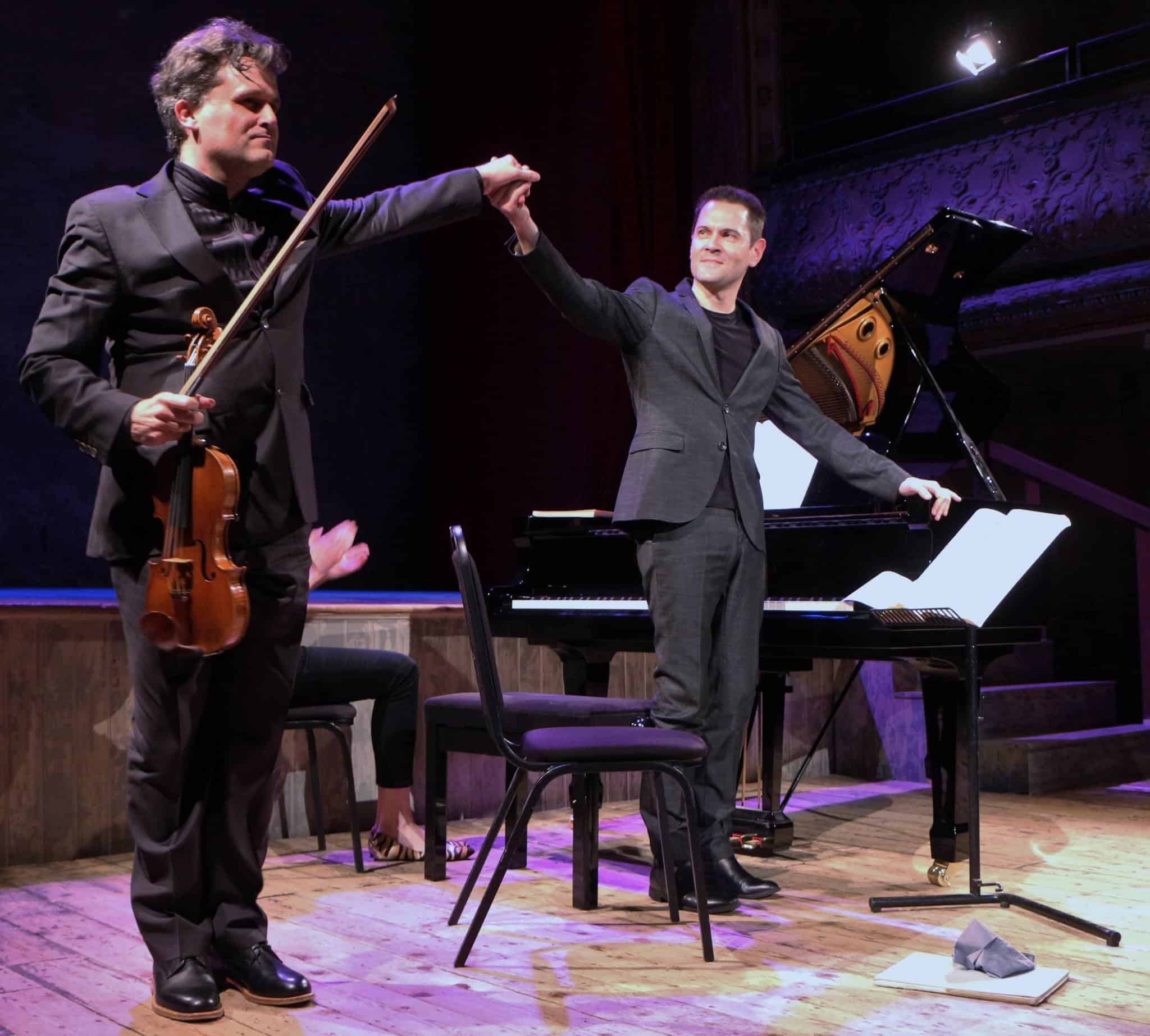
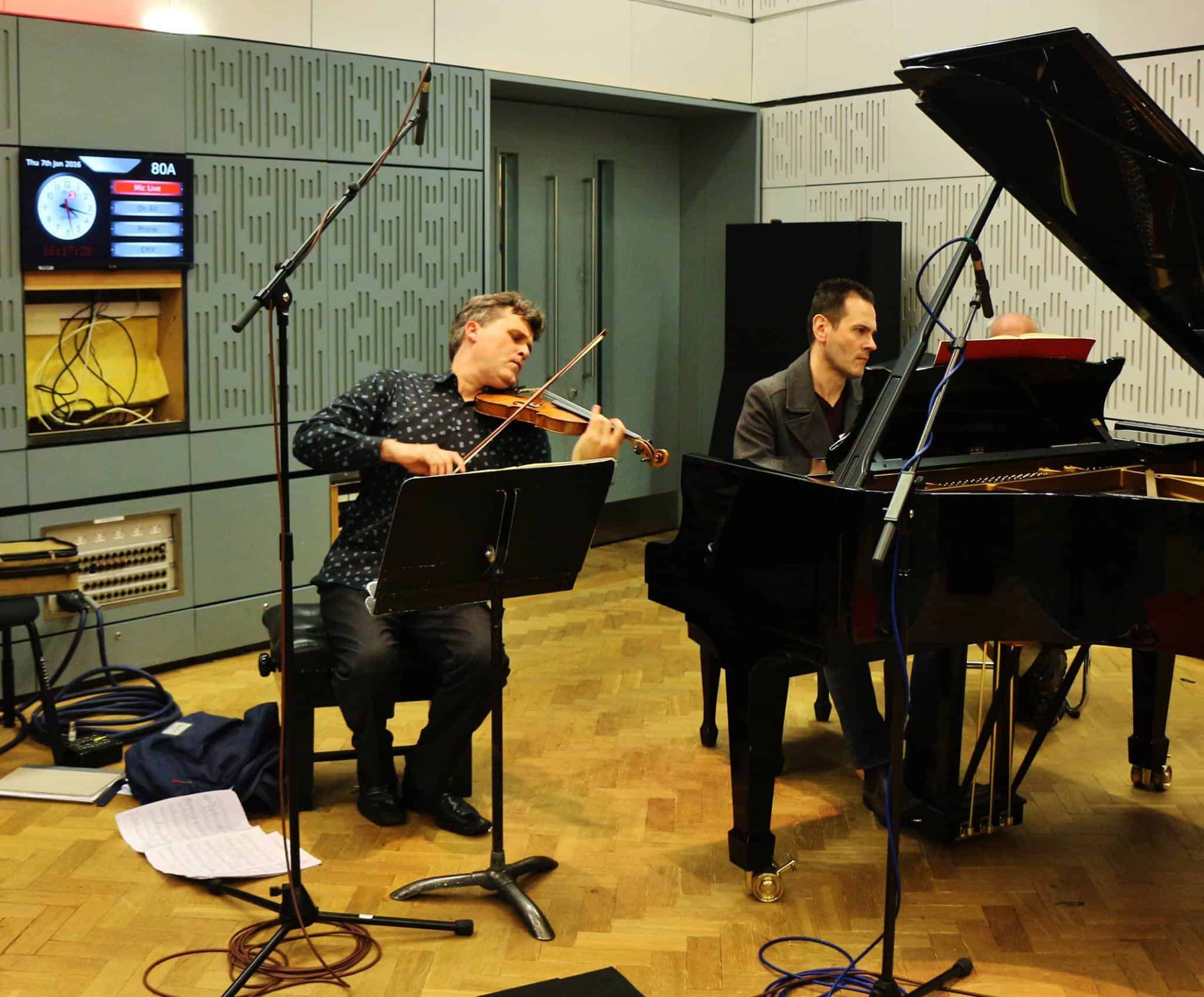
Acclaimed and prolific violinist Peter Sheppard Skærved is in full flow with six recording projects underway including contemporary music, ancient works continuing his ‘Great Violins’ series for Divine Art, and more. On this new album he presents the brilliant set of six sonatas for piano and violin D.301-306 by Mozart, with the equally talented and critically praised pianist Daniel-Ben Pienaar.
Peter Sheppard Skærved & Daniel-Ben Pienaar
In 1778 Mozart dedicated this set of six sonatas to the piano-playing Electress Elisabeth of the Palatinate. These extraordinary pieces, mark the beginning of his cycle of mature works for piano, accompanied by violin. This is a dazzlingly colourful, drama-filled, and emotional set of pieces, ranging from the concertante brilliance of the D Major, originally conceived as a concerto for the two instruments, to the sublime melancholy of the E minor, famously Mozart’s only work in this key.
Both of the artists are acclaimed for recording large-scale cycles from the 17th to 19th centuries. After years of collaboration, public and private, this recording is their long-awaited first disc together, and the first of their traversal of the Mozart set. These highly adventurous recordings were conceived in the spirit of conversation: the artists are inspired by the fact that this is music written for the salon, for the drawing room, for the home, and this informs their approach. They both play sitting down, sitting close to each other, enabling the lines and colours to intertwine, rather than be projected in ‘large-scale’, concert-hall fashion. The results are far from domestic – this approach enables refined rubati and shapings, whip-lash changes of direction and bubbling speeds, not unlike the talk of friends at table.
Mozart: The Palatinate Sonatas ATH 23212
W.A. Mozart: Sonatas for Piano with Violin
K. 301 in G major
K. 302 in E flat major
K. 303 in C major
K. 304 in E minor
K. 305 in A major
K.306 in D major
Recorded in 2021: Engineer: Adaq Khan
Peter Sheppard Skærved is known for his pioneering approach to the music of our own time and the past. Over 400 works have been written for him, by composers Laurie Bamon, Judith Bingham, Nigel Clarke, Robert Saxton, Edward Cowie, Jeremy Dale Roberts, Peter Dickinson, Michael Finnissy, Elena Firsova, David Gorton, Naji Hakim, Sadie Harrison, Hans Werner Henze, Sıdıka Őzdil, Rosalind Page, George Rochberg, Michael Alec Rose, Poul Ruders, Volodmyr Runchak, Evis Sammoutis, Elliott Schwartz, Peter Sculthorpe, Howard Skempton, Dmitri Smirnov, Jeremy Thurlow, Mihailo Trandafilovski, Judith Weir, Jörg Widmann, Ian Wilson, John Woolrich and Douglas Young.
Peter’s pioneering work on music for violin alone has resulted in research, performances and recordings of cycles by Bach, de Bériot, Tartini, Telemann, and, most recently, his project, ‘Preludes and Vollenteries’, which brings together 200 unknown works from the seventeenth century, from composers including Colombi, Lonati, Marini and Matteis, with the Wren and Hawksmoor churches in London’s Square Mile.
His work with museums has resulted in long-term projects at institutions including the National Gallery of Art, Washington DC, the Metropolitan Museum, New York City, the Victoria and Albert Museum, the British Museum, Galeria Rufino Tamayo in Mexico City, and the exhibition ‘Only Connect’, which he curated at the National Portrait Gallery, London. Most recently his ‘Tegner’ commissioned by the Bergen International Festival, is a close collaboration with the major Norwegian abstract artist, Jan Groth, resulting in a set of solo Caprices, premiering at Kunsthallen, Bergen, and travelling to galleries in Denmark, the UK and even Svalbard/Spitzbergen. Peter is the only living violinist to have performed on the violins of Ole Bull, Joachim, Paganini and Viotti. As a writer, Peter has published a monograph on the Victorian artist/musician John Orlando Parry, many articles in journals worldwide, and most recently, Practice: Walk, for Routledge.
Daniel-Ben Pienaar has garnered an international reputation for his unusual musicianship. He has a particular interest in early music, Bach, the Viennese classics and early Romantics, and is especially noted for his substantial discography. He is an elected Fellow of the Royal Academy of Music in London, and currently its Curzon Lecturer in Performance Studies. He has been a member of the Royal Academy of Music teaching faculty, assuming a variety of roles, since 2005. In addition to doctoral supervision his teaching has included elective courses on Bach, on Mozart, on Schubert and on Piano Sonatas (1778-1854), running an interpretation seminar for master’s degree students with cellist Neil Heyde and curating a series of repertoire and performance practice workshops for postgraduate pianists. Public talks on a wide range of performance-related topics are also a regular feature of his Academy work, including an on-going series ‘Listening to Recordings’. His discography is very extensive and as well as several albums for Avie and Deux-Elles, he has recordings of Byrd, Haydn and Bach awaiting release.
The following comes from fellow Divine Art composer John Turner:
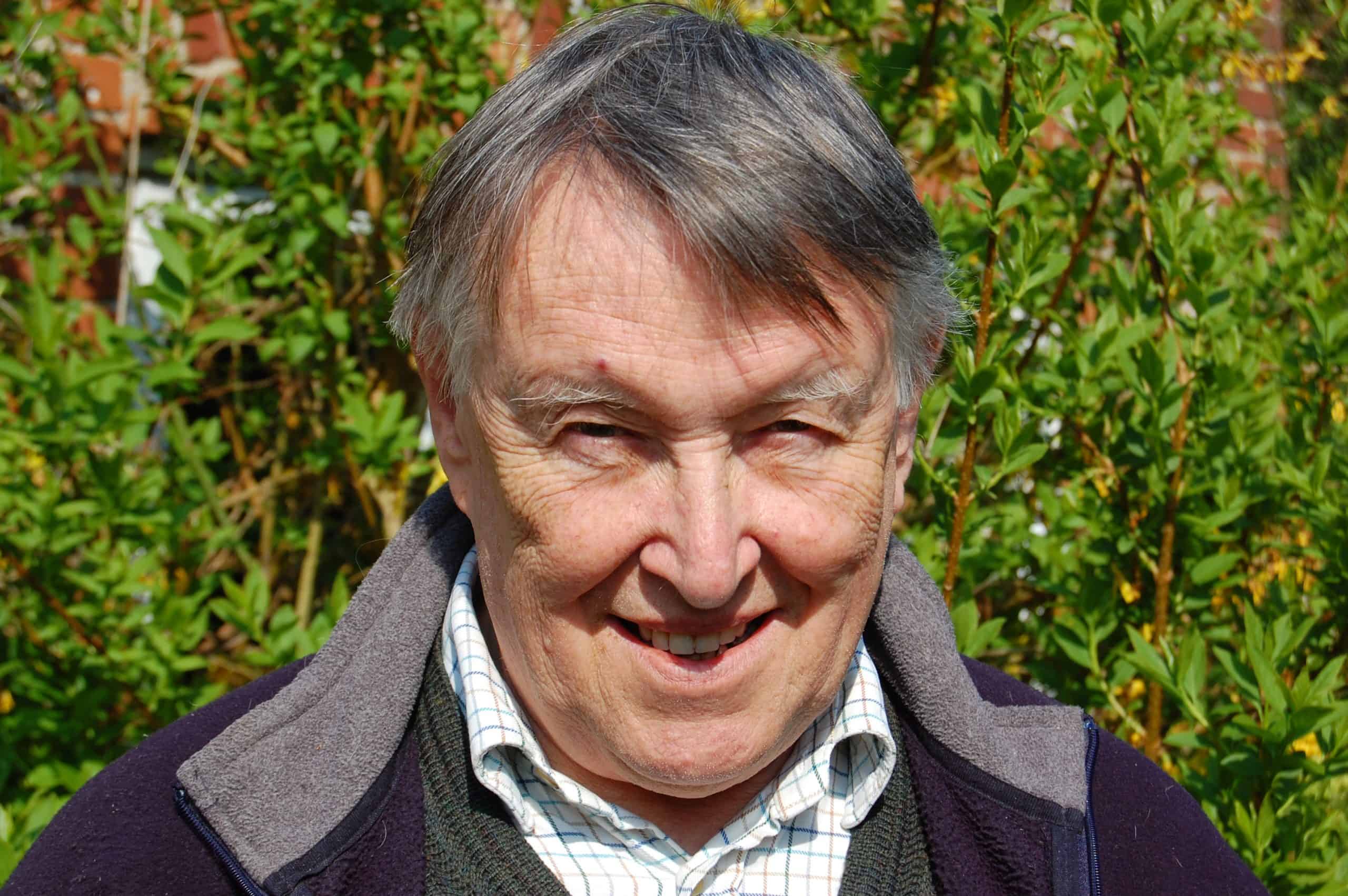
Gordon Crosse (1 Dec 1937 – 21 Nov 2021)
Gordon Crosse was born in Bury, Lancashire, where his father worked for the Midland Bank, on 1st December 1937. Though plagued by illness for much of his life (see Crosse’s own notes, appended to this article) his father was a talented amateur pianist, organist and cellist, as well as an ingenious amateur inventor and engineer. The family moved to Cheadle Hulme when his father was transferred to the Bank’s Cheadle Branch, and Gordon attended Cheadle Hulme School, whose other musical alumni have included the composer Peter Hope and the announcer and Strictly contestant Katie Derham, as well as the broadcaster Nick Robinson – a distinguished roll call indeed! Crosse wrote A Cheshire Man for performance at the School for Peter Hope’s 90th birthday, but alas the pandemic forced cancellation of that concert, among many others.
Crosse gained a first class degree in Music from St. Edmund Hall Oxford, where his tutors included Wellesz, in 1961, and he then went to Rome on an Italian Government Scholarship, where he attended Petrassi’s classes at the Accademia di Santa Cecilia. On his return he worked briefly for the WEA and researched early fifteenth century music. He was appointed Haywood Research Fellow at Birmingham University, a post he held from 1966 to 1969. His colleagues and friends at Birmingham included both Peter Dickinson and David Munrow, and in memory of the latter he was later to write a beautiful elegy, Verses in Memoriam David Munrow, and subsequently A Wake Again. He was snapped up by the Oxford University Press as a house composer shortly after his Oxford degree, his first publication being Two Christmas Songs, to Latin texts, in two parts, for female voices, which were published by the Press in 1963. Other works from this early period included Three Inventions for flute and clarinet, a first (of two) violin concertos (Concerto da Camera), Villanelles for chamber ensemble, and Corpus Christi Carol for soprano, clarinet and string quartet
His Opus 1 was actually a first Elegy For orchestra (performed by the Halle in April 1962 at Manchester’s Free Trade Hall under Maurice Handford in an SPNM open rehearsal concert). Within a very short time, his works were being regularly commissioned and performed to great acclaim – works such as the oratorio Changes, Ariadne for oboe and small ensemble, and the orchestral song cycles For the Unfallen, and Memories of Night: Morning. A strong literary bent became quickly evident in his music, the words of these last two cycles being by the poet Geoffrey Hill and the novelist Jean Rhys respectively. Gordon’s fellow Mancunian and great friend Alan Garner (he of The Weirdstone of Brisingamen) wrote the text for two works for children, the mini-operas Potter Thompson and Holly from the Bongs. This friendship was later celebrated many years later by Gordon’s Chimney Piece, for recorder, clarinet and viola, performed in the enormous fireplace in part of Alan Garner’s medieval home, the Medicine House (re-erected by the author next to his original cottage, Toad Hall). It was written in fulfilment of a long-standing promise, for Alan’s eightieth birthday.
Gordon’s other principal literary collaborator was the Poet Laureate Ted Hughes, with whom he wrote the popular children’s cantata Meet my Folks and the children’s cantata The Demon of Adachigahara. Hughes also provided the translated libretto for his opera The Story of Vasco.
Another literary connection was with the Royal Exchange Theatre Director Michael Elliott, who commissioned from him incidental music for productions at the theatre, notably Philoctetes by Sophocles (the beautiful Lullaby from which was later rearranged as Lullaby – TBP His Goodnight as a tribute to his fellow Mancunian composer Thomas Pitfield on his eightieth birthday). His last incidental music was for the Granada television production of King Lear, in which I had to play, in full costume, a gemshorn part. I also lent my medieval harp for the recording. Being rather short sighted I pinned my enlarged music to the costume of the performer in front, but I need not have worried. Laurence Olivier (everyone referred to him, solicitously, as Sir), could not remember more than about two lines at a time, so Lear’s death scene was constructed of innumerable tiny snippets joined together. As a result the players were in vision for merely a second or two, much to my chagrin. The DVD is still available.
One of the first operas performed at the newly formed Royal Northern College of Music was Gordon’s 1966 opera Purgatory, on a short play by Yeats (it was paired with Walton’s The Bear). The first Principal of the RNCM was John (later Sir John) Manduell, whom he had known well since Birmingham days, when Sir John was in charge of BBC radio 3 output there. They had travelled to Warsaw together to listen to music by Penderecki and other . Later operas were The Grace of Todd (for the English Opera group, Aldeburgh, 1969) and The Story of Vasco (Sadlers Wells, 1974, though started in 1968), but the latter was not a success. Some of the music was reworked for the orchestral Some Marches on a Ground (1970). Ballet also figures in Gordon’s output. Young Apollo, for The Royal Ballet, extended Britten’s short fanfare for piano and strings into a full-length ballet. Playground, (also for The Royal Ballet) was an arrangement of material from his children’s opera Potter Thompson, and Wildboy was arranged for orchestra for the American Ballet Theatre, with Baryshnikov in the title role.
The Aldeburgh music scene very much appealed to Gordon, as he had always greatly admired the music of Benjamin Britten. Gordon in fact met his wife Elizabeth Bunch in the porch of Orford Church during an Aldeburgh Festival. Her parents had retired to a cottage in nearby Walberswick, and Gordon and Elizabeth bought a rambling house in Wenhaston, near Blythburgh. He and Elizabeth, who succumbed to cancer in 2011, had two sons, both of whom became distinguished in their respective businesses. Jo is a motor cycle engineer, specialising in BMS motor cycles. Gabriel is a highly respected events stager, for political conferences, music festivals and the like. Almost certainly Britten’s own many works for children were an inspiration for Gordon’s own pieces for children, among which were Meet my Folks (premiered in 1964 at the Aldeburgh Festival), The Demon of Adachigahara for Shropshire schools, and Rats Away. A late work for children was A Chethams Suite for String Orchestra (2019), composed for the Junior Orchestra of Chetham’s School in Manchester.
He had always found it difficult to write to deadlines, and a slew of bad reviews, mostly unwarranted, resulted in “the silence”. In particular, the poor reception of The Story of Vasco, his Trumpet Concerto, written for and premiered at the Proms by Hakan Hardenberger, and a fiasco over Sea Psalms, with an uncompleted premiere and inaccurate parts, commissioned for Glasgow as City of Culture, were all setbacks, and eventually prompted a change of career. He became a computer programmer, writing programmes for Cadburys and others. He frequently told me that this work utilised the same brain cells as composition. But it certainly did not need the same imagination, and I regularly pestered him to get back to the music.
Along with his composing, Gordon had several academic posts, at Essex University, Kings College Cambridge (where he was a Visiting Fellow), The University of California Santa Barbara (where he joined on the staff his fellow Brit Peter Racine Fricker), and the Royal Academy of Music in London.
Elizabeth died of cancer in 2011. He found solace in attending the Quaker Meeting House in Leiston. Through his connections there he met the poet Wendy Mulford, who became his companion in his later years. Together they purchased a house on the shores of Papa Westray, the northern-most the Orkney Islands, and this resulted in several works inspired by the local landscape and wildlife. For me he wrote the last of his concertante works for solo wind instruments (a project inspired by Nielsen’s unfulfilled ambition to write a concerto for all the instruments in the woodwind family), On the Shoreline. The piece, written in just a few days, is based on the cries of fulmars and sanderlings outside their window. The others, following on from his early success with Ariadne (now a standard piece for oboists) were Thel for flute, Wildboy for clarinet (later revised for Psappha as L.Enfant Sauvage), Gremlins for bassoon, and Ceili De for horn.
The silence was finally broken in 2008, when he had retired from computer programming. I persuaded him to write a work for the eightieth birthday of his old friend Sir John Manduell. This was a cycle of songs to words by another favourite author, Rudyard Kipling. The initial impetus was a setting of Gertrude’s Prayer, originally composed in 1988 for the first BP Peter Pears Singing Competition, which he now arranged for soprano, recorder, oboe, violin and cello, an ensemble used in the celebrations, and scored for also by Manduell himself, Edward Gregson, Philip Grange, Sally Beamish, Elis Pehkonen, David Beck and Anthony Gilbert. The other songs in the cycle (Three Kipling Songs) were L’Envoi and Four Feet (in which my recorder imitates a dog-whistle – Gordon and his sister Peggy were both great dog-lovers). The cycle was premiered in Bowness (two of the songs) and London (with the addition of L’Envoi) in 2008.
Then the flood gates opened. There followed in quick succession a Fantasia on “Ca’ the Yowes” for recorder, strings and harp, Brief Encounter for recorder, oboe d’amore and strings and a Trio (Rhyming with Everything) for oboe violin and cello. This last piece takes its title from a poem inCarol Ann Duffy’s collection of love poems “Rapture” and explores romantic passion. It quotes from a well-known song by Henry Carey, which was frequently sung by Gordon’s friend Peter Pears, whose rendition was much admired by Gordon. He wrote: “The Summer and Autumn of 2009 was the most exciting and productive period I have ever experienced. I had returned to composing after a break of some 18 years and I found I couldn’t stop working. The music was simpler than it was in 1990 but I think more communicative because more concentrated and focused.“
After that the flood became a torrent with a third Elegy: Ad Patrem, in memory of his adored father (see the appended note), The Barley Bird for a festival in nearby Beccles (conducted by another Suffolk resident Elgar Howarth), three more symphonies, three piano sonatas, five new string quartets (one for the 150th anniversary of the Meeting House in Leiston), a viola concerto (drawing material from the earlier trumpet concerto) and a host of shorter instrumental and choral pieces for friends and colleagues, mainly written just for pleasure. It is a treasure trove for future exploration. His stated aim was to strive for “a blend of elegance and passion that I always try to achieve in my own music, though I succeed but rarely.” Very frequently, others would say. His last piece was Déploration, in tribute to his late friend Peter Maxwell Davies. He told me, with his wry sense of humour, how sorry that he had not managed to get round to writing one for himself!
In conclusion, I should mention how my own friendship with Gordon started. I had known of him through a clarinet playing schoolfriend who was studying nuclear physics at Oxford, Alec Hill, and who was one of the first members of Cornelius Cardew’s Scratch Orchestra. Alec knew both Gordon and the composer Bill Hopkins at Oxford, and had a manuscript copy of his duets for flute and clarinet, which we played through. A few years later, with my legal hat on, I was frequently instructed to prepare wills for staff and customers of the Midland Bank, and I was introduced to a certain Percy Crosse, who lived in Davenport, Stockport, not far from my old school. On enquiring if he was any relation to the composer, I was told that he was his father, and he in turn introduced me to Gordon. Percy, with his engineering skills, made me one of the first electronic metronomes, which I still have and use. It remains a treasured possession! And of course I treasure the many pieces that Gordon wrote for me. His late Three Twitchings for recorder and piano were dedicated to “John Turner, who helped raise me from the dead”. I am proud of that!
Addendum
Composer’s note on Ad Patrem (as yet unperformed)
My father, Percy Broughall Crosse. was born September 2nd 1907 in Ambleside – then in the county of Westmorland. He died in Sept 1987 and his life seems to me inspirational as a model of tragedies and frustrations borne and overcome by sweetness of character and extraordinary determination. He was an exceptionally intelligent man who in the normal course of events would have gone to university to study engineering – but his father died when he was 16, his mother could not handle the financial difficulties and he had to start work in the bank – the Midland at Bowness. Engineering became a hobby along with Music at which he was very gifted. He played piano, organ and cello. I am quite ashamed that as a professional musician I never began to achieve his high standards as a performer. The bank moved him to Fleetwood in Lancashire where he met and married Marie Postlethwaite my mother. He was then moved to Bury, Lancashire, where I was born in 1937. It was typical of his character that the banking career that had been forced upon him was pursued with the full energy and commitment he brought to everything and he seemed destined for a high position.
All such hopes were destroyed after 1939 – not just by the outbreak of war but by the beginnings of a “Arthritic” disorder that was eventually known as Ankylosing Spondylitis but was not diagnosed correctly for many years. He was drafted into the RAF despite this and after working in Radar he was invalided out within the year. At this point he was moved to a slightly less busy branch in Cheadle, Cheahire and we moved to the village of Cheadle Hulme. While trying to return to work in the bank he suffered from medical mismanagement including two years in hospital with hip plaster and undergoing traction. When I tell medical friends of this they are horrified. By the end of the war he had locked hip joints and a rigid spine and needed to walk with two sticks. He had also been forced to leave the bank and needed an income for his enlarged family – my sister Peggy was born in 1944. His engineering skills were called on and he did many small contracts manufacturing demonstration and advertising items. His home workshop grew and the weight of lathes, milling machines and drills threatened to drop through the attic floor. So we moved again – to Stockport where his workshops could occupy the whole of the basement area. He got a job with a local engineering firm – working from home as a Model Engineer and I recall in particular his working scale model of a Baum Coal Washery Plant that took three years to build. My modest contribution was the regular cutting to length of batches of rivets, and helping to pick up from the floor the small items that he continually dropped and was unable to bend and retrieve.
There was no end to his ingenuity in overcoming his disability – the word “Can’t” didn’t seem to exist. Motor cars were modified, stairlifts built and he had the ability to repair almost any household item – from a watch to a radio. Meanwhile he kept up his musical interests – making a tower of cushions and small stools on top of the piano stool so he could continue to play Chopin, and building amazing hi-fi systems with huge speakers in concrete pipes to play his beloved Wagner records.
Mother died suddenly and unexpectedly in 1981 and dad’s retirement was pretty lonely, though he remained amazingly cheerful and forward looking. He never stopped making things (usually some electronics project or other) until glaucoma killed his eyesight. Then with the realism and practicality he always showed he decided to sell our house and moved into a home while he was still capable of organising things. Only in the last few weeks when he suffered blood-poisoning and became halucinatory did he lose the ability to think clearly. His final days in hospital were typical – finding his bedside chair too uncomfortable he analysed the problem and proposed the solution. His last words to me were “I must do something about that”. The philosophy of his whole life. At every reverse or disaster he thought of the way ahead.
Perhaps only music can express my feelings about the man. He was the kindest and most encouraging of fathers and I always felt I was composing specially for him. After his death it was harder and harder to have any enthusiasm for writing. But now, over twenty years later I finally feel up to it. The result is this third orchestral elegy – a single movement like the previous two. Written for a small orchestra with single wind, few strings and very little percussion. In this Elegy the Harp is prominent.
Ad Patrem – Elegy Number Three for Small Orchestra (2009)
have built the piece around the places where he lived. Each place name providing a key. Ambleside – A major/minor. Fleetwood F major/ minor. Bury B-flat and Cheadle Hulme C major and B minor. Finally Stockport in E-flat. Father’s tastes were essentially simple, direct and conservative so I have tried to keep my language tonal and direct as well. It is also rather pictorial and includes references to several of Father’s favourite composers – notably the fateful rhythm of Siegfried’s Funeral March which comes in every section, and pieces like Chopin’s F minor Fantasy and Debussy’s First Arabesque both of which he used to play to me when I was a child. Finally, I have based most of the material on a song I wrote recently; a setting of “Fear No More The Heat O’ the Sun”.
First Ambleside – misty dawn, wisps of fog over Loughrigg, distant horns on the fell. Father was an athletic and sporting young man and here I imagine him hastening to school with a simple tune that acquires some “learned” counterpoints. Then the blow of fate and disorder.
Fleetwood – Seaside,,the remembered sound of the Isle of Man boats and their fog horns. There is no Midland Bank now so the notes HSBC are used. The rhythm of Marie Postlethwaite leads quickly to Wedding Bells.
Bury – Back amongst moorland hillsides but in Industrial Lancashire. So the “wisps of fog” are now smog and haze. At the climax of this section the Funeral March rhythm shatters distant recollections of the “Schoolhouse” tune of the first section.
We then move to Cheshire via the “Souling” song and in Cheadle Hulme Father patiently re-invents himself with a fugal treatment of the Schoolhouse tune and my sister pEGGy appears.
The final Stockport section extends my Shakespeare Setting and for the third time the “wisps” of fog reappear – this time to represent the mental fogs of Blood Poisoning. The end is serene – as father was nearly all his life.
There was much activity over the weekend of 5/6 November at the Church of St John the Evangelist in Oxford, for the recording of a new album of ballet music by Prokofiev, transcribed for clarinet and piano – all first recordings of these versions. While some are brand new arrangements by clarinettists Ian Scott and Malcolm McMillan, others were prepared by Br. Prorvicha in 1935 (Romeo & Juliet) and 1945 (Cinderella).
The clarinet soloist is Ian Scott, whose very recent release ‘From Russia’ (DDA 25223, September 2021) is attracting much interest and regular radio play.
Ian Scott explains:
“It was in the orchestra pit during a run of Prokofiev’s Cinderella ballet that I came up with the idea of recording the suites from Cinderella and Romeo & Juliet arranged for clarinet and piano. Two suites had been arranged for clarinet many years ago in Russia and I set about expanding those movements with the help of my producer and fellow clarinettist Malcolm McMillan, who sat next to me in the pit for fifteen years. The lion’s share of the solos in these ballets in their original orchestral format are played by the clarinet, some achingly beautiful and some quirky and amusing, so I felt justified in presenting this unique version.”
The recording will be scheduled for release in the late spring/early summer of 2022.
Ian Scott is the principal clarinet of the Royal Ballet Sinfonia, having previously held the same post with the Gulbenkian Orchestra in Lisbon. Born in Perth, Scotland, he studied initially with Charles Maynes, then with Henry Morrison at the Royal Scottish Academy of Music and Drama, subsequently journeying to the University of Arizona to study with leading British clarinettist John Denman. He has been a guest principal with major London orchestras, and appeared as soloist with I Solisti Veneti and the Orchestra da Camera in Padova, as well as the Gulbenkian Orchestra on tour in the Far East. He has previously recorded British clarinet concertos for ASV White Line and Dutton Epoch, the latter including world-premiere recordings of Leighton Lucas and Humphrey Procter-Gregg concertos and most recently an album of Russian music for Divine Art.
Jonathan Higgins is Principal Pianist of Birmingham Royal Ballet. He made his Royal Opera House debut in 1993 performing with BRB in Concerto and has since returned to perform numerous times with the company. He made his Royal Ballet debut in 2010 playing in Concerto and has since returned to play in Rhapsody for The Royal Ballet. Higgins studied at Cambridge University and the Royal College of Music, winning all the major piano prizes. He subsequently pursued a freelance career making several BBC radio broadcasts and giving Prom performances of Bartók’s Sonata for Two Pianos and Percussion (1984) and Stravinsky’s Les Noces (1987). He first worked in ballet in 1983 and joined Sadler’s Wells Royal Ballet (later BRB) in 1987, becoming Company Pianist in 1990 and Principal Pianist in 1995. Since 1999 Higgins has taken part in the summer festival in Neuchatel, Switzerland, giving solo and chamber recitals.
Prokofiev: Cinderella and Romeo & Juliet – Ballet Suite (DDA 25232)
Cinderella, Ballet Suite, Op. 87
The Dancing Lesson / The Winter Fairy/ Passepied / Adagio (arranged by Prorvicha)
Oriental Dance / Kubishka Variation
Summer Fairy / Grasshoppers / Spring Fairy
Dance of the Cavaliers / Grand Waltz (arranged by Scott/McMillan)
Romeo & Juliet, Ballet Suite, Op. 64
Entrance of Juliet / Masks
Dance of the Knights / Mercutio (arranged by Prorvicha)
Dance of the girls with lilies / Gavotte
Scene / Adagio dramatico
Letter Scene / The Nurse (arranged by Scott/McMillan)
Recorded on 5/6 November 2021 at St John the Evangelist, Oxford, England
March 2022 will see the release of a piano recital album on the Divine Art label by the young virtuoso Tom Hicks, the principal works being the Sonatas of Franz Liszt and John Ireland.
Tom Hicks’ first disc featuring John Ireland’s Sarnia, ‘Tom Hicks: Ireland and Tchaikovsky’ has been described as ‘brilliantly evocative’ by Colin Clarke in International Piano, and ‘gorgeously creative’ by Scott Noriega in Fanfare. Hicks’ island home of Guernsey (‘Sarnia’) is his connection to John Ireland who visited the Channel Islands frequently in the early 20th Century and lived there for a period before having to be evacuated prior to the German occupation in WWII. Cover art by Wendy Heaume depicts Castle Cornet and the St Peter Port Lighthouse as Ireland would have seen them on that fateful voyage.
Ireland’s Sonata is the composer’s other major work for piano and is central to two historical explorations running through the programme of this disc. On the one hand, the Liszt B minor Sonata is contrasted with what Lisa Hardy described as the ‘outstanding example of all British piano sonatas’. Ralph Hill was the first to compare the two masterpieces and viewed the Ireland favourably, bemoaning its neglect amongst pianists. It was also Liszt’s pupil, Frederic Lamond, who gave the premiere of Ireland’s Sonata at the Wigmore Hall in 1920.
The second historical exploration is that of Charles Stanford’s Royal College of Music class. This is especially appealing because of the opportunity to feature traditionally underrepresented composers. Charming and varied character pieces by Samuel Coleridge-Taylor, Rebecca Clarke and Stanford himself introduce the two major sonatas that follow.
Recording began in early 2021 during Guernsey’s second lockdown at St James Concert Hall. The CD is backed by the John Ireland Trust and the Guernsey Arts Commission and is scheduled for release with Divine Art in March 2022.
Tom Hicks
Hailed as an artist of ‘magnificent pianism’, Guernsey-born pianist Tom Hicks has been praised for his ‘gorgeously creative playing’ that ‘transports the listener to another place and time’. Hicks is a gold medallist in numerous national and international competitions and holds degrees and awards from The University of Manchester, The Royal Northern College of Music, Yale University and Northwestern University. His teachers have included Mervyn Grand, Murray McLachlan, Boris Berman and James Giles.
As a recitalist and collaborator, Hicks has appeared at venues including The Wigmore Hall and St Martin in the Fields in London. He has appeared as concerto soloist on more than 50 occasions including complete cycles of the Rachmaninoff and Brahms concertos. His 2019 recording of Ireland’s Sarnia and Tchaikovsky’s The Seasons has been widely praised and he is currently collaborating with the British composer, Camden Reeves, on an album of Blues-inspired pieces for release with Divine Art’s new-music imprint Métier in 2022 (“Blue Sounds for Piano” – Métier MSV 28604)
Ireland – Liszt: Sonatas (DDA 25227)
Works
Charles Stanford: 24 Preludes, Op. 163 – No. 24 in B minor & No. 5 in D major
Samuel Coleridge-Taylor: Three-Fours, Op. 71 – No. 2 Andante
Rebecca Clarke: Cortège
John Ireland: Sonata for Piano
Franz Liszt: Piano Sonata in B minor
Recorded in September 2021 at St James Concert Hall, Guernsey Recorded by Flexagon Mastering and editing by Mill Media, Manchester
American pianist James Iman has signed up with Divine Art’s new music division, Métier Records, for three albums of modern and contemporary music. The first to appear, featuring works by Schoenberg, Boulez, Webern and Gilbert Amy, is likely to see release around April 2022 and is in fact a re-issue, having been previously released (for a short time only) by the now-defunct Belgian label ZeD in 2017. Divine Art CEO Stephen Sutton is delighted:
“We are absolutely thrilled to be working with an artist of James’s calibre. His championing of contemporary composers including those from diverse ethnic and social backgrounds is wonderful and fits perfectly with the ethos of the Métier label.”
The re-issue of this very fine debut album heralds two new recordings, to be made in the early months of 2022: the first will include Debussy’s Images, Donald Martino’s fantasies and Impromptus, and Jenny Beck’s Stand Still Here, while the second features the Sonata Op. 1 by Alban Berg, B for Sonata by Betsy Jonas, Ein Hauch van Unzelt II by Klaus Hüber and Morton Feldman’s Last Pieces.
The pianist has provided this note:
“I’ve always been drawn to the obscure. In some ways that might be why I pursued classical music in the first place—growing up in Appalachia, it wasn’t the most ubiquitous genre of music. It’s certainly why I’ve focused my efforts as a performer and researcher on the music of the twentieth and twenty-first centuries. It’s also at the heart of my first album.
Pierre Boulez is undeniably one of the most important and influential figures in twentieth century music. His Third Piano Sonata is one of the most significant contributions to the piano repertoire and because of its mobile structure, is one of the most important works in music history. It’s a work that I have played and lectured on for years, so I knew it had to be the nexus for the rest of the album.
The only other work comparable in scale is the virtually unknown Piano Sonata by Gilbert Amy—a work I knew through my research on Boulez’s Third Piano Sonata. The Amy sonata also has a mobile structure and explores the same philosophical question—how does one maintain coherence in a work whose parts can be rearranged? —but Amy approaches it from a rather different perspective than Boulez. With those two works selected, I wanted to provide an overarching context.
The way Arnold Schoenberg wrote for the piano in his Drei Klavierstücke op.11 served as a model for Boulez and how he wrote for the instrument (the influence can be seen in many of the Darmstadt school). They’re also wonderful, deeply expressive pieces and serve as an emotional counter-balance to the Boulez and Amy. Anton Webern exerted the greatest influence over the composers of the Darmstadt School, both for how he employed twelve-tone technique and the textures he created in his music. By Karlheinz Stockhausen’s account, the performance of Webern’s Variations op.27 at Darmstadt was something of a religious experience and gave rise to the term “star music” to describe it. It’s also a work that Amy played while studying with Yvonne Loriod at the Paris Conservatoire and its influence can be seen right at the surface of Amy’s Piano Sonata.” James Iman
James Iman
Pianist James Iman plays the usual and the unusual, by composers known and unknown. As a specialist in music written since 1900—with an emphasis on music written since 1945—his repertoire spans many stylistic developments since Debussy. He is meticulous in his study of the scores and the aesthetic concepts behind each of the works he plays. This allows him to find fresh approaches to established canonic warhorses and to make complex contemporary works engaging and immediately clear to audiences. Frances Wilson of The Cross-Eyed Pianist heralded James as among the few pianists who can “rise to the challenge of this music and meet it head on with conviction, musicality, and a supreme alertness to its myriad details and quirks” and as a performer he gives “a very clear sense of his total commitment to this music, and also how comfortable he feels in this repertoire.”
James is constantly looking for new and interesting works to add to his repertoire and curates his programs with an interest in diversity, contrast, and continuity. He is a vocal advocate of underrepresented composers and frequently performs music by women, BIPOC, and LGBTQIA+ composers. He has appeared on Chatham University’s Friday Afternoon Musicales concert series in which he has presented four programs of works by female composers.
James has given world premieres of works by Charlie Wilmoth, David Dies, and Everette Minchew and United States premieres of works by Gilbert Amy, Alwynne Pritchard, Raphaël Languillat, and Soe Tjen Marching. In April of 2017, James gave the World Premiere of “People,” a concert-length work he commissioned from composer Lowell Fuchs. In addition to his activities as a performer, James is active as a lecturer and clinician. He is a frequent guest lecturer on contemporary music at Shenandoah Conservatory, and has been a resident at the University of North Carolina at Greensboro and at Grand Valley State University giving master classes for pianists and clinics with composition students.
Album details: Label: Métier Catalog number: MSV 28627 Performer: James Iman Works: Drie Klavierstücke, Op. 11 (Arnold Schoenberg) Third Piano Sonata (Pierre Boulez) Variationen für Klavier, Op. 27 (Anton Webern) Piano Sonata (Gilbert Amy)
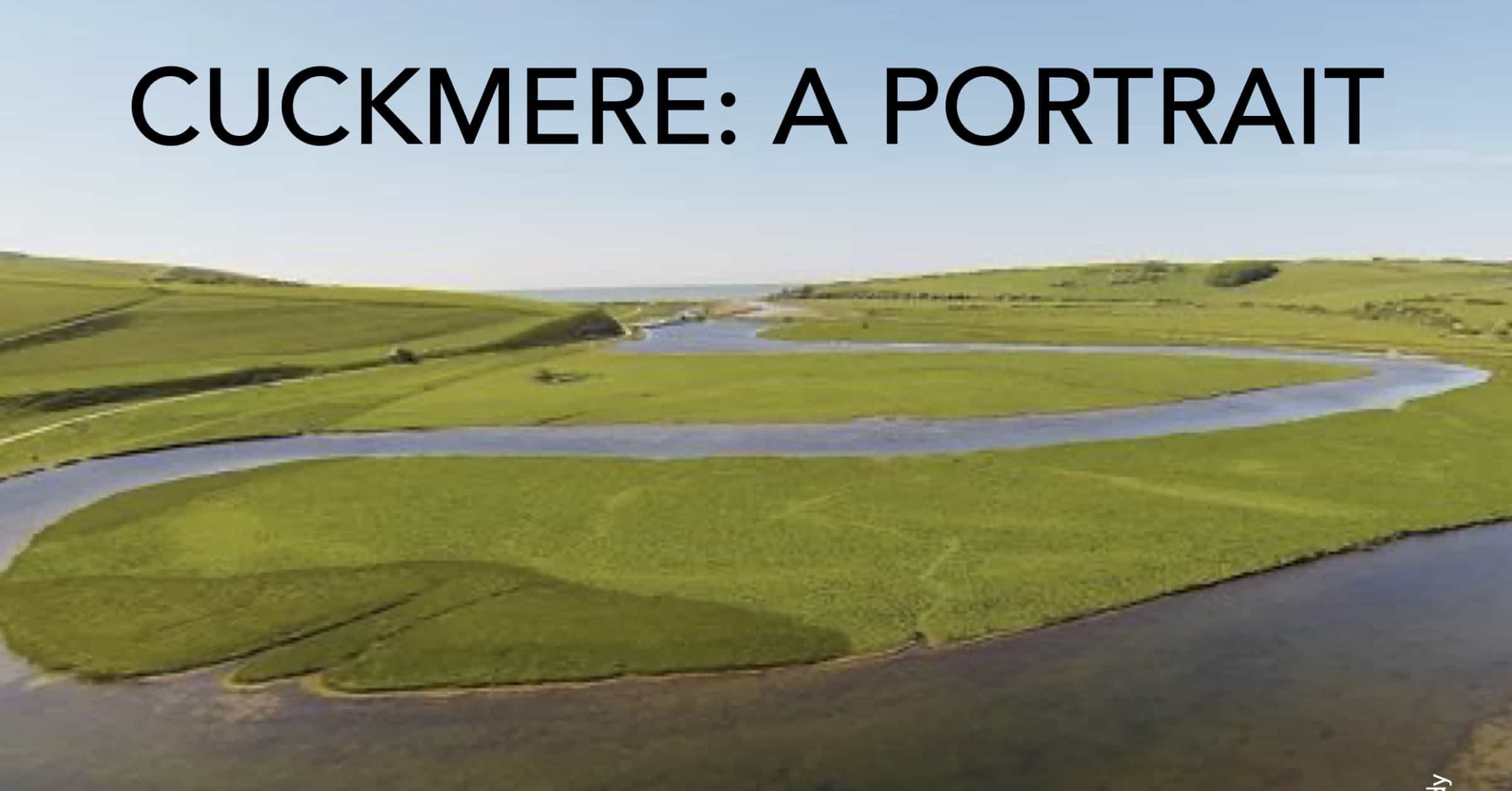
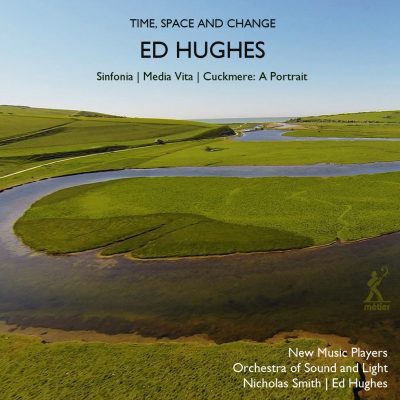
Ed Hughes’s The Cuckmere Soundwalk has been nominated for an Ivors Academy Ivor Novello Award in the Sound Art category. The Soundwalk is on the Echoes Interactive Sound Walks App and features movements from Ed’s 2018 Brighton Festival commission ‘Cuckmere: A Portrait’, performed live with Cesca Eaton’s glorious 30’ film.
Echoes App users can download the walk on their phones and explore the iconic Cuckmere River and Cuckmere Haven in East Sussex whilst listening to Ed’s music performed by the Orchestra of Sound and Light. Download the free Echoes app on the App Store and Google Play.
BBC Radio 3’s Breakfast show featured ’Spring’ from ‘Cuckmere: A Portrait’ in this morning’s coverage of the Awards. The Award winners will be announced on 8 December.
You can hear Ed talking about the Soundwalk at Cuckmere Haven on BBC South East Today here.
Ed Hughes Performance Premiere
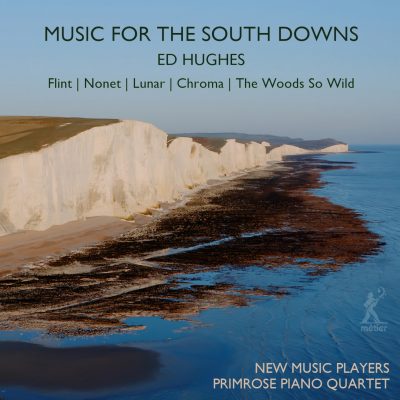
On Saturday 27 November the Primrose Piano Quartet premiere Ed Hughes’s ‘The Woods So Wild’ in Lewes, East Sussex. Tickets here.
Ed says:
”My new piano quartet ’The Woods So Wild’ is infused with fragments of a popular Tudor song, possibly sung by Henry VIII. The tune also inspired sets of keyboard variations by Elizabethan composers William Byrd and Orlando Gibbons. Building on my string ensemble work ‘Flint’, which contained dream-like echoes of a Sussex folk song, ‘The Woods So Wild’ meditates on an ancient melody whose origins are long-lost but which bears peculiarly English qualities – a complex of characteristics including a deep love of landscape and a restless spirit in search of love and reconciliation.’’
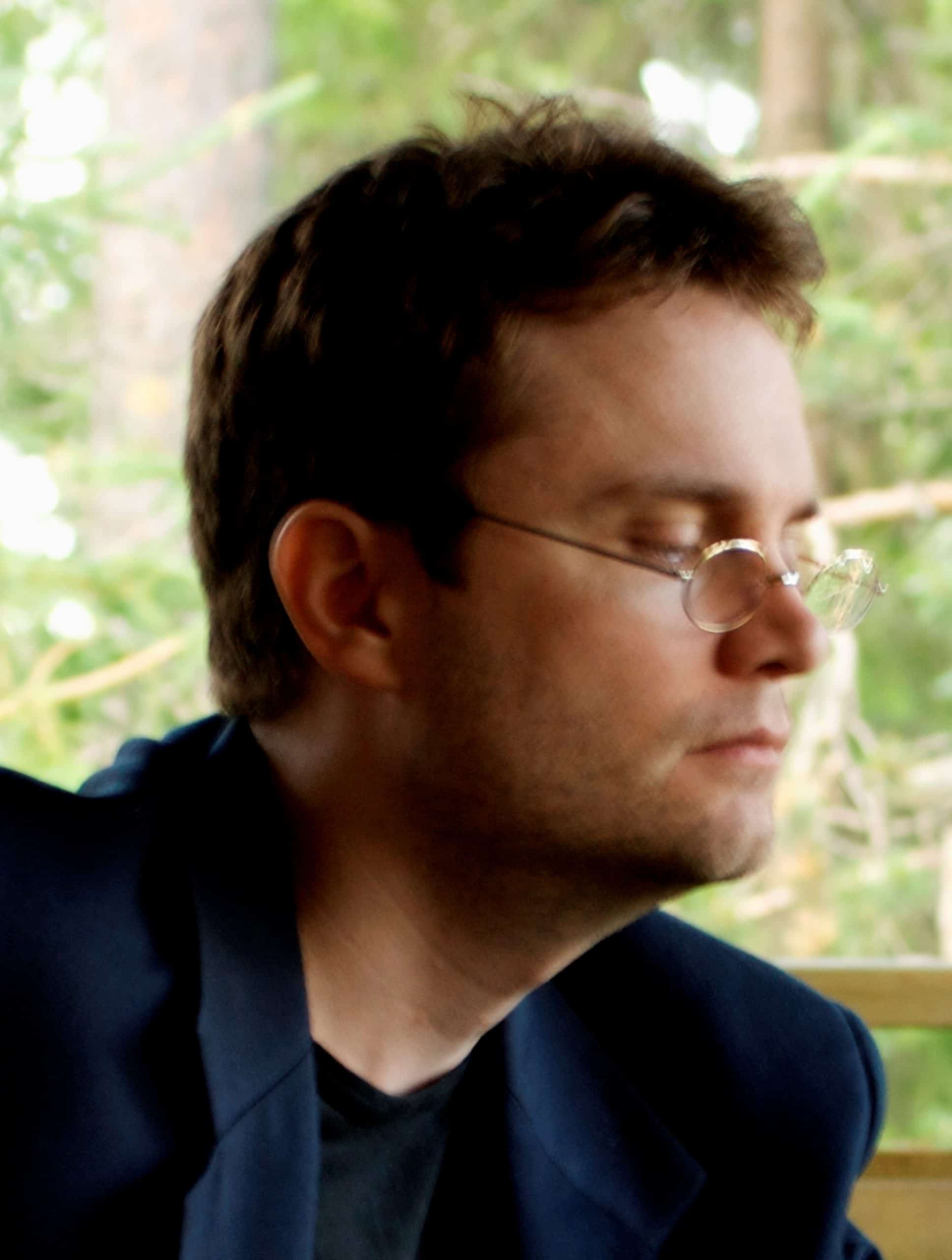
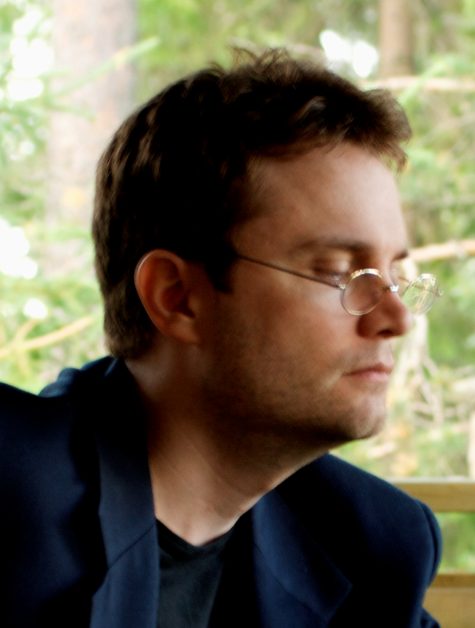
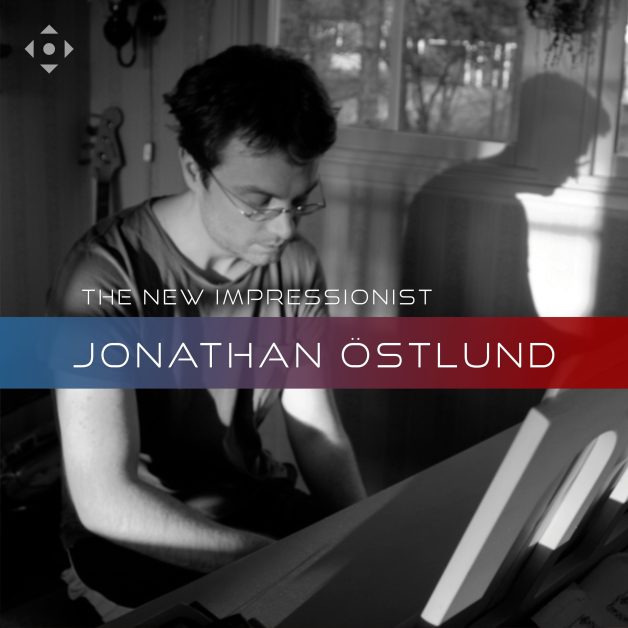
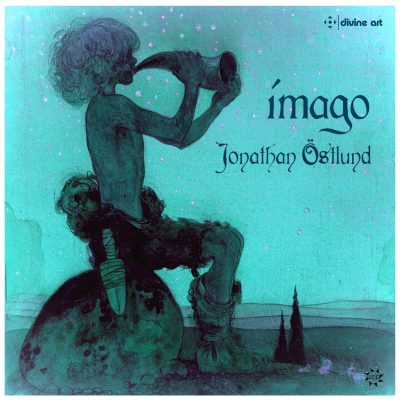
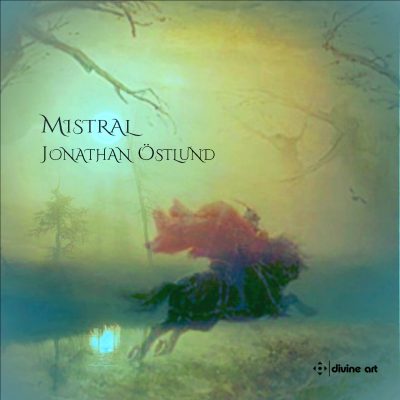
Following the release of three previous albums by Swedish composer Jonathan Östlund – Lunaris, DDA 21226 (2016); Voyages, DDA 21232 (2019); and Mistral, DDA 25199 (2020), Divine Art’s CEO Stephen Sutton has announced another two new double albums of music. The first, Imago, appeared in a semi-private release in 2020 (available only via the website of ‘Miss Flute’) arranged by flutist Myriam Hidber Dickinson; the album is now being given full worldwide distribution in CD and digital formats and is scheduled for release in February 2022.
A new double album, to be titled Elysian, is in progress – mostly recorded, with some sessions still to be arranged, having been delayed due to the pandemic, and is likely to hit the streets in the summer (full details will be announced in due course).
Jonathan Östlund (b.1975) writes for a wonderfully diverse range of instruments and voices, and each of his albums contains a panoply of varied works, performed by hand-picked musicians – hence the very long artist credits for his recordings. His major influence is nature – landscapes and locations, birds and animals, and a keen sense of atmosphere in his mainly Impressionist works – leading to such praise as in the quote above. However he is also fascinated by the re-setting of older works by the master composers – sometimes with melodies quoted sympathetically in his music or as on his latest album, more overt transcriptions and paraphrases.
Both these new albums are full of the warm, melodic yet totally individual pieces that in ‘Lunaris’, attracted exceptional reviews internationally, including:
“A fascinating canvas, full of color. Östlund clearly has much to say, and he says it in a consistently interesting manner. Fully worthy of investigation“ – Colin Clarke (Fanfare)
“Markedly original. [I] feel enriched by stepping into his world of fancy free.” – Huntley Dent (Fanfare)
“This lyrical new music has an individual sound and is in turn picturesque and witty. Timeless and sophisticated music.” – John Pitt (New Classics)
“Östlund seems to have no end to his reservoir of inspiration.” – Remy Franck (Pizzicato)
IMAGO (DDA 21239)
Jonathan Östlund Playlist on Spotify
Works
Imago Theme / L’eau de l’oubli / Paraphrase on Bach’s ‘Siciliano’ / Fantasia on Bach’s ‘Toccata in D minor’
Les Oiseaux et François / Arrangement of Reger’s ‘Mariä Wiegenlied’ / La Neige de Noël
Paraphrase on Bach’s ‘Komm süßer Tod, komm selge Ruh’ / La nuite étoilée
Mondspiegel: Paraphrase on Beethoven’s Moonlight Sonata, mvt. 1 / Turquoise Spring
Rêve et Lune Duet / Night of June / Lumières de jardin / Will-o’-the-Wisp
Midnight Hour / Zephyr / Titania / Swedish Folk-dance
Dance on Glowing Strings (Swedish Rhapsody) / La Sirena / Castel Caracal
A True Love of Mine (Fantasia on Scarborough Fair)
Bouquet – Suite for two clarinets (7 movements)
Traumgewalt / The Jester / La Flûte Rêveuse / Imago Theme 2
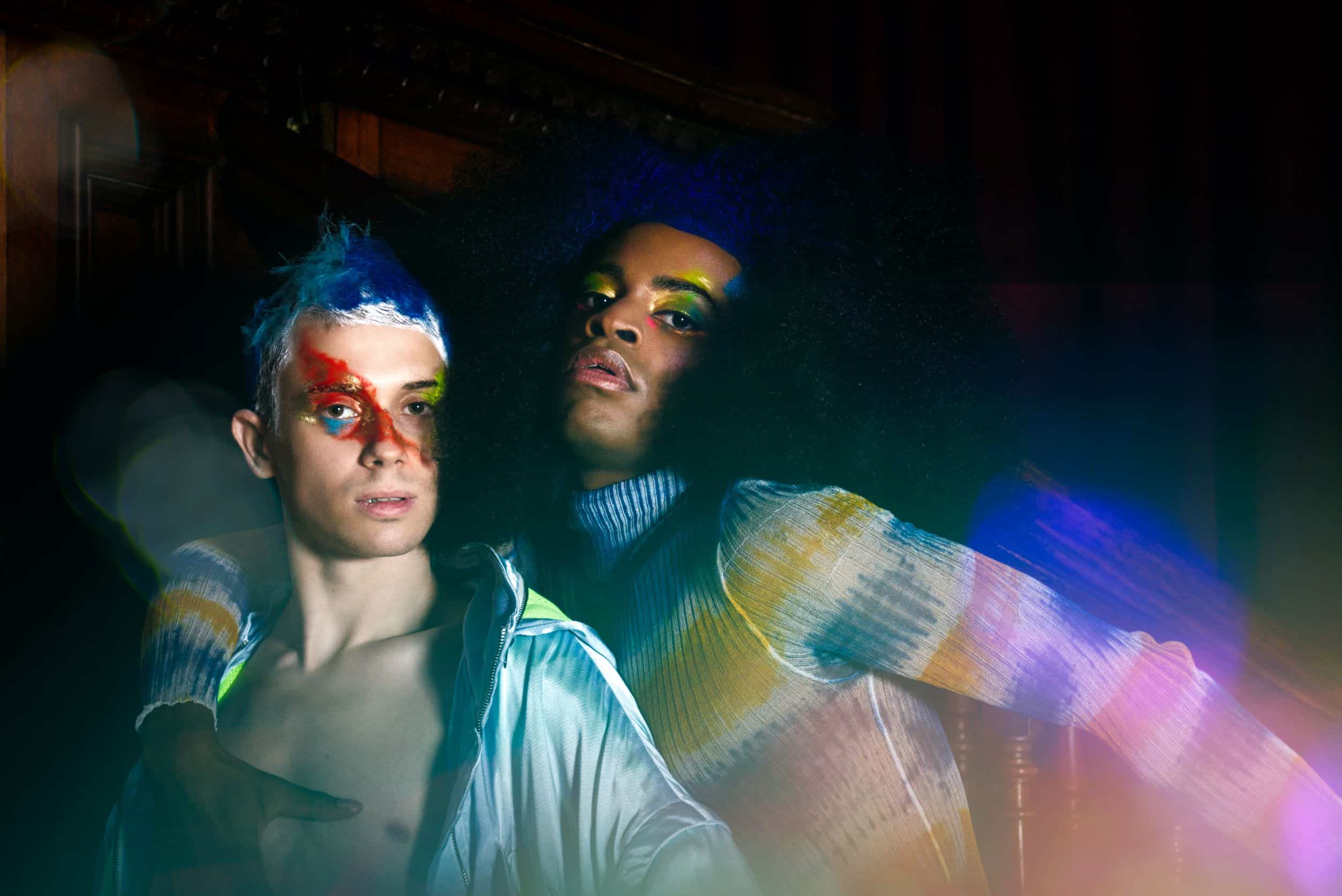
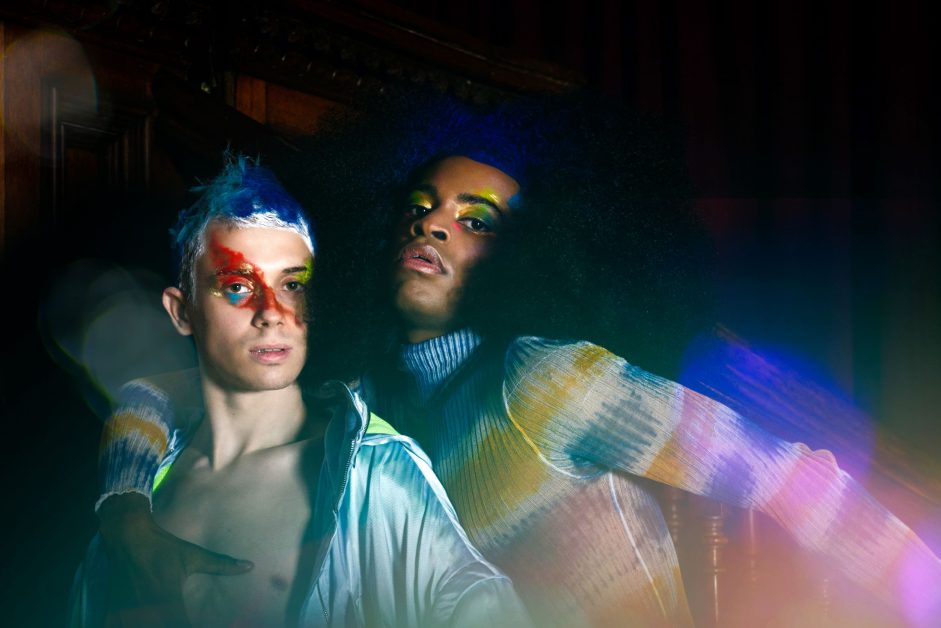
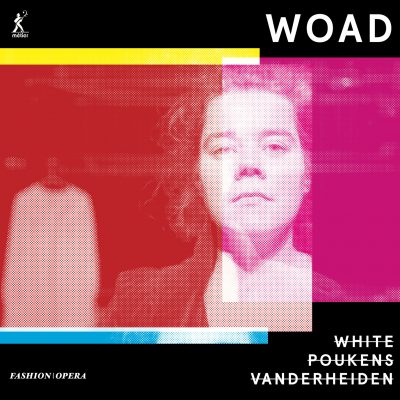
Following the acclaimed release of Alastair White’s ‘fashion-operas’ ROBE and WOAD, the Divine Art team is delighted to announce the forthcoming release of RUNE, in collaboration with UU Studios and designer house Ka Wa Key. RUNE is the third in the series of recordings (and actually the fourth of White’s operas including WEAR, still to be recorded).
Due out in Summer 2022, the album is a live recording of RUNE’s world premiere at the Hackney Round Chapel earlier this year, which critics called “perfect” (Vogue Italia), “blockbuster…explosive” (Opera Magazine), “spectacular in every sense of the word” (Caroline Potter) and “unquestionably my highlight…a melding of physical and metaphysical, of quantum mechanics and spatial manifestation” (Mark Berry, Boulezian, Seen and Heard International).
RUNE is a vast cosmological fantasy created in collaboration with the London fashion house Ka Wa Key, featuring an ensemble of three grand pianos conducted by Ben Smith. Smith performs alongside other star pianists Joseph Havlat and Siwan Rhys, as well as the “especially impressive” (The Guardian) Patricia Auchterlonie and the “fierce, fearless and cerebral” (The Guardian) Simone Ibbet-Brown. It is recorded and produced by Chris Tanton.
On a planet where history is forbidden, a young girl dares to tell her story. A voyage across galaxies and millennia, hers is a tale of the archipelagos of Khye-rell and their matterwork, through transdimensional canals and sealanes to the RUNE of the universe’s origin. This song, her story — through the very act of being told — will have consequences beyond imagining…
Fashion-Opera is a new discipline proposed by White in a cycle of four works — WEAR, ROBE, WOAD and RUNE — as the methodological realisation of his theory of ‘contingency dialectics.’ BBC Radio 3 has hailed it as “a whole exciting new genre of art”, with previous releases described as “excellent” (BBC Music Magazine, on ROBE) “the height of compositional magnificence” (Fanfare, on WOAD) and “spellbinding…an opera of rare imagination —and success (Boulezian, on WEAR).
Devised with the fashion curator Gemma A Williams, as well as music directors Ben Smith and Kelly Poukens, and showcasing designers such as Derek Lawlor, Michael Stewart, Renli Su and Tommy Zhong, the operas premiered as part of Tête-à-Tête: The Opera Festival and are now being released by Métier as studio albums. RUNE finishes the cycle in a grand fashion-opera spectacle that at its premiere featured the debut of an original capsule collection from Ka Wa Key, as well as contemporary dancers Ryan Appiah-Sarpong, Max Gershon, Shakeel Kimotho and Thomas Page performing with interactive sculpture by Sid the Salmon.
White explains, “RUNE is inspired by how the arbitrary sequencing of language, quantum states and interpersonal relations are fundamentally linked: through our endlessly creative ability to transform their disassociation into generous, open, infinite meanings – from the RUNE’s lifeless inertia to its tracing in voyages, songs, and love. RUNE is a hymn to the power of these meanings as bridges between people: and a call to their importance in light of the dark and difficult century that lies ahead.”
Co-Director Gemma A. Williams continues, “the opera is based on the hypothesis that, in the moments following the big bang, the universe passed through a subatomic state and that here the arbitrary fluctuations of quantum data imprinted upon it: like a rune. As the universe expanded, this printed, frozen fluctuation became the inconsistencies in the emptiness of cold space, which in turn became matter, galaxies, life, thought, language.”
The Ka Wa Key RUNE capsule collection is part of their SS22: the first capsule collection to be launched as part of an opera. Designer and co-director Jarno Leppanen says how it was “inspired by the opera’s epic intimacy and fluidity. Through this, we wanted to show the power of love beyond gender, with kaleidoscopic, marble-like patterns and iridescent shine: floaty, dreamy and bittersweet.”
Artists: Patricia Auchterlonie (soprano), Simone Ibbett-Brown (mezzo-soprano), Ben Smith, Joesph Havlat, Siwan Rhys (three-piano ensemble)
Live Production Recording
RUNE is supported by Arts Promotion Centre Finland, the Hope Scott Trust, the Marchus Trust, the Royal Musical Association, the RVW Trust, the Sarah Caple Scholarship and Tête à Tête: The Opera Festival.
We are saddened to hear of the death of Australian composer Michael Bertram recently at the age of 86. His funeral is to be held at St Peter’s Church, Eastern Hill, Melbourne, where he was a valued member of the congregation, at 2 pm on Friday, November 5 to which all are welcome.
The continuing torrent of new releases from Divine Art and its sister labels continues, after the many postponements in 2020 and early 2021 due to Covid restrictions. The label will be releasing in spring 2022 a new album of piano works entitled ‘Visions and Ventures’ – not as might be supposed avant-garde works but a programme of key works from the Baroque, Classical and early modern eras.
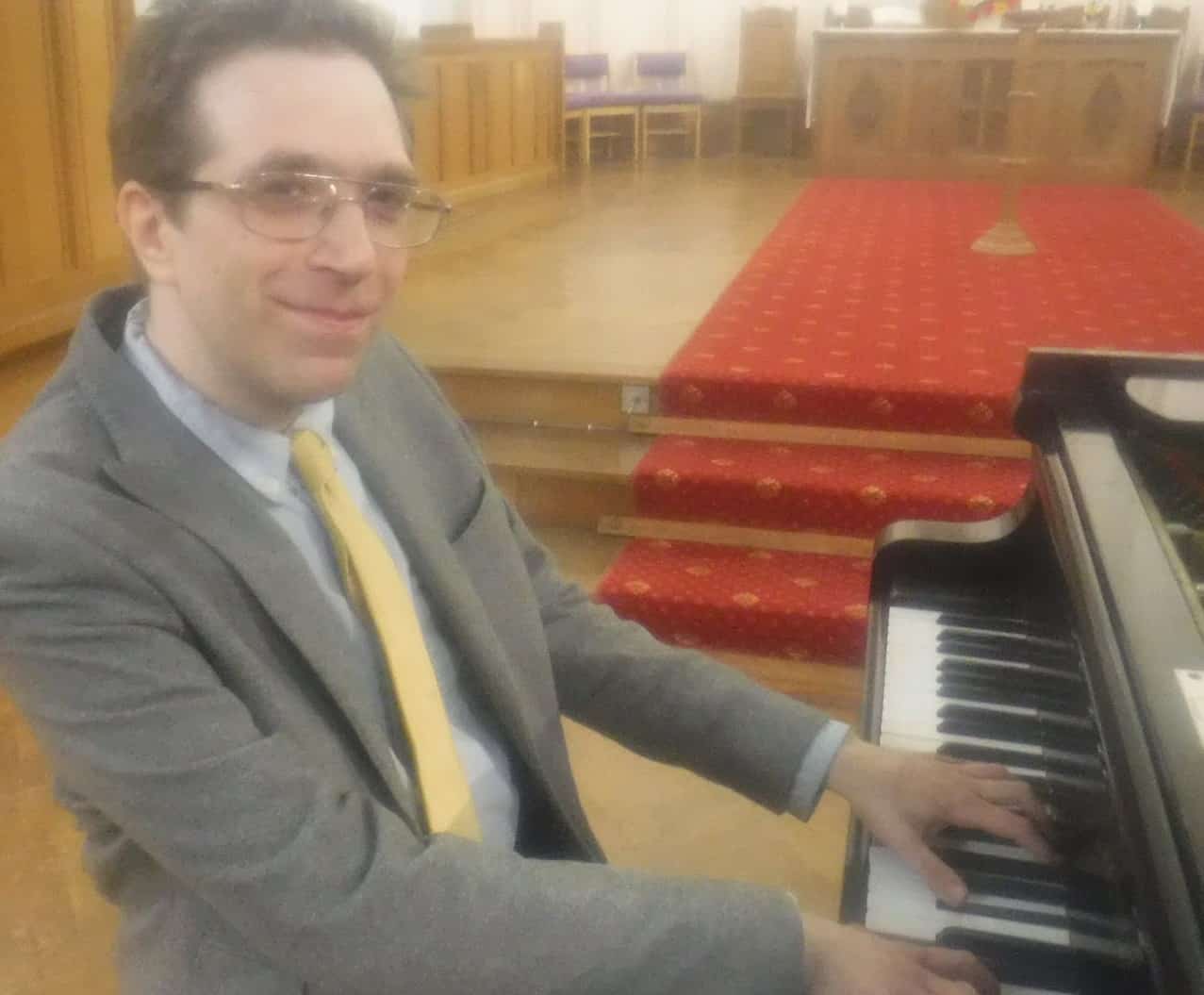
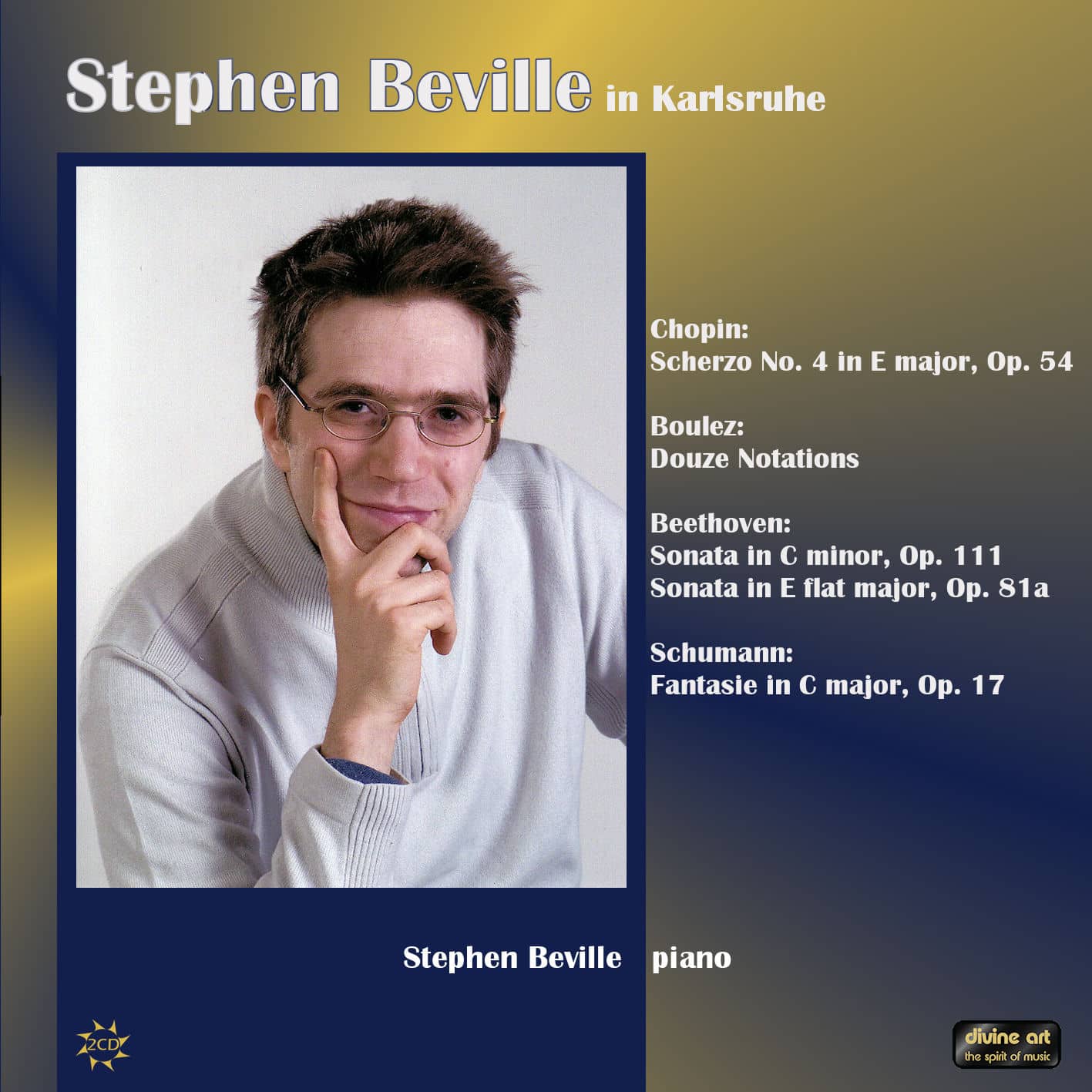
Internationally acclaimed pianist Stephen Beville performs a programme of music by three visionary composers: from the committed reverence of J.S Bach’s Prelude and Fugue in E (Book II, Well Tempered Klavier) to the subversive irreverence of Prokofiev’s Visions Fugitives, Op 22; from pre(Russian)-revolutionary escapades to the post(French)-revolutionary aspirations and fervour of Beethoven’s early Sonata in E flat, Op 7 (‘ the Grand’). In short, music of allusion, emersion and emancipation.
Stephen Beville was acclaimed in 2010 as ‘one of the most talented young musicians to emerge from the UK’ (Frankfurter Neue Press). He began to compose and study the piano at the age of eleven. As a pianist, he has performed throughout Britain and Germany, and has made recordings and given interviews for SWR (Southwest German) radio. Beville has performed at festivals including the Huddersfield Contemporary Music Festival, the ‘Glories of the Keyboard’, and ‘American Reflections’ festivals at the Royal Northern College of Music and the London New Wind Festival.
Reviews for Stephen Beville:
“Stephen Beville creates a dazzling impression every time he plays. His performances are full of thrilling showmanship delivered with impressive skill. Another rousing recital of piano wonders.” – Classical Journey
“The young artist began with Beethoven’s Sonata in E-flat, Op 7. In the first movement he clearly realised the formal structure. Unpretentious and so well learned as to be self-expressed, he gave the Largo intensive shape. His economic and meaningful use of the pedal in the following movement was good to hear and in the hearty virtuosity of the Rondo finale, there was a fine conception. Outstanding pianism….” – Badische Neueste Nachrichten
“As much as I revere the playing of Arrau, Rubenstein and Ax, I found Beville’s way with the score refreshing…. His is a career to keep one’s ears open for.” – Fanfare
Visions and Ventures
Label: Divine Art Catalogue number: DDA 25230 Artist: Stephen Beville (piano)
Works:
Prelude and Fugue in E major, BWV 878 (Johann Sebastian Bach) Piano Sonata in E flat major, Op. 7 (Ludwig van Beethoven) Visions Fugitives, Op. 22 (Sergei Prokofiev)
Métier’s series of recordings featuring the superb music of Edward Cowie continues with the release of his ’24 Preludes for Piano’ in early spring of 2022. This album was originally issued by UHR (the short-lived label of the University of Hertfordshire) in 2008. Stephen Sutton, CEO of the Divine Art group, expressed his delight: “we’ve been in discussions with the University for a few months and I am very grateful to them for the opportunity to re-release this wonderful recording. I am hopeful that it will begin a larger collaboration to unearth other very worthy recordings from the UHR archive.”
The 24 Preludes are performed by Philip Mead, whose previous recordings for Métier have been highly acclaimed and who was the dedicatee of the set. The composer, Edward Cowie, describes this recording:
“My 24 Preludes for piano were composed between 2004-5 to a commission from the wonderful pianist, Philip Mead, and to whom the set is dedicated. Each Prelude is inspired by a different land-sea-water-or skyscape in many different parts of the world where I have travelled, worked, and explored. Of course there is a connection with the great Chopin Masterpieces by the same name though, in fact, it is the Preludes of JS Bach which probably had more influence! A 20th-century composer who decided to revisit the 24 major and minor keys might be treading on dangerous ground, but it was via Bach that I realised how deliciously plastic and interconnected an open exploration of those tonal regions could be.
Music has infinite powers to invoke and stimulate a sense of place. It was at this time that I first gave myself totally to making drawing an integral and essential ‘primer’ for rhythm; musical line; speed; different degrees of complexity and perhaps above all-colour. Poets write of the oft desire to sing in the presence of natural places. I certainly wanted these pieces to ‘sing’ and perhaps to guide a listener into opening all of the senses to the unique and captivating forms that inspire and move us in the great ‘out there’. No composer could ask for a greater executant for his or her music. I count myself fortunate indeed to have this fabulous recording to remind me what a truly great interpretation can evoke and conjure.
I am profoundly grateful to the University of Hertfordshire for granting permission for Métier/Divine Art to re-release this beautiful recording which received glowing reviews:
‘Philip Mead’s consumate skill and understanding is evident in every bar’.
—International Record Review
‘Mead seems sensitive to every nuance of Cowie’s imagination, and truly appreciates the beauty contained there…..Cowie’s imagination is remarkable. This is a fascinating, cogent set of Preludes…a startlingly successful whole’.
—Tempo Magazine
Philip Mead enjoys a very successful career as pianist, composer and conductor; he has been a regular performer on BBC Radio 3 since 1979 and his recordings have been widely praised: his recording of Charles Ives piano music was called by Gramophone ‘the best Concord Sonata recording’. He is a tireless champion of contemporary composers and has a very substantial discography including for Métier music by Charles Ives, George Crumb (the complete solo piano music) and Katharine Norman. He is currently visiting professor at the University of Hertfordshire.
Edward Cowie: 24 Preludes for Piano (MSV 28625)
24 Preludes for Piano by Edward Cowie
Book 1 (Water): 1. O brook (C major) | 2. Kiama Blowhole (C minor| 3. Cancleve (G major) | 4. River Dronne (G minor) | 5. St Maxime Beach (D major) | 6. Tennessee River (D minor)
Book 2 (Air): 7. Boscastle (A major) | 8. Hay Plains Twisters (A minor) | 9. 35,000 Feet (E major)| 10. Tapada (E minor)| 11. Lake Eacham (B major) | 12. Dartington Gardens (B minor)
Book 4 (Fire): 19. Sunrise at Loch Carron (E flat major) | 20. Bush Fires (E flat minor) | 21. Home Fire (B flat major) | 22. Blast Furnaces at Port Kembla (B flat minor) | 23. New Year Fireworks in Kassel (F major) | 24. Sunset, Dartmoor (F minor)
Artist: Philip Mead
Recorded 26 and 28 November 2007, and originally released on UHR in 2008 Projected release date: March 2022
British composer Robert Saxton will feature in a new album of his works to be released by Métier, the new-music label of the Divine Art Group, in the summer of 2022.
The four works on the recording were written between 2013 and 2019. They represent a continuing journey addressing a modal/harmonic goal-orientated narrative. The earliest, Time and the Seasons, for baritone and piano, commissioned by the Oxford Lieder Festival for Roderick Williams and Andrew West, is a song cycle to Saxton’s own texts relating to the Norfolk coast where he spent much of his childhood and, as the title implies, is both cyclic and progressive. Suite for violin and piano, first performed at the 2019 Three Choirs Festival by Madeleine Mitchell and Clare Hammond, charts a voyage across its five movements leading to a tentatively positive conclusion. Fantasy Pieces, commissioned by the Fidelio Trio, while not using material of Robert Schumann, has his Op. 88 as character pieces in mind, regarding both genre and variety of manner. A Hymn to the Thames for solo oboe and chamber orchestra was commissioned by James Turnbull, the St Paul’s Sinfonia and its Music Director Andrew Morley and, during the course of its four linked movements, sets the soloist as both wanderer and river spirit in conjunction with the ‘river’ of the orchestra from source to sea.
Robert Saxton was born in London in 1953. After early guidance from Benjamin Britten and study with Elisabeth Lutyens, he studied with Robin Holloway (Cambridge), with Robert Sherlaw Johnson (Oxford, as a postgraduate) and also with Luciano Berio. He was awarded first prize at the 1975 Gaudeamus International Music Week in Holland and spent 1985-6 at Princeton, USA, as Visiting Fulbright Arts Fellow.
Recent works include the opera The Wandering Jew; a song cycle for baritone Roderick Williams Time and the Seasons for the Oxford Lieder Festival; Hortus Musicae books 1 and 2, a piano cycle for pianist Clare Hammond; The Resurrection of the Soldiers commissioned jointly by George Vass for the 2016 Presteigne Festival and the English Symphony Orchestra and Kenneth Woods; Shakespeare Scenes, commissioned by the Orchestra of the Swan and trumpeter Simon Desbruslais; his fourth string quartet for the Kreutzer Quartet; Suite for Madeleine Mitchell and Clare Hammond, A Hymn to the Thames for oboist James Turnbull and the St Paul’s Sinfonia; and Fantasy Pieces for the Fidelio Trio.
Earlier commissions include works for the BBC (TV, Proms and Radio), LSO, LPO, ECO, London Sinfonietta, Nash Ensemble, Northern Sinfonia and David Blake (conductor), Antara, Arditti and Chilingirian String Quartets, St Paul Chamber Orchestra (USA), Huddersfield Contemporary Music Festival/Opera North, Aldeburgh, Cheltenham, City of London, Three Choirs and Lichfield festivals, Stephen Darlington and the choir of Christ Church Cathedral Oxford, the choir of Merton College Oxford, Susan Milan, Susan Bradshaw and Richard Rodney Bennett, Simon Desbruslais, Clare Hammond, Edward Wickham and The Clerks’ Group, Teresa Cahill, Leon Fleisher, Tasmin Little, Steven Isserlis, Mstislav Rostropovich, John Wallace and the Raphael Wallfisch and John York duo.
Recordings have appeared on the Sony Classical, Hyperion, Metier, EMI, NMC, Divine Art, Métier, Toccata Classics and Signum labels.
Robert Saxton was Professor of Composition at Oxford University and tutorial fellow in music at Worcester College until his retirement in July 2021. He has been Composer-in-Association at the Purcell School for Young Musicians since 2013 and was appointed Hon Research Fellow (Composition) at the Royal Academy of Music in 2021. He is married to the soprano, Teresa Cahill.
Robert Saxton: Portrait (MSV 2864)
Works and Artists
A Hymn to the Thames — James Turnbull (oboe); St Paul’s Sinfonia; Andrew Morley (conductor)
Fantasy Pieces — Fidelio Trio
Suite for violin and piano — Madeleine Mitchell (violin); Clare Hammond (piano)
Time and the Seasons — Roderick Williams (baritone); Andrew West (piano)
Recording dates: 2014-2022
Release date: Summer 2022
Robert Saxton Divine Art Recordings Group Discography
British pianist Peter Seivewright is this month (October 2021) recording a significant new album for Divine Art, the label to which he has been signed since the mid-1990s.
The album is focused on the premiere recording of the 1976 Vietnam Sonata by Cornelius Cardew, and also includes recent compositions by two of Cardew’s comrades in music: Michael Chant and Hugh Shrapnel.
The recording represents a tribute to Cardew following the 85th anniversary (in 2021) of his birth and the 40th of his untimely death at the age of 45. Cardew, Chant and Shrapnel occupy a unique niche in British music. All three progressed from the British experimental music scene to being part of the movements of the working class and peoples for their rights, nationally and internationally, and writing music accordingly.
This recording was originally scheduled to be recorded last summer for release in December 2021, to coincide with those anniversaries, but had to be postponed due to a tragic bereavement; Stephen Sutton, CEO at Divine Art, is hoping now for a release to be achieved in February or March 2022.
Cardew’s Vietnam Sonata celebrates the victory of the Vietnamese people in liberating their country in 1975 from US occupation and aggression. It also refers to the support provided by the people world-wide in organising against the Vietnam War.
Chant’s Piano Sonata: Transformations is an extended work based on the conception that to be human is to make claims on society, and is inspired by the line, “transform the world with a million songs”. It was composed specially for pianist Peter Seivewright.
Shrapnel’s Climbing to Heights Hitherto Unknown is a piano version of his original solo violin work, suggesting the call to move on which inspires people to scale the heights with all the twists and turns that entails. Kevin Barry is a version for piano of the song paying tribute to the young Irish patriot hanged by the British in 1920.
Cornelius Cardew was well-known as being at the forefront of expanding the boundaries of music-making in Britain and internationally, and then taking this quality into music which was inspired by the modern enlightenment movement. Michael Chant, born 1945, has been associated with Cardew since 1968, when he took the organ part in the first performance of paragraph one of Cardew’s The Great Learning at the Cheltenham Festival. He is the secretary of the Cornelius Cardew Concerts Trust, which encourages composers to follow Cardew’s path.
Hugh Shrapnel, born 1947, studied with Cardew at the Royal Academy of Music, was active in the Progressive Cultural Association, of which Cardew was Secretary, and has retained fidelity in his life and work to the path to society’s progress. Cardew, Chant and Shrapnel have all acknowledged the leading role of Marxist-Leninist Hardial Bains in pointing cultural workers in a positive direction, towards the world of the New.
Peter Seivewright is known for his wide-ranging repertoire, and has enthusiastically dedicated himself to promoting the work of these three composers, which transcends their political associations not necessarily shared by artist or label. He has performed extensively around the world, from the USA to central Aisa, and until retirement from Academic life held senior positions at the Royal Scottish Academy of Music & Drama, the University of Trinidad and Tobago, the Afghanistan National Institute of Music in Kabul and at leading music schools in Cambodia and Thailand. His recorded output is extensive including the complete piano music of Carl Nielsen (Naxos), works by Victor Bendix (Rondo), and for Divine Art music by Louis Glass, J.S. Bach, four volumes so far of keyboard sonatas by Baldasarre Galuppi, and the first of a series of recordings of modern American piano sonatas. 2022 will see the release of Seivewrght’s recordings of Bach’s Goldberg Variations and music by Max Reger.
With a million songs (DDA 25224)
Recording date: October 2021 at The Byre Studio, Inverness, Scotland
Pianist: Peter Seivewright
Works
Vietnam Sonata (Cornelius Cardew)
Piano Sonata: Transformations (Michael Chant)
Climbing to Heights Hitherto Unknown (Hugh Shrapnel)
Divine Art Recordings Group is delighted that the distinguished English composer Bernard Hughes (b. 1974) has joined the label for an album of his complete (so far) output of works for solo piano. The composer describes the works as “an eclectic collection” which covers a period of over 25 years. The oldest piece dates back to his student years at Oxford and the most recent is a brand new suite (simply named “Suite”) in which Hughes transforms Baroque dance forms into something quirky and new. The rest of the music ranges from the large-scale Strettos and Striations to little occasional pieces written for the composer’s children. The album represents the culmination of many years of collaboration between Hughes and the pianist Matthew Mills, who commissioned and will premiere the new Suite. The recording is to be made in the spring of 2022 in Belgrade and is scheduled for release in the autumn of next year.
Bernard Hughes studied music at St. Catherine’s College, Oxford and Goldsmiths College, London. He received a Ph.D in composition from Royal Holloway College and was then appointed as Composer-in-Residence at St. Pauls’ School. Bernard’s music has been widely performed and broadcast on BBC Radio 3 and across Europe. His latest commission Birdchant was chosen to receive its premiere by the BBC Singers at the 2021 Proms; he has composed operas, choral and vocal works as well as piano music, to great acclaim. A recording of his choral music was issued on Signum Classics in 2016, and will be followed by a further choral album in 2022 on Delphian Records.
Matthew Mills is an established pianist and himself an accomplished composer and also the founder and owner of publishing company Wild Woods Music which includes Bernard Hughes amongst its roster of composers. He now lives in Montenegro.
‘Bagatelles’ (DDA 25231)*
Composer: Bernard Hughes
Artist: Matthew Mills
Works
Suite (in 7 movements) O du liebe meine liebe Bagatelles (12 movements) Beginner’s Guide to Boiling a Nourishing Egg Strettos and Striations Miniatures (12 movements) Song of the Walnut Song of the Button Three Studies Cradle Song
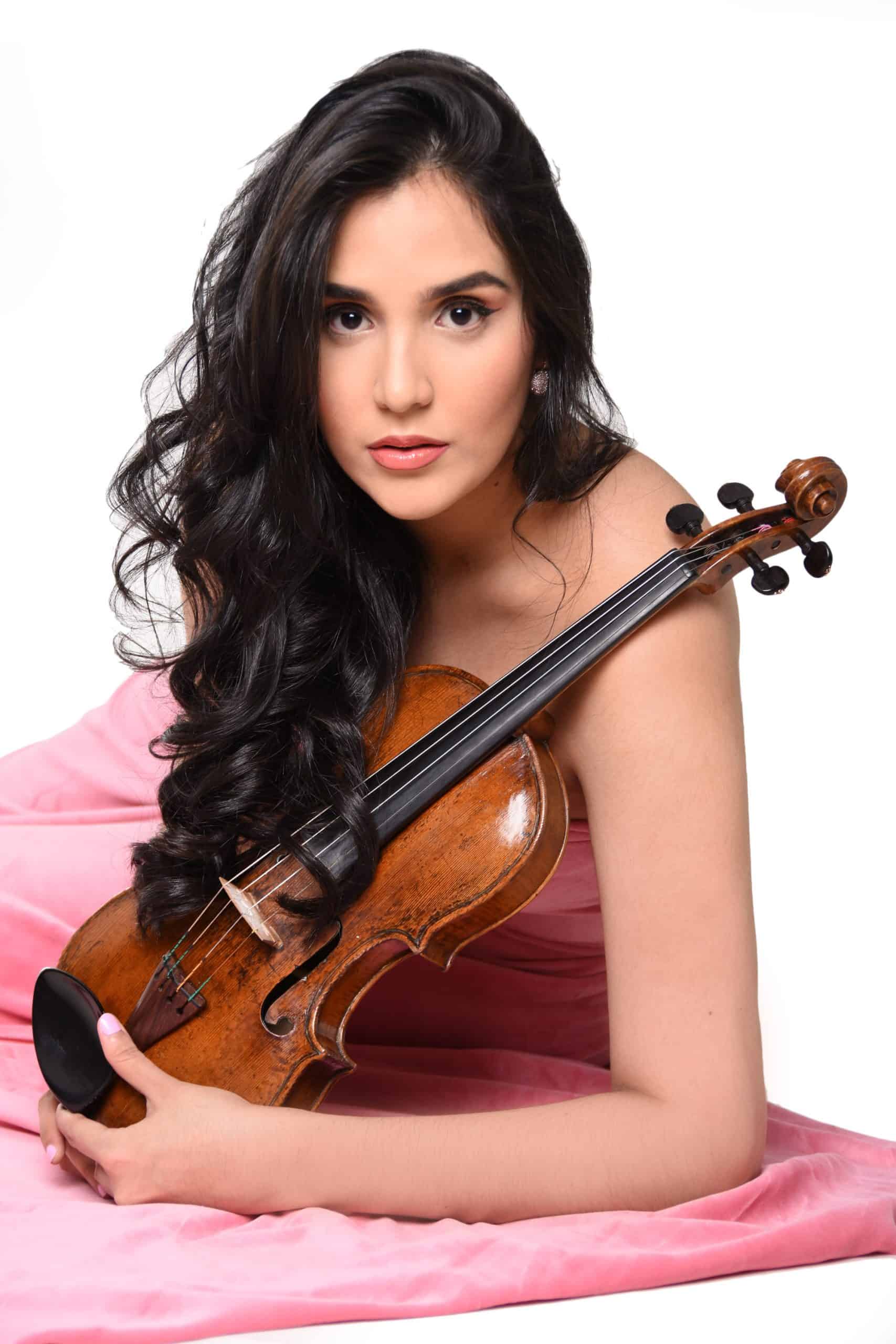
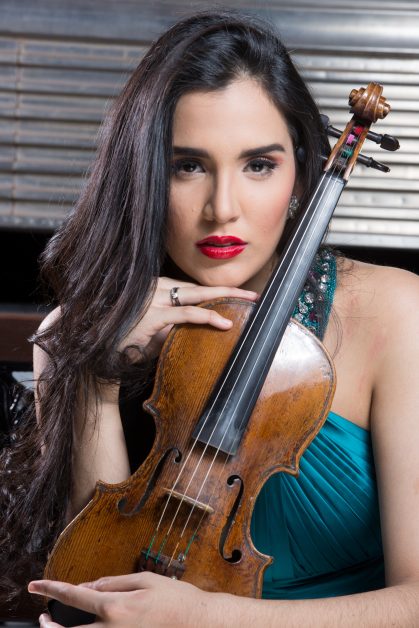
Violinist Aisha Syed Castro may well be one of the most remarkably gifted musicians to come from the Dominican Republic and the team at Divine Art are tremendously excited to have signed this young virtuoso for an album of works with American and Latin roots.
Aisha (born 1989) began to study violin at the age of four, and only two years later was a member of the Children’s Symphony Orchestra. At the age of 11, she made her debut with the National Symphony Orchestra, becoming their youngest solo performer. In 2002 she entered the Yehudi Menuhin School in London, the first Latin American to be accepted there, followed by studies at the Royal College of Music. She has performed in the UK, in Israel, Spain, Switzerland, USA (Carnegie Hall), Abu Dhabi, Lithuania, many South American countries and in her home country. She has been described as a virtuoso by the music press in the USA, Germany and Lithuania.
Aisha is the Honorary Cultural Goodwill Ambassador of the Dominican Republic and works tirelessly through charitable ventures (some of which she founded) to bring classical music to the underprivileged and socially disadvantaged, part of her work as a devout Christian to serve humanity. She won the Premio Soberano award as Best Classical Artist Abroad in 2013, 2014, 2015, 2017 and 2019. She has released four previous albums.
In her new album (title to be finalized but possibly to be called ‘Heritage’) Aisha has brought together a program of works that have special meaning for her, from Spanish/Latin/American sources, including extracts from ‘West Side Story’, works by the Dominican maestro Rafael Solano, music from black composers Samuel Coleridge-Taylor and William Grant Still, and well-known little masterpieces by Piazzolla, Granados and Albeníz. A special piece for the artist is ‘Aisha’s Dance’ from Khachaturian’s Gayaneh ballet, which she has played since she was 15. This recording was made in April 2019 in England. Aisha’s musical partner here is pianist Martin Labazevitch who also arranged the closing track, a medley of hymns dear to Aisha including a beautiful rendering of the timeless ‘Amazing Grace’.
The album will be scheduled for release in February 2022.
Heritage (DDA 25229)
Artists: Aisha Syed Castro (violin) & Martin Labazevitch (piano)
Works
Una Primavera para el Mundo (Rafael Solano) Oblivion (Astor Piazzolla) West Side Story (Bernstein): America / Somewhere / I Feel Pretty Aisha’s Dance (Khachaturian) Tango por una Cabeza (Gardel, arr. John Williams) Suite for Violin and Piano (William Grant Still) Spanish Dance (Granados, arr. Solano) Danse Orientale from Scheherezade (Rimsky-Korsakov, arr. Kreisler) Tango (Albeníz, arr. Solano) Deep River, Op. 59 No. 10 (Coleridge-Taylor) Aisha’s Prayer (arr. Labazevitch)
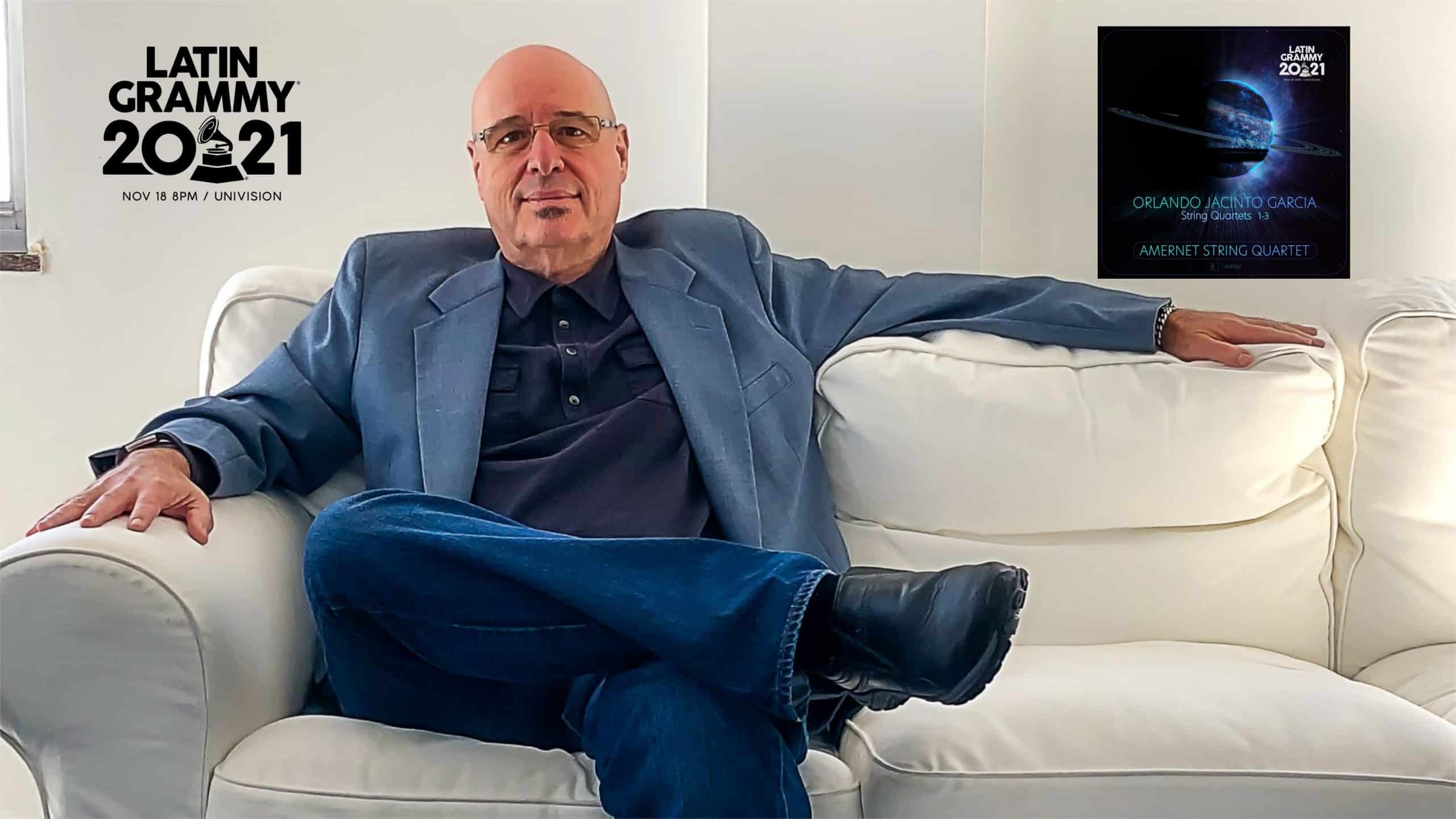
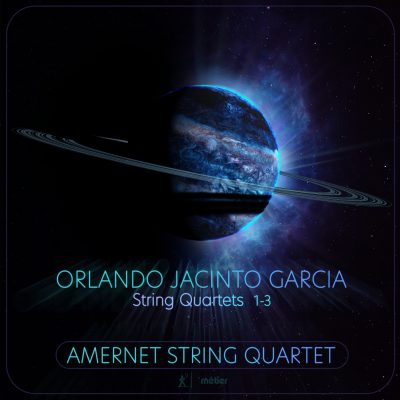
Congratulations to Orlando Jacinto García on his 2021 Latin GRAMMY® nomination for Best Classical Contemporary Composition! His nominated work is his String Quartet No. 2, “Cuatro” performed by the Amernet String Quartet on our Métier release of his String Quartets Nos. 1 – 3. See the full list of nominees here, and make sure to tune in on November 18, 2021 at 8pm EST on Univision for the awards ceremony.
The music of the Cuban-American composer Orlando Jacinto Garcia inhabits a sonic universe of its very own, one where the musical landscape is constructed in order to evoke a thorough suspension of time. The three works on the present release correspond almost precisely to the past three decades of Garcia’s career and thus present for the interpreter and listener alike a kind of survey of his development. Garcia’s mentor and teacher was Morton Feldman and the aesthetic of Feldman and his inspiration are preoccupations which color several of Garcia’s compositions.
Garcia writes music that aims to suspend time. His syntax has a personal originality that sets it apart from other composers. A special thing, serious and expressive, thoughtful; sincere, intimate and a musical world unto itself. The Amernet String Quartet perform all three quartets with care, precision, and understanding. Recommended.”
—Grego Edwards, Gapplegate Classical-Modern Music Review
Divine Art has announced the signing of the exceptionally talented Russian cellist Marina Tarasova for a recording of the Suites for Solo Cello by J.S. Bach.
Marina Tarasova is an acclaimed Russian cellist, the winner of international competitions in Prague, Florence, and Paris, she was awarded the laureate of the Tchaikovsky competition in Moscow, and is an Honored Artist of the Russian Federation. Marina Tarasova’s wide repertoire covers works of composers from the 17th century to the 20th. She has worked with many famous musicians, such as Mikhail Pletnev, Mariss Jansons, Gennady Rozhdestvensky, Kurt Masur, Edward Grach and Yuri Bashmet among others. She has recorded much Russian repertoire for Northern Flowers, and has joined Divine Art to explore non-Russian repertoire more actively.
The cellist believes that Johann Sebastian Bach, universally hailed as one of the greatest composers of all time, is often interpreted in an overly academic and formal way. In fact, he was a passionate and creative man, and this is evident in his writings and in his actions. For example, his biographer Philipp Wolfrum wrote that Bach’s impetuous artistic nature probably pushed him to extremes: when Bach with divine obstinacy demanded to be released from his contract at Weimar, in order to take up a new post with Prince Leopold, it led to a harsh confrontation, as a result of which Bach was arrested at the behest of Duke Wilhelm Ernst of Weimar (for what we might now call “breach of the peace”) and was obliged to spend four weeks in prison.
Marina Tarasova’s interpretation of Johann Sebastian Bach’s Suites for Solo Cello, emphasizes the living dynamic reality of the composer’s work, not formalized studies but music full of vitality and spirit. Stephen Sutton, CEO of the Divine Art group, expressed his delight at securing this project. “We look forward very much to the completion of Marina’s new recording. She has an inspirational approach to Bach and can bring his music to life for new young generations of music lovers as well as those of us who (a little older) often had to suffer quite dull and academic readings which hid the real magic of Bach’s genius.”
The recording is taking place currently in Moscow with esteemed Tonmeister Alexander Volkov (who has produced previous albums for Divine Art) and will be scheduled for release in the spring of 2022, though the exact date has not been fixed.
J.S. Bach – The Suites for Cello Solo (DDA 21238)
Composer: Johann Sebastian Bach Performer: Marina Tarasova
Works
Suite No. 1 in G major, BWV1007 Suite No. 2 in D minor, BWV 1008 Suite No. 3 in C major, BWV 1009 Suite No. 4 in E flat major, BWV 1010 Suite No. 5 in C minor, BWV 1011 Suite No. 6 in D major, BWV 1012