
London Light Music
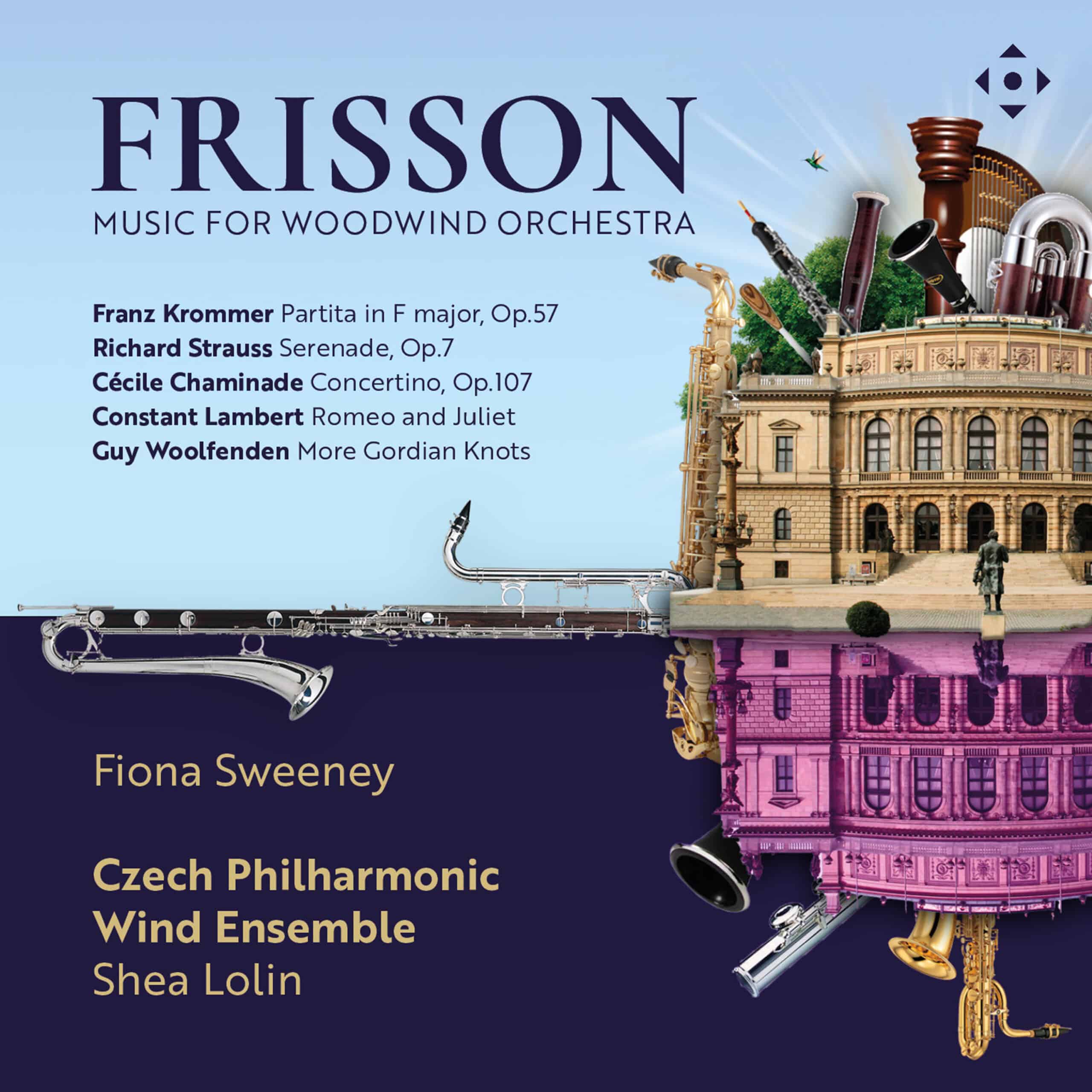
A tuneful start to the new year comes from the 19 woodwind players of Gramophone magazine’s Orchestra of the Year in 2024.
The opening and longest work is Octet -Partita in F Major, Op.57 by the Czech composer and violinist Franz Krommer (1759-1831), who was a contemporary of Beethoven and for a time in the 19th century his works for wind were more popular than those of the great man. It is followed by Richard Strauss’ (1864-1949) Serenade Op.7, written at the age of seventeen, eleven years after his first composition!
Nearly quite forgotten nowadays, Cécile Chaminade (1857-1944) composed more than 400 pieces and had a definite gift for melody. She is represented here by her best remembered Concertino, Op.107 beautifully played by Fiona Sweeney, a highly accomplished Glasgow-born flautist.
Someone possibly better known to readers is Constant Lambert (1905-1951) who wrote the symphonic jazz choral work The Rio Grande and was instrumental in the birth of British ballet. We have here the 14’46” of five tracks: the first tableaux for the ballet of Romeo and Juliet (originally called Adam and Eve), which only lasted for around half-an-hour but came to the attention – the first English composer to do so – of the legendary impresario Sergei Diaghilev.
The final work is More Gordian Knots by Guy Woolfenden OBE (1937-2016), a distinguished British composer and conductor who was Head of Music to the Royal Shakespeare Company for 37 years. Originally written for clarinet choir, with the inspiration coming from the composer Henry Purcell, it is the retitled woodwind orchestra version heard here.
This is the only work not arranged by the Ensemble’s British conductor, Shea Lolin, who is widely regarded as a woodwind orchestra visionary. He is also responsible for the album cover artwork, design and booklet notes with several colour photos – the best package I have seen for some time. Interestingly for me, Lolin is a graduate of the Colchester Institute in the town (now city) where I was born.
A rewarding recording, especially the Krommer, and well done to the label for setting such a high standard both of performance and presentation.

@divineartrecordingsgroup


