







Purchase
Isabelle O’Connell – Meet the Artist Interview
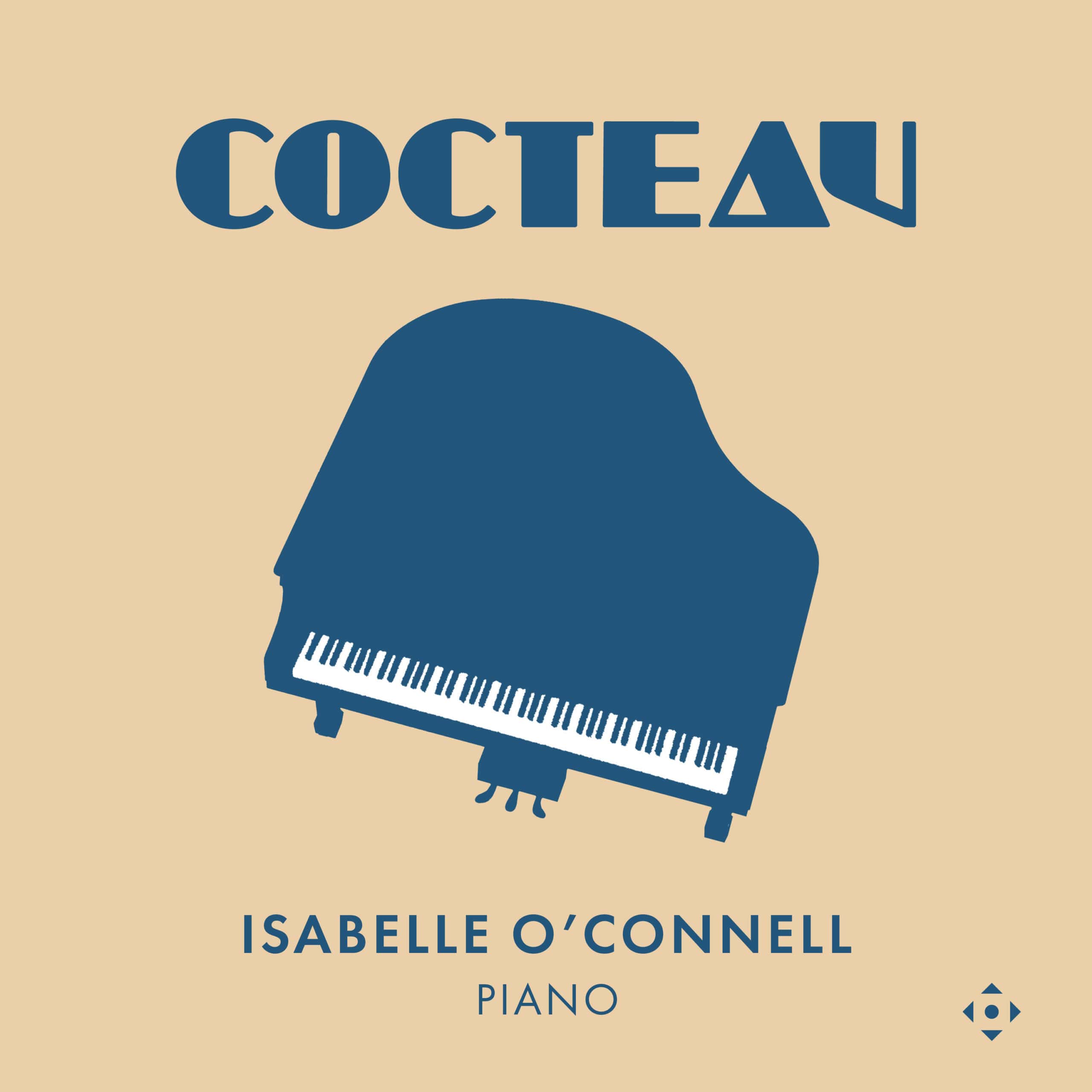
In March 2026, Divine Art Records presents Cocteau from pianist Isabelle O’Connell exploring the musical connections and artistic spirit of the multi-talented and influential French artist, filmmaker, novelist, and poet Jean Cocteau (1889–1963). Throughout his life, Cocteau worked with the legendary Ballets Russes, was involved with major art movements like Cubism and Surrealism, and was one of the most important avant-garde directors in cinema.
Isabelle O’Connell’s Cocteau is anchored by Irish composer Rhona Clarke’s brand-new work ‘Cocteau’ written especially for O’Connell, and heard after the listener moves through Cocteau’s contemporaries and collaborators in Paris a century ago: Erik Satie, Igor Stravinsky, and members of ‘Le Groupe des Six’ for whom Cocteau was a figurehead (Georges Auric, Louis Durey, Arthur Honegger, Darius Milhaud, Francis Poulenc, Germaine Tailleferre).
The initial spark for this revealing new album came from conversations between Isabelle O’Connell and Rhona Clarke during the COVID pandemic. Rhona had developed a fascination with the work of “this complete artist” and ‘Cocteau’ is a set of six short pieces inspired by his drawings, paying tribute to his “overall aesthetic and personality, his quirkiness, modernism, sense of freedom, his mix of the sublime and the ridiculous”.
The works by Satie include his Trois Gnossiennes and Trois Gymnopédies (available as digital-only tracks), epitomising qualities that Cocteau so admired – clarity, refinement, with minimal and spare textures. We also hear the Ragtime Parade from the surrealist ballet Parade conceived by Cocteau for The Ballets Russes, and Rêverie de l’enfance de Pantagruelfrom his orchestrated work Trois petites pièces montées, originally composed for a concert Cocteau organised.
The album also includes Stravinsky’s Ragtime and Les Cinq Doigts, Darius Milhaud’s Le Boeuf sur le Toit from Cocteau’s ballet, and three works by Germaine Tailleferre, the only female in ‘Le Groupe des Six’. Though the composers of the group had differing styles, their music followed Cocteau’s artistic principles, sometimes with elements of American jazz and café music, often with a hint of humour or parody. L’Album des Six was the only work on which all six collaborated.
Since her Carnegie Hall debut recital in 2002, Franco-Irish pianist Isabelle O’Connell has developed an international career as a soloist and chamber musician. She is co-founder of Grand Band, a piano sextet described by the New York Times as: “six of the finest, busiest pianists active in New York’s contemporary-classical scene”. She has worked with composers John Adams, Meredith Monk, Donnacha Dennehy, Georg Friedrich Haas, Missy Mazzoli, Joan Tower, Kevin Volans and Julia Wolfe. A Fulbright scholar, Isabelle currently serves on the piano faculty as Artist-in-Residence at Bard College and Conservatory of Music, New York.
- Rag-Time Parade (2:22)
- Pas trop vite (1:19)
- Hommage à Debussy (1:35)
- Très vite (2:23)
- Ragtime, K030 (5:18)
Gnossiennes
- No. 1, Lent (4:28)
- No. 2, Avec étonnement (2:35)
- No. 3, Lent (3:22)
Les cinq doigts, K037
- I. Andantino (0:43)
- II. Allegro (0:59)
- III. Allegretto (0:49)
- IV. Larghetto (1:24)
- V. Moderato (0:42)
- VI. Lento (0:54)
- VII. Vivo (0:29)
- VIII. Pesante (1:02)
Le boeuf sur le toit, Op. 58
- Le Tango des Fratellini (1:56)
3 Petites pièces montées
- I. Rêverie de l’enfance de Pantagruel (1:34)
Georges Auric
- I. Prélude (1:25)
- II. Romance sans paroles, Op. 21 (2:46)
- III. Sarabande, H. 26 (1:51)
- IV. Mazurka (1:49)
- V. Valse, FP 17 (2:00)
- VI. Pastorale (1:32)
Cocteau
- I. Antigone (4:53)
- II. Portait I (4:19)
- III. Blood of a poet (4:24)
- IV. Orpheus (4:28)
- V. Portrait II (3:47)
- VI. Oedipus (4:11)
3 Gymnopédies (Digital Only)
- No. 1, Lent et douloureux (3:43)
- No. 2, Lent et triste (2:52)
- No. 3, Lent et grave (2:40)
/
0:00
01
Rag-Time Parade (2:22)
02
Pas trop vite (1:19)
03
Hommage à Debussy (1:35)
04
Très vite (2:23)
05
Ragtime, K030 (5:18)
06
No. 1, Lent (4:28)
07
No. 2, Avec étonnement (2:35)
08
No. 3, Lent (3:22)
09
I. Andantino (0:43)
10
II. Allegro (0:59)
11
III. Allegretto (0:49)
12
IV. Larghetto (1:24)
13
V. Moderato (0:42)
14
VI. Lento (0:54)
15
VII. Vivo (0:29)
16
VIII. Pesante (1:02)
17
Le Tango des Fratellini (1:56)
18
I. Rêverie de l’enfance de Pantagruel (1:34)
19
I. Prélude (1:25)
20
II. Romance sans paroles, Op. 21 (2:46)
21
III. Sarabande, H. 26 (1:51)
22
IV. Mazurka (1:49)
23
V. Valse, FP 17 (2:00)
24
VI. Pastorale (1:32)
25
I. Antigone (4:53)
26
II. Portait I (4:19)
27
III. Blood of a poet (4:24)
28
IV. Orpheus (4:28)
29
V. Portrait II (3:47)
30
VI. Oedipus (4:11)
31
No. 1, Lent et douloureux (3:43)
32
No. 2, Lent et triste (2:52)
33
No. 3, Lent et grave (2:40)