
Congleton Chronicle
It’s a game of two halves, they say—and this collection fits the cliché.
Some pieces you could play on repeat; others need a bit of a run-up. It’s not inaccessibly difficult, but it’s certainly not “The Four Seasons” either.
The album opens with “Arabesque et Variations”, a solo cello work based on the Egyptian song “Ya Chadi el Alhhan”. It begins playfully, almost like a dance—the kind of tune that might charm a snake in “Indiana Jones”—but gradually veers off-piste. The initial melody becomes the subject of slower, more introspective variations that range from blue to red runs.
“Missa Cum Jubilo” for solo cello draws on Gregorian chant. You can hear the influence, though stripped of voices and liturgical mood. It’s atmospheric, but you have to lean in a little to feel it.
The album closes with “Levantine Variations” for cello and piano, based on “Bint El Shalabiya” (“pretty girl”—yes, “bint” just means girl, presumably brought home with the troops in WWII), a popular song from the Greater Syrian region. The addition of piano and a livelier tempo make this one more immediately listenable.
Somewhere in the middle is “Montmartre” for solo cello, which is the standout for me—sad, expressive, and telling the tale of St Denis, the first bishop of Paris, who was beheaded there in the 3rd century along with two companions. (And also inspired Blondie, I lie.) Lumaret is an expressive player, and much of the music is emotive. If you’re after something autumnal—music for kicking leaves about—it’s atmospheric. Just be prepared to work a little.
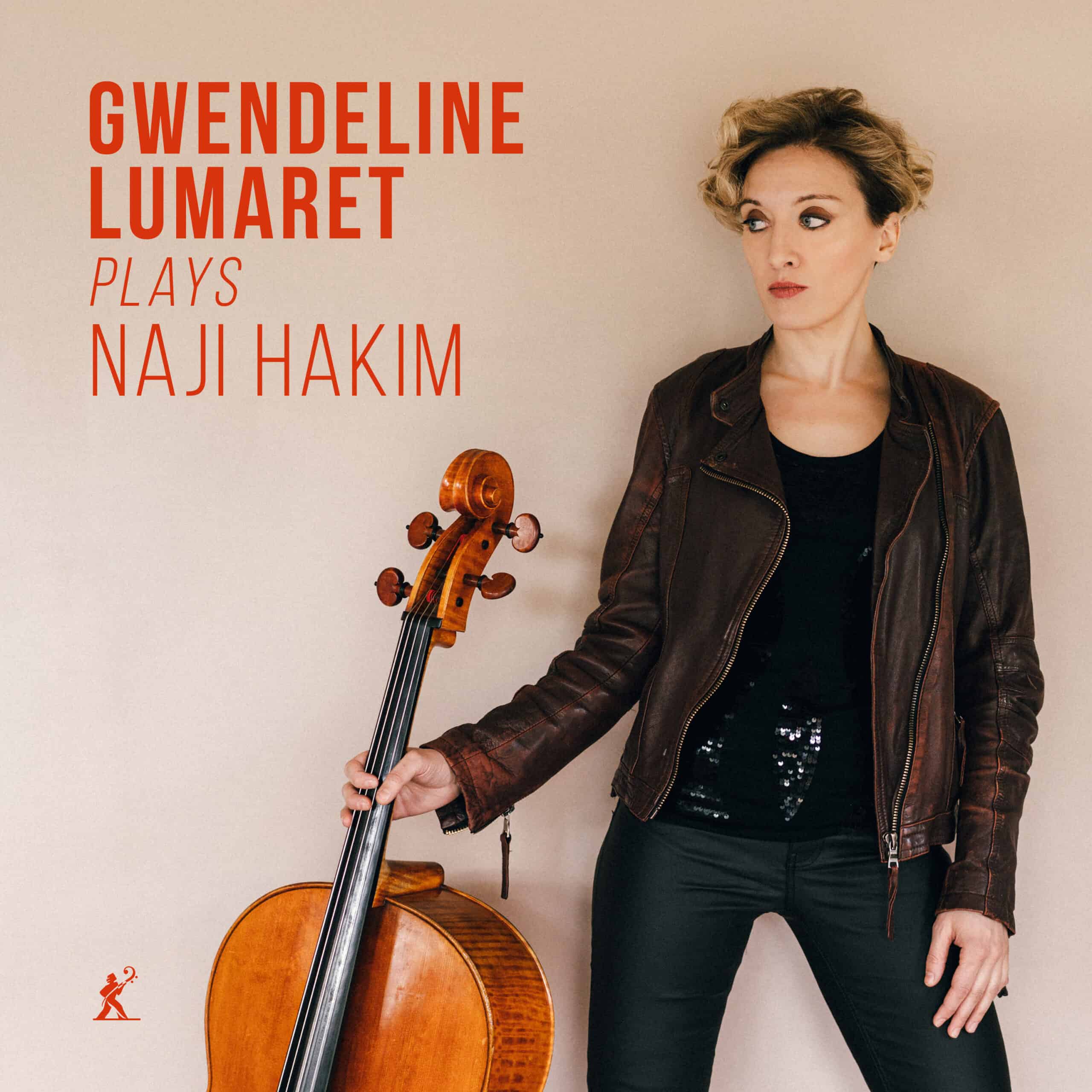
The more I listen, the more the sleeve photo seems to echo the sound. Lumaret is styled like a chic rock chick—suggesting cool music you could blast in a café—but she’s also looking slightly uncomfortable and out of frame, hinting that something deeper is afoot. And indeed, it is.

@divineartrecordingsgroup


