
MusicWeb International
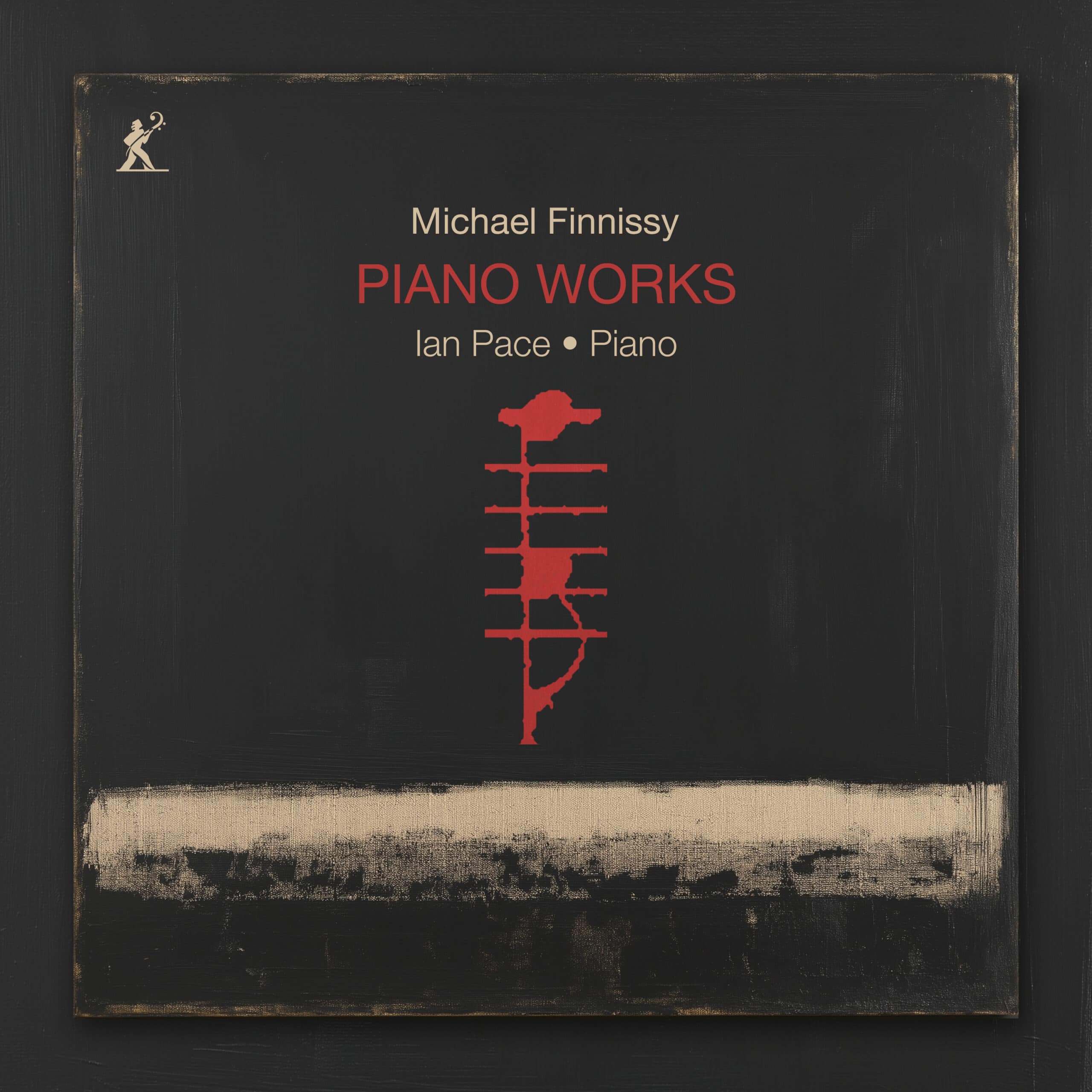
This is one of those releases where performer and label have spared no effort to do justice to a composer. The composer in question is Michael Finnissy, and on the four beautifully packaged CDs that make up this set, the pianist Ian Pace takes us on an absorbing journey. Dominating the landscape are the four books of Verdi Transcriptions, which Finnissy started writing in the early 1970s. Book 1 and a small number of other transcriptions were completed initially, with the composer not returning to the project until many years later, in 2004. When he did, he effected a massive expansion of the earlier work, which is now presented on these discs: all of Verdi’s twenty-eight operas are represented in chronological sequence (some with more than one aria), as well as the String Quartet and the Requiem. It’s a cycle which reflects extraordinary ambition and vision, and in Ian Pace’s meticulous performances, one which provides a fascinating and immersive experience for the listener.
I should probably mention at this stage that readers familiar with Liszt’s Verdi transcriptions or others made in the 19th and early 20thcenturies will be in for a very different aural experience here. Whilst it’s true that as the cycle progresses its tonal characteristics become more obvious, I’d say that for most of the time, someone listening without prior knowledge might be unlikely to be able to identify the Verdian source. This isn’t meant as a criticism. What greets the ear is never less than striking, even when the music is at its most abstract. But for the musically curious, digging deeper is rewarding. There are two aspects to this. First and most obvious is understanding the relationship of the original aria to individual transcriptions. Thanks to Ian Pace’s absolutely superb booklet notes, this becomes a much easier task. Each aria and transcription is clearly analysed, with musical notation for the Verdi original also provided. Second, Finnissy also explains in the notes the consistent shape he adopts for each book. For example, in piece 5, the melodic elements of the original are easier to discern, while piece 8 is a Busoni homage, and so on. I found that listening with the orientation offered in the set added layers of understanding and appreciation. However, the single most significant factor in terms of appreciation is Pace’s playing. He’s magnificent, from the challengingly abstract early transcriptions in Book 1, to the tone poem which is the extraordinary transcription from Act 5 of Don Carlo in Book 4, to the beautifully rendered, fragmented poignancy of the opening of the Requiem, which closes the cycle; nothing seems to faze him. He writes that in playing, he has tried to give ‘the atonal material a stronger profile and sense of line, as opposed to playing the tonal material with a degree of detachment.’ This may sound counterintuitive, but thanks to Pace’s profound musicianship, it works astonishingly well.
Although the Verdi Transcriptions are by far the largest composition in the set, there are also substantial and important other items. My favourites: a set of English Country-Tunes written in the Silver Jubilee year of 1977 which are the spikiest antithesis of English pastoral you could imagine, almost punk rock in its mindset; Beethoven’s Robin Adair, a simultaneous dissection and celebration of Beethoven’s folksong arrangements; the Preambule zu “Carnaval”, another dazzling set of pieces with a referential genesis, which despite heavily modernist inflections is also definitely redolent of Schumann; and more folksong arrangements, this time based on four by Brahms, where flashes of the Brahms originals tantalisingly appear amidst some determinedly ‘post-tonal’ writing. All of these again receive Pace’s care and characterisation in equal measure to excellent effect. If I’ve found the pieces I haven’t mentioned to be slightly less approachable, I’m sure that is just a matter of time. There’s so much to digest here, I really ought to come back in six months and give a more considered assessment. But as I hope is obvious, I’ve heard enough to say unequivocally that this release should be essential listening for anyone interested in contemporary piano writing. All credit to Metier for its provision of exemplary recorded sound and superlative presentation. Finnissy must be delighted with the results.

@divineartrecordingsgroup


