
Textura
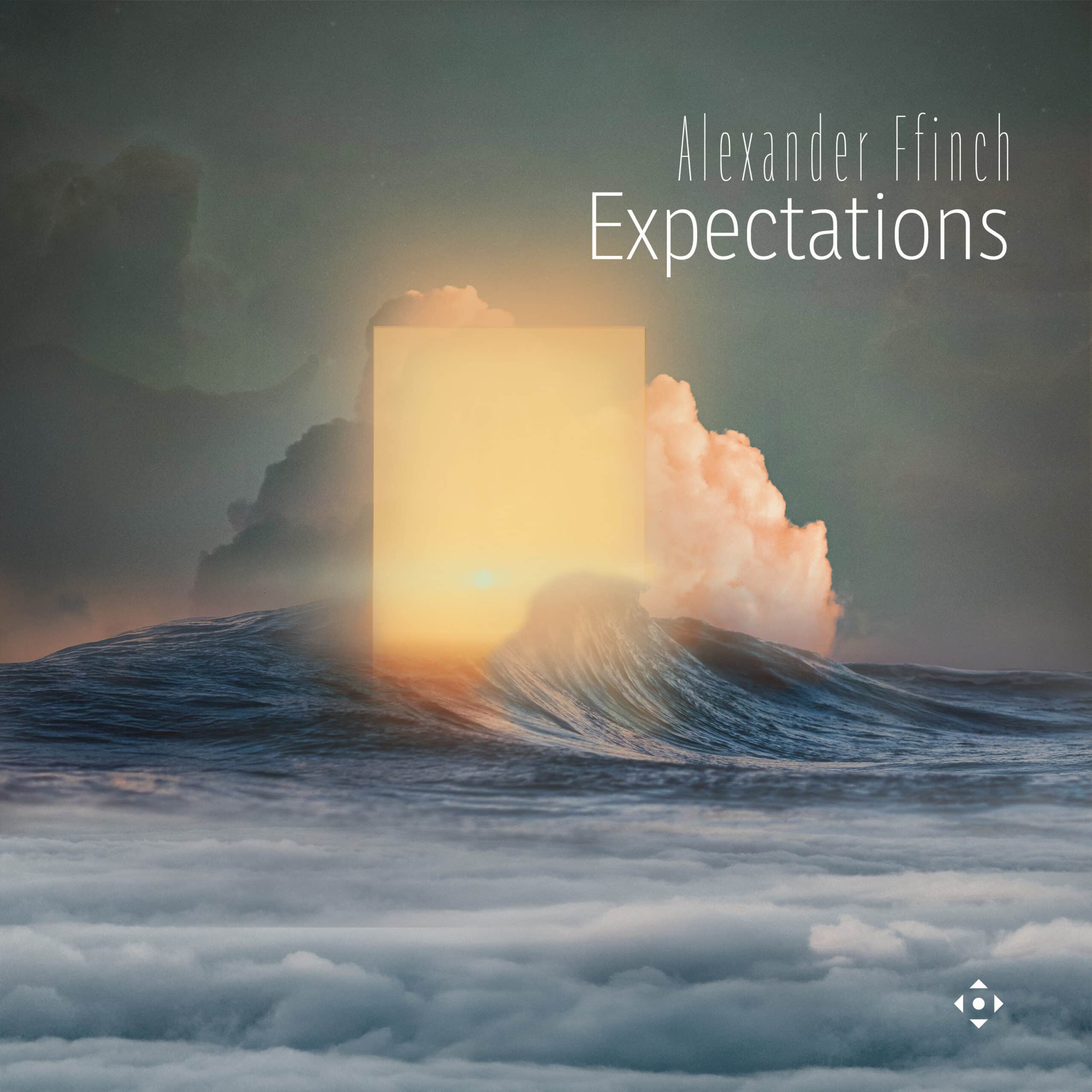
Expectations, organist Alexander Ffinch’s eclectic and smartly curated follow-up to 2024’s Parallels, couples beguiling treatments of David Bowie’s “Life on Mars?”and three selections from Tchaikovsky’s The Nutcracker with works by Camille Saint-Saëns, Gustav Holst, Marcel Dupré, Alexandre Guilmant, Fanny Mendelssohn, and others. Recorded on the magnificent organ at Cheltenham College (where Ffinch has been College Organist since 2004), the aptly titled release brings with it the feelings of hope and renewal we associate with a new year. Specifically, the set-list traces the period from Halloween to New Year with Christmas-related material a significant part of the release.
The programme is representative of Ffinch’s general approach in augmenting organ works associated with the traditional repertoire with others outside it. A concert by him might see a rock classic, film score excerpt, and/or Disney tune woven in amongst established classical pieces. While he’s responsible for a number of arrangements on the sixty-six-minute recording, a transcription by Edwin H Lemare of Saint-Saëns’s Danse Macabre (1874) opens the collection. The jaunty setting finds “Death” creepily reawakening the dead at midnight on Halloween to ecstatically dance until dawn, at which time they return to their graves until the same time next year. Evidence is immediately presented to indicate that while Expectations is a one-person affair, the panoramic range of colours and timbres the organ’s capable of generating makes for a constantly dynamic and stimulating presentation. Perpetuating the macabre mood is Guilmant’s Marche Funèbre et Chant Séraphique (1864), which evokes a sombre funeral procession in two parts, a stately, long-form, and triumphant “Marche” to begin and a shimmering, harmonious “Chant” to raise the spirits thereafter.
The mood rises further with Derek Bourgeois’ jovial Serenade (1965), its jaunt light and sunny compared to Danse Macabre, after which an enticingly new take on the Advent hymn tune “Nun Komm der Heiden Heiland” (written by Martin Luther in 1523) by organ and choral music composer William Mason appears. The ear’s instantly tickled when Ffinch moves onto the infectious melodies of “Overture Miniature,” “Danse Russe ‘Trépak’,” and “Danse des Mirlitons” from The Nutcracker(1892), the Christmas season now fully in swing. Sober by comparison is the organist’s luminous arrangement of “Air” from Holst’s Brook Green Suite (1933).
A central part of the album is Variations sur un Noël (1922) by Rouen native Dupré (1886-1971), considered by Ffinch perhaps the most significant figure in the evolution of the organ and the music written for it in the twentieth century (Dupré studied with Guilmant in 1898 before being accepted into the Paris Conservatoire four years later). Based on the traditional French Christmas carol “Noël nouvelet,” the eleven-part work dazzles with imagination and invention. After the solemn theme’s introduced, the compact (most under a minute) variations explore a multitude of styles, textures, and moods, from buoyant, lyrical, and mischievous to stately, brooding, and dignified. Interestingly, the longest movement is its final one, the florid toccata “Fugato” explosive in its animated declamations.
Ffinch’s arrangement of the dramatic, chorale-inspired “Epilogue” (1841) from Fanny Mendelssohn’s Das Jahr is a fitting inclusion, given its depiction of the stroke of midnight on New Year’s Eve. With an organ treatment of Coldplay’s “Paradise” having appeared on Parallels, the presence of Bowie’s song doesn’t register as a total surprise, and “Life on Mars?” is so melodically rich that it sustains the transition to Ffinch’s organ arrangement magnificently. He hews closely to Bowie’s Hunky Doryoriginal, yet also ensures the version establishes its own stirring identity. Closing out the album are two settings by Marcel Lanquetuit, who was professor of organ and improvisation at the Music Conservatoire of Rouen. The charming “Intermezzo” (1923) is welcome for making its first appearance on disc in forty-four years, whereas the fiery “Toccata” (1927) anticipates its centenary by its inclusion in the set-list.
In replicating to some degree the programming concept of Parallels, Expectations suggests Ffinch has settled into a format that satisfies him artistically and satisfies listeners too. It’ll therefore be fascinating to see what mix of traditional and non-traditional material he chooses for what will be his fourth solo release. For now, the music on his third offers no shortage of rewards.

@divineartrecordingsgroup


