
W Kulturalny Sposób
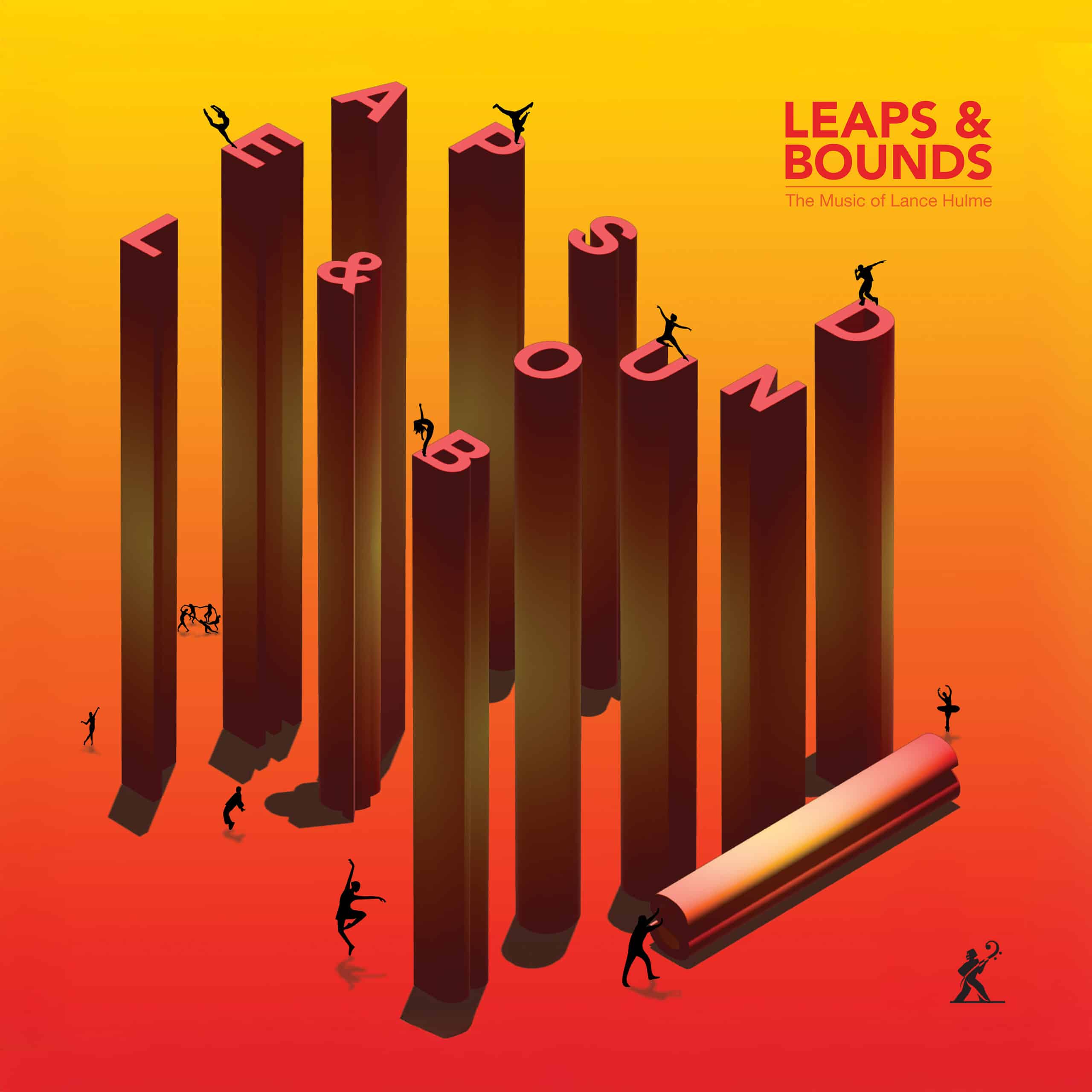
This double-disc album is a musical portrait of American composer Lance Hulme. Perhaps his most famous piece is the opening track, “Sirens’ Song.” The second part of the composition is called Dire Straits, and it was this title that first drew me to Hulme’s work. I assumed it was a reference to the famous British band. This wasn’t naive thinking, as Hulme also has a playful, guitar-and-flute track called “JethroZen” (also on this album), which—as you might guess—draws inspiration from the style of another rock giant, Jethro Tull. However, Dire Straits, as part of “Sirens’ Song,” doesn’t evoke Mark Knopfler’s band. The title should be taken literally (“A Difficult Predicament”), as it was used to allude to the song’s overall theme. Hulme’s goal was to illustrate the Odyssey, which has fascinated him for years. Formally and stylistically, it’s a fourteen-minute quasi-symphony, shimmering with brilliance and energy, with the final movement clearly referencing the work of Alban Berg.
The rest of the first disc (besides the aforementioned JethroZen) consists of a saxophone nonet that could illustrate my rollercoaster ride, a solo violin study titled An Eternal Flame, and Caritas Abundat: Setting the Diamond. The latter piece takes us into electronic territory—at times reminiscent of Vangelis. Against a computer-generated backdrop, we hear a fragment of a song by the medieval genius (not just musical), Saint Hildegard of Bingen.
The second disc opens with the title track, “Leaps & Bounds,” which, as the composer explains, is an “asymmetrical, polymetric ostinato.” The three ostinato groups ultimately merge into one at the end of the piece.
A similar expression can be found in the next track, the percussion duet “Slapdash Redux.” After that, we hear a radically different composition for voice (soprano) and piano – “Appalachian Advent.” In it, Hulme draws on folk songs he heard as a child. The album concludes with the audacious “Sax Attractor,” another duet with piano accompanying the saxophone.
As you can see, the stylistic range of the release is incredibly broad. No wonder, after all, it’s a portrait of the composer. For me, this is an advantage, but I realize that for someone else, this lack of cohesion might be a drawback. Let’s put these speculations aside, however, because the first-class performances of all the compositions are more important. I admire the publisher for finding the strength and determination to engage so many performers from diverse musical backgrounds in the project.
Therefore, all that’s left for us to do is get to know Lance Hulme, admire his creativity, and enjoy this extraordinary release.

@divineartrecordingsgroup


![🎧 Listen now to the @purcellsingers' first single from their upcoming album, #ASpotlessRose! ➡️ listn.fm/aspotlessrose [in bio]](https://scontent-dfw5-2.cdninstagram.com/v/t51.71878-15/642752592_1424641949105789_8815810652567824072_n.jpg?stp=dst-jpg_e35_tt6&_nc_cat=106&ccb=7-5&_nc_sid=18de74&efg=eyJlZmdfdGFnIjoiQ0xJUFMuYmVzdF9pbWFnZV91cmxnZW4uQzMifQ%3D%3D&_nc_ohc=aY1NGfNpOoYQ7kNvwF_h1wk&_nc_oc=Admid9E28KhYGnFIVx69eTgaeoBsVt_n-9Aj4uPmp60Xu8suhqtx9PHUL5xfekv68qf_gymD2AL368h_IRAnBxR5&_nc_zt=23&_nc_ht=scontent-dfw5-2.cdninstagram.com&edm=ANo9K5cEAAAA&_nc_gid=RFgp8frFTISjKCNdYvhA5g&_nc_tpa=Q5bMBQHhuApdBD62MnCIbs2b_GqBG2cK1D-HCoTW8ML9H8PNPt41RLiHLyJx8JXYqlhPqcTTJ6ZdNnBrtw&oh=00_AfzBJFujPgi2H9_rW_YLJxeGk6osbhwtJIDGDbnWAJHOFw&oe=69B13F41)


