
BBC Music Magazine
It has taken some time for Nikolai Kapustin’s very distinctive musical voice to achieve the level of popularity it richly deserves. Way back in 2000, when Steven Osborne released his pioneering recording of two Piano Sonatas and the Op. 53 Jazz Preludes for Hyperion, to be followed four years later by an equally dazzling recital on the same label from Marc-André Hamelin, only a limited number of people outside Russia were even aware of his achievement. Indeed, many encountering this music for the first time remained sceptical, believing there was a fundamental incompatibility between Kapustin’s assimilation of various jazz idioms and the Russian virtuoso piano tradition. To be fair, Kapustin never claimed to be a jazz composer. But in the sophisticated nature of his melodies, rhythms and harmonies, the music gives the impression of sounding spontaneous and improvisatory, even though everything is fully notated.
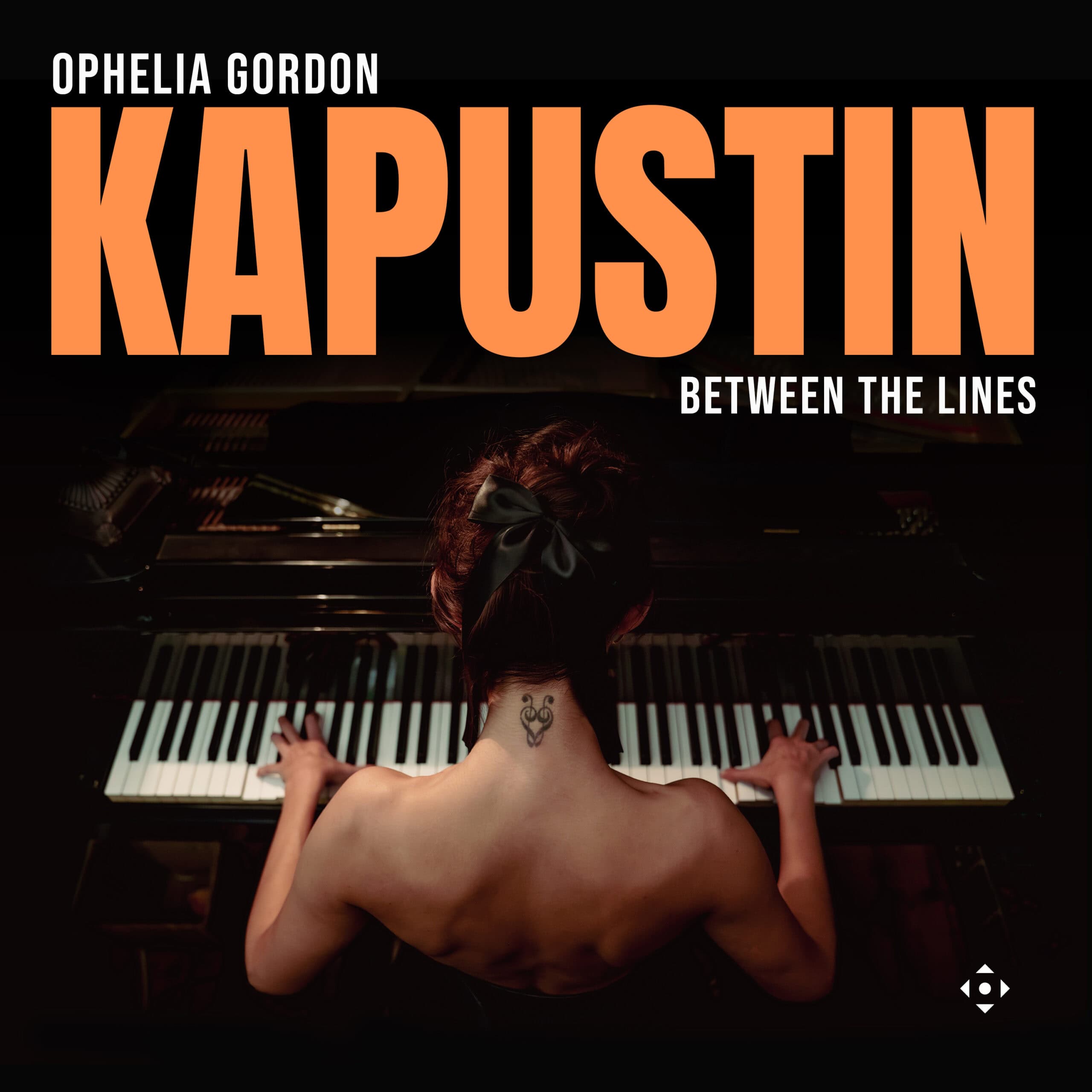
Notwithstanding the huge technical difficulties of Kapustin’s piano writing, achieving freshness and above all exuberance remains a challenge even for the most seasoned performers. In this respect, British pianist Ophelia Gordon, who is the latest convert to Kapustin’s cause, has a decided advantage in bringing a much more joyously jazz-like feel to the music. She really knows how to make Kapustin’s melodic lines and rhythms swing, but is equally sensitive to the reflective sultry sides of his musical expression. Admittedly, Hamelin offers a more daredevil approach, delivering the faster Concert Études at breakneck speed, whereas Gordon’s measured conception occasionally sounds a little tame. Nonetheless, there is much to enjoy on this vividly recorded disc, the ultimate highlight being the exhilarating Paraphrase on Dizzy Gillespie’s ‘Manteca’ for two pianos, where Gordon has recorded both piano parts to brilliant effect.

@divineartrecordingsgroup


